
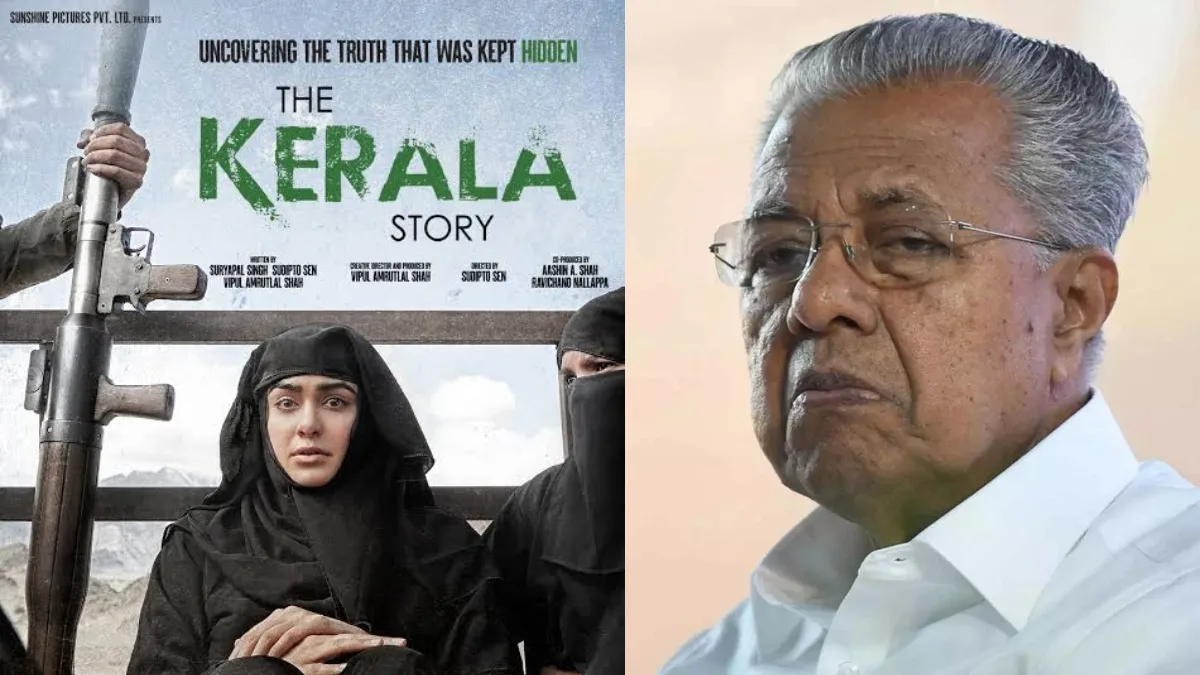
Kerala CM Pinarayi Vijayan Calls The Kerala Story 2 ‘Threat To Secularism’, Says Film Spreads False Propaganda

Kerala Chief Minister Pinarayi Vijayan has sparked fresh political and cultural debate after criticising the upcoming film The Kerala Story 2, describing it as a threat to secular values and accusing it of promoting misleading narratives. His remarks come amid growing controversy around the film’s thematic focus and alleged portrayal of religious dynamics in Kerala.
Speaking at a public event, Vijayan alleged that the film attempts to reinforce divisive narratives under the guise of entertainment. According to him, cinema that misrepresents social realities risks deepening communal divisions and undermining the state’s long-standing pluralistic ethos. The Chief Minister argued that such portrayals contribute to polarisation rather than meaningful dialogue, particularly when sensitive issues related to religion and identity are involved.
The criticism appears rooted in earlier debates surrounding the first instalment of The Kerala Story, which generated intense political reactions upon release. Supporters described the project as a fictionalised depiction of radicalisation, while critics maintained that it exaggerated claims and propagated unverified theories. Vijayan reiterated concerns that similar narratives, when amplified through cinema, may influence public perception in ways that are detached from documented realities.
The Chief Minister’s comments quickly drew responses from both political figures and film industry observers. Some backed his stance, arguing that cinema carries social responsibility and should avoid reinforcing stereotypes that could stigmatise communities. Others defended the filmmakers’ creative freedom, insisting that storytelling must remain protected from political scrutiny even when it explores contentious themes.
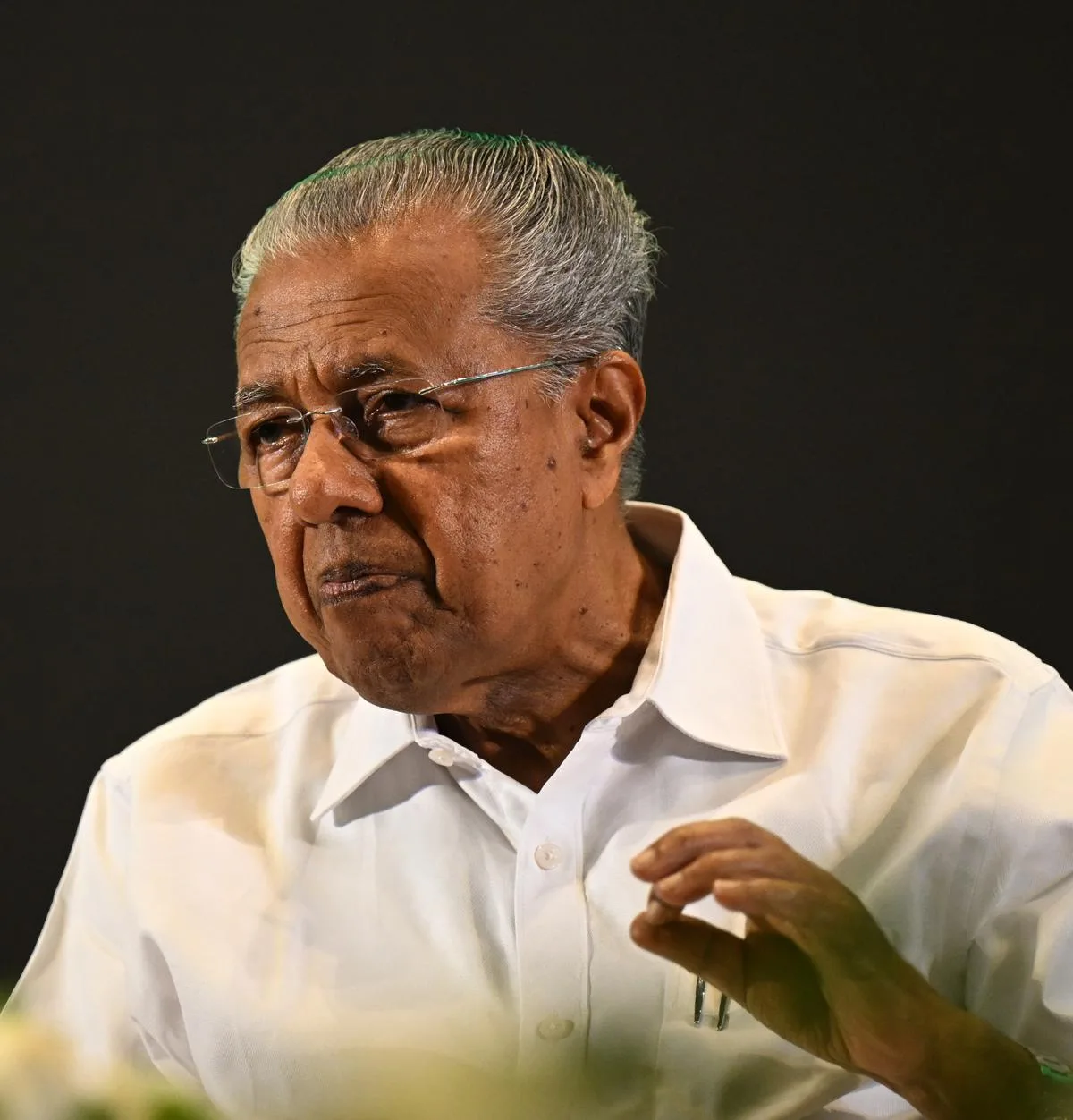
The controversy highlights the continuing intersection between cinema and politics in India, where films often become flashpoints for larger ideological debates. Kerala, in particular, has seen repeated clashes over cultural representation, especially when narratives touch upon religion or communal identity. Vijayan emphasised that artistic expression should not be curtailed, but added that filmmakers must exercise caution when portraying real-world issues that could inflame social tensions.
Meanwhile, discussions around the sequel have intensified on social media, where viewers remain divided. Supporters argue that cinema should be allowed to explore uncomfortable subjects without being dismissed as propaganda, while critics say films that claim to reflect real events must be held to higher standards of factual responsibility.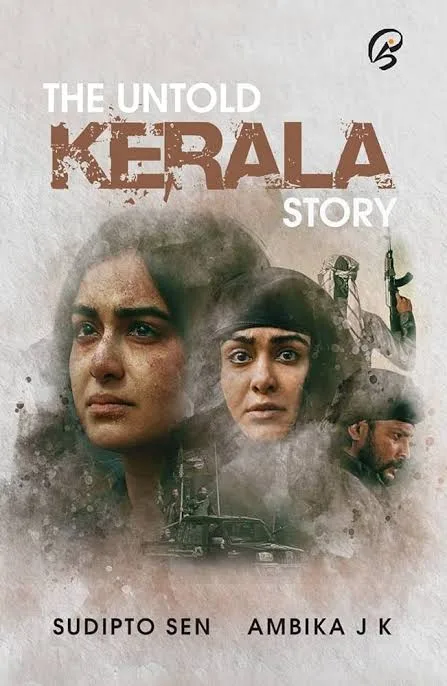
The debate also reflects broader national conversations about how films influence public discourse. In recent years, several politically charged movies have triggered protests, legal challenges and calls for censorship. The reaction to The Kerala Story 2 appears to follow a similar trajectory, with political leaders weighing in even before the film’s release.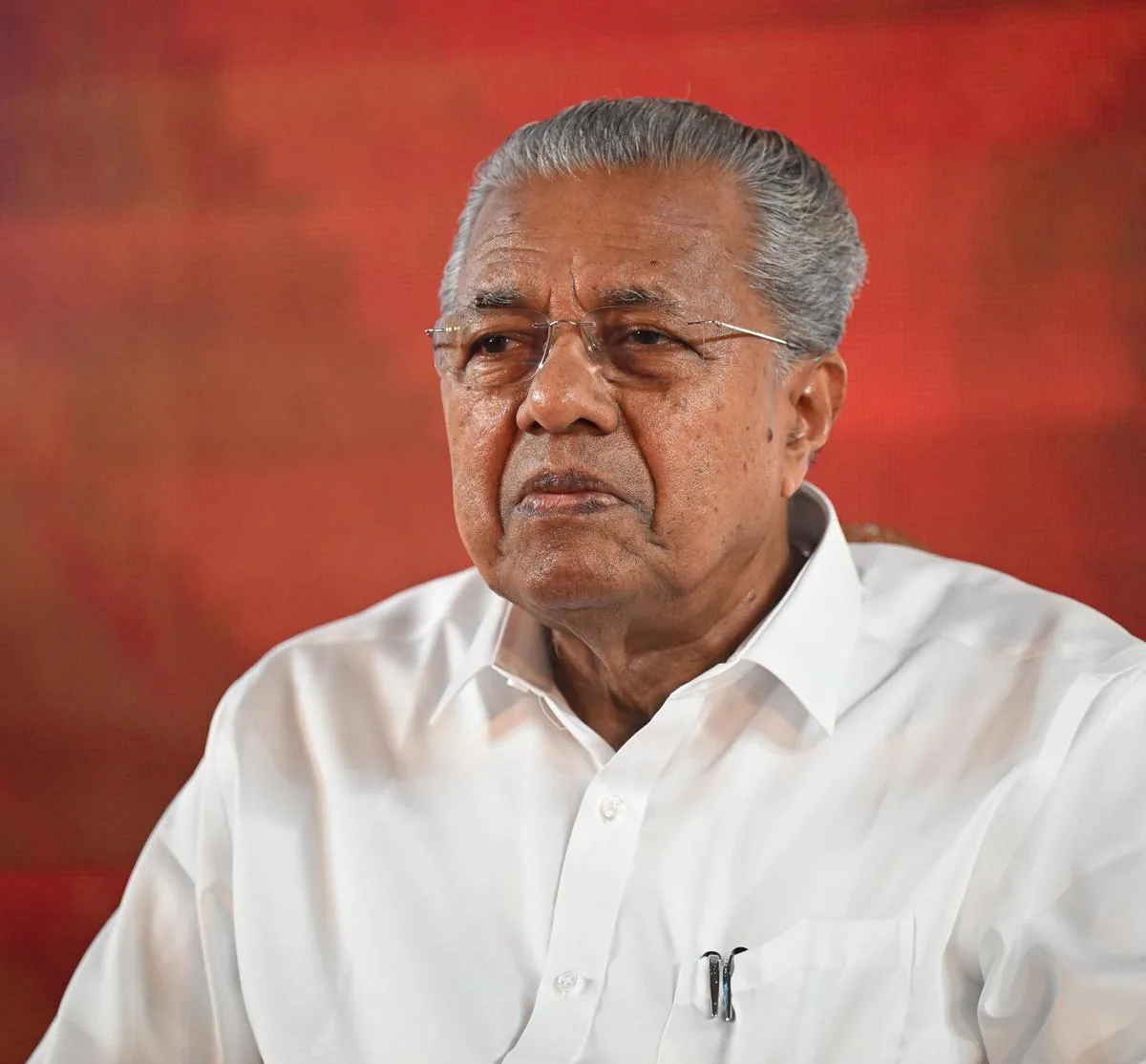
Filmmakers and producers associated with controversial projects frequently find themselves navigating both creative and political pressures. While some choose to defend their narratives as fictional storytelling, others face demands to clarify their intent or adjust promotional strategies to avoid escalation.


Comments are closed.