
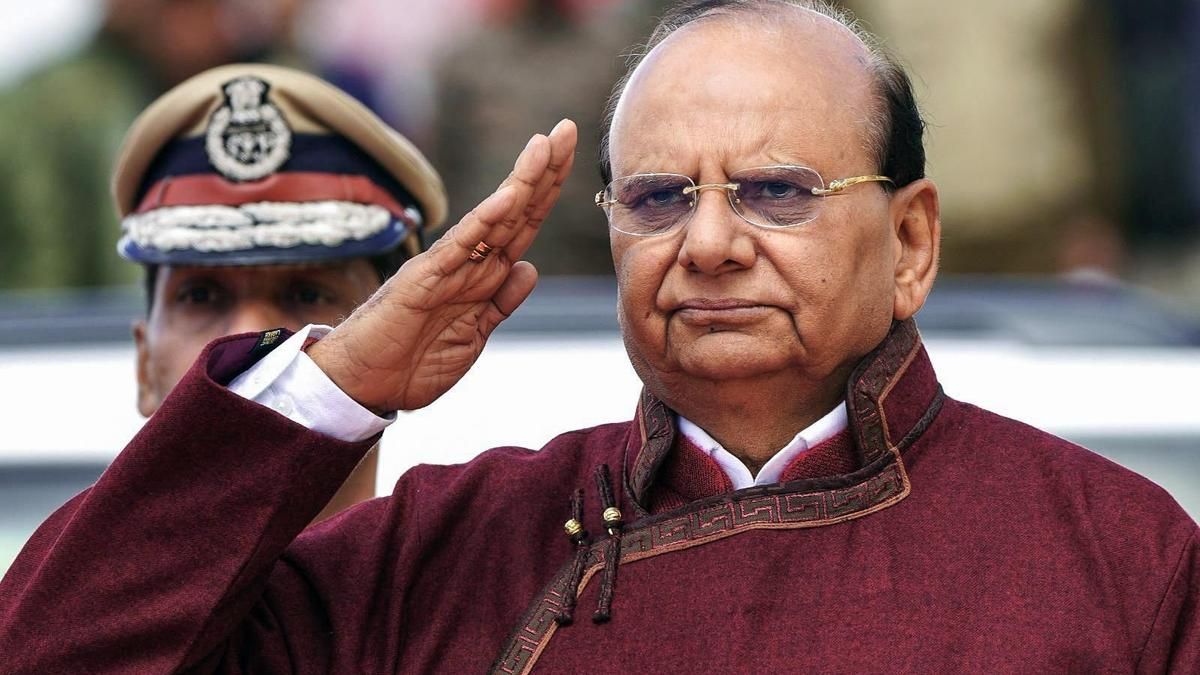

The administration of the Union Territory of Ladakh has initiated the next phase of its major administrative restructuring process after Lieutenant Governor Vinai Kumar Saxena approved the constitution of a UT-level committee to examine and recommend measures for the operationalisation of five newly created districts.
According to an official statement issued by the Lieutenant Governor’s Secretariat, the committee has been tasked with ensuring the effective and efficient functioning of the newly constituted districts of Changthang, Nubra, Sham, Zanskar and Drass, which were formally notified on April 27.
The administration stated that the committee will examine administrative, financial and logistical issues arising from the creation of the new districts and recommend measures for establishing key district-level offices and governance infrastructure.
Officials said the move marks a significant step toward strengthening grassroots governance and improving administrative accessibility in remote and strategically important regions of Ladakh.
The newly formed committee has also been entrusted with reviewing and rationalising the jurisdiction of subdivisions, tehsils, niabats, girdawar or qanungo circles and patwar halqas in accordance with the newly notified territorial boundaries.
Authorities stated that the restructuring process is intended to ensure a smooth administrative transition and establish a stronger governance framework across the new districts. The administration believes the changes will improve delivery of government services, local administration and developmental coordination in geographically challenging areas of the Union Territory.
The notification of the five new districts last month was considered one of the most significant administrative decisions in Ladakh since it became a Union Territory in 2019 after the reorganisation of the former state of Jammu and Kashmir.
Officials indicated that the committee will also assess infrastructure requirements for district headquarters, staffing patterns, office allocations and inter-departmental coordination mechanisms required for the functioning of the new administrative units.
The creation of the districts is expected to bring government institutions closer to residents living in remote border and mountainous regions, many of whom have long demanded decentralised governance and improved administrative outreach.
Changthang, Nubra, Sham, Zanskar and Drass hold strategic, cultural and geographical importance in Ladakh and are spread across difficult high-altitude terrain with unique administrative challenges.
The administration has stated that strengthening district-level governance is aimed at improving public service delivery, development planning and coordination between local authorities and the Union Territory administration.
Further recommendations from the newly constituted committee are expected in the coming weeks as the operational groundwork for the new districts moves forward.

Comments are closed.