

New Delhi: Former IPL chairman Lalit Modi has made strong remarks on the future of cricketing ties between India and Pakistan, stating that there is “no chance” of a bilateral series between the two nations in the near future due to ongoing political tensions.
Speaking in a recent podcast with former England captain Michael Vaughan, Modi highlighted concerns about the increasing politicisation of cricketing bodies and its impact on the sport, particularly when it comes to high-profile India-Pakistan encounters.
No bilateral series likely anytime soon
Modi asserted that strained diplomatic relations between India and Pakistan remain the primary obstacle preventing bilateral cricket series. He emphasised that the situation is unlikely to improve soon, making any immediate resumption of cricketing ties improbable.
Responding to a question about the possibility of matches being held at neutral venues, Modi dismissed the idea, pointing to deeper systemic issues. He specifically criticised the functioning of the Pakistan Cricket Board (PCB), alleging that it is heavily influenced by political forces.
According to Modi, the lack of independence within the PCB has made it difficult to separate cricket from politics. He suggested that unless the board operates autonomously, meaningful progress in reviving bilateral cricket relations would remain elusive.
“I fear for the players”
One of Modi’s most striking remarks was his concern for the safety of players participating in India-Pakistan matches. He stated that the intense emotions and political sensitivities surrounding such fixtures could pose risks.
“I fear for the players,” Modi said, adding that the situation is only expected to worsen rather than improve in the near future. His comments underline the complexities that go beyond sport whenever India and Pakistan face each other on the cricket field.
Modi also recalled his tenure with the Indian Premier League, noting that he had initially facilitated the inclusion of Pakistani players in the tournament. However, following the 2008 Mumbai attacks, Pakistani players were no longer part of the league, reflecting the broader geopolitical fallout.
Politicisation impacting cricket
The former IPL chief argued that the increasing political influence over cricket boards has blurred the line between sport and diplomacy. He reiterated that the PCB’s alleged politicisation is a key factor in the current deadlock.
He added that as long as political tensions persist at the governmental level, cricketing ties will continue to be affected. In his view, the situation is unlikely to see a resolution in the near future.
Bangladesh’s decision also criticised
Modi also weighed in on the recent controversy involving the Bangladesh Cricket Board (BCB), which reportedly chose not to participate in the upcoming ICC Men’s T20 World Cup 2026 in India citing security concerns.
He criticised the decision, stating that Bangladesh should not have opted out and suggesting that such moves further complicate the already sensitive cricketing landscape in the region.
According to Modi, decisions influenced by external concerns rather than sporting merit could set a concerning precedent for international cricket.
A complex future for regional cricket
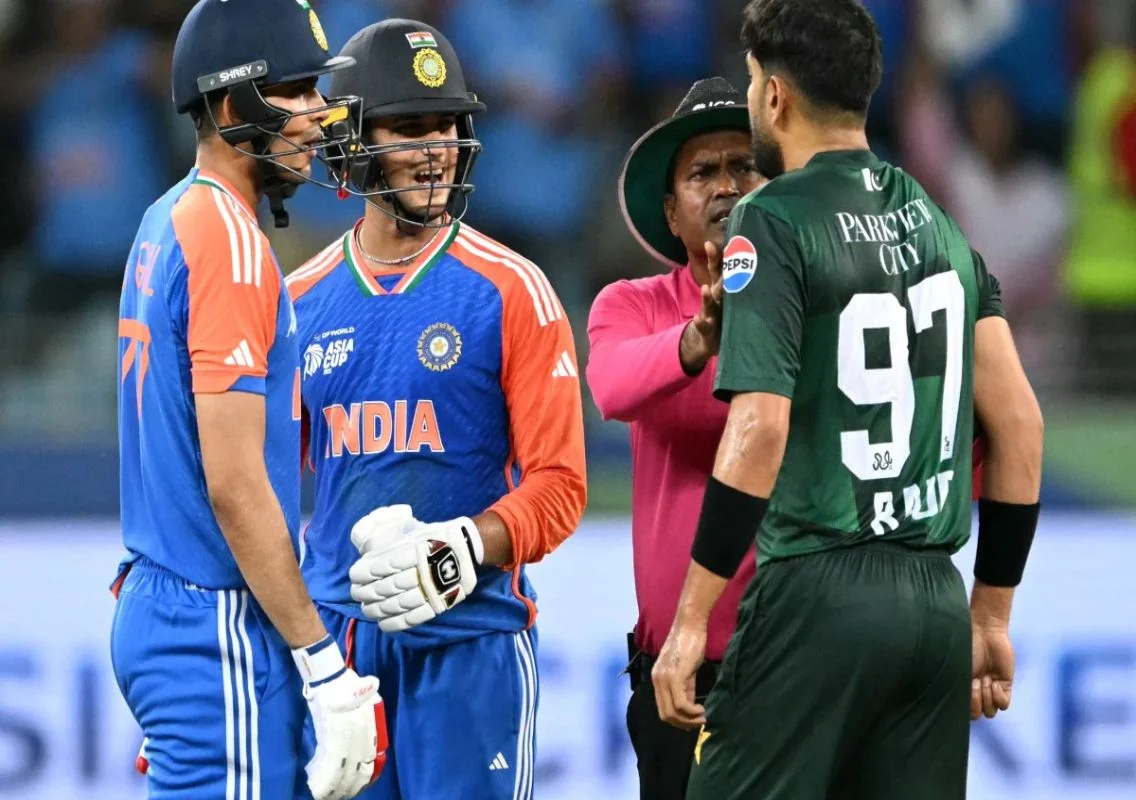
India and Pakistan have not played a bilateral series for over a decade, with encounters limited to multi-nation tournaments organised by bodies like the ICC and the ACC. Matches between the two sides continue to draw massive global viewership, but they remain overshadowed by political realities.
Modi’s remarks reflect a broader sentiment within sections of the cricketing community that the sport is increasingly being shaped by geopolitical factors. His concerns about player safety, administrative independence, and diplomatic tensions highlight the challenges in reviving one of cricket’s most celebrated rivalries.
Conclusion
As things stand, the prospect of India and Pakistan resuming bilateral cricket appears distant. Lalit Modi’s comments underscore the deep-rooted issues that extend beyond the boundary lines, suggesting that until political relations stabilise, cricket between the two nations will remain limited to global tournaments.
While fans continue to hope for a revival of regular contests, the current environment indicates that such a development may not happen anytime soon.
Comments are closed.