
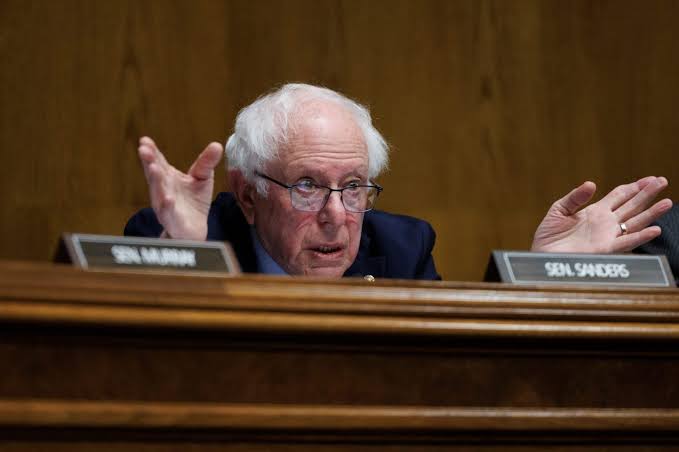

As artificial intelligence continues to expand at a rapid pace, concerns over its environmental footprint and pressure on energy systems are prompting calls for stricter oversight in the United States. Two progressive lawmakers, Bernie Sanders and Alexandria Ocasio-Cortez, have introduced a proposal aimed at temporarily halting the construction of new AI data centers nationwide.
The initiative comes at a time when demand for computing power is surging, driven by the widespread adoption of AI technologies. Massive data centers, which form the backbone of these systems, require enormous amounts of electricity and water, raising alarms about sustainability and long-term resource management.
Sanders and Ocasio-Cortez argue that federal authorities are not yet equipped to manage the far-reaching implications of AI growth. They believe a pause in expansion would provide lawmakers with time to create policies that address the risks while ensuring that the benefits of AI are distributed more evenly across society.
Proposed Moratorium to Allow Policy Development
The legislation seeks to impose an immediate, though temporary, ban on the development and expansion of AI data centers. This moratorium would remain in place until a comprehensive regulatory framework is established at the federal level.
Supporters of the measure say the goal is not to slow innovation permanently, but to ensure that technological progress does not outpace regulation. They contend that the speed at which AI is advancing leaves little room for governments to respond effectively, increasing the likelihood of unintended consequences.
The lawmakers have emphasized that artificial intelligence is transforming industries, economies, and daily life at an unprecedented rate. Without clear guidelines, they warn, the risks associated with this transformation could outweigh its benefits.
Addressing Climate, Infrastructure, and Workforce Concerns
One of the central issues highlighted in the proposal is the environmental impact of AI infrastructure. Data centers consume vast amounts of power, often relying on energy sources that contribute to greenhouse gas emissions. In addition, their water usage for cooling systems has become a growing concern in regions already facing water scarcity.
The proposed legislation calls for safeguards to ensure that data center operations do not worsen climate challenges or strain local resources. Lawmakers are also seeking measures to prevent rising electricity costs for households, which can occur when large-scale facilities increase demand on power grids.
Another key area of concern is employment. While AI has the potential to create new industries and opportunities, it also poses risks to existing jobs. The proposal underscores the need for policies that protect workers from displacement and ensure that economic gains from AI are shared more broadly.
Limits on Exporting Advanced AI Technology
In addition to domestic restrictions, the proposal includes provisions aimed at regulating the international flow of AI-related hardware. Specifically, it would restrict the export of advanced computing components, such as AI chips, to countries that do not have similar safeguards in place.
This aspect of the plan reflects concerns about the global implications of AI development, including ethical use and competitive dynamics. By tying exports to regulatory standards, the lawmakers hope to encourage responsible practices beyond U.S. borders.
Local Governments Already Taking Action
The push for a federal moratorium follows a wave of similar actions at the state and local levels. Since 2025, several communities across the United States have introduced temporary bans or restrictions on new data center projects.
These measures have been driven by concerns over environmental degradation, increased energy demand, and pressure on public infrastructure. According to Good Jobs First, multiple states are currently evaluating policies that would limit or regulate data center expansion.
Environmental advocacy groups have also been active in raising awareness about the issue. In late 2025, more than 200 organizations, led by Food and Water Watch, called on federal lawmakers to implement a nationwide pause on data center construction.
Public Sentiment Reflects Rising Anxiety
Public opinion appears to be shifting as awareness of AI’s potential downsides grows. Surveys conducted in 2025 indicate that many Americans are increasingly cautious about the role of AI in society.
A significant portion of respondents expressed concern about how AI could affect employment, privacy, and the spread of misinformation. At the same time, a majority indicated support for stronger regulation of the technology sector to mitigate potential harms.
These concerns provide a backdrop for the current proposal, highlighting the broader societal debate about how to balance innovation with responsibility.
Political Roadblocks Ahead
Despite gaining traction among progressive lawmakers, the proposal faces an uphill battle in Congress. It is widely viewed as unlikely to pass, given the current political climate and differing priorities among policymakers.
The administration of Donald Trump has taken a more industry-friendly approach, emphasizing the importance of maintaining U.S. leadership in AI development. Efforts to collaborate with major technology companies and involve industry leaders in policy discussions suggest a preference for growth over restrictions.
This divide underscores a fundamental disagreement about how best to manage the rise of AI—whether through proactive regulation or by allowing innovation to proceed with minimal interference.
Environmental Debate Gains Urgency
Environmental groups continue to warn about the long-term consequences of unchecked data center expansion. They point to the sector’s heavy reliance on energy and water, as well as its contribution to pollution and carbon emissions.
Experts caution that without intervention, the rapid growth of AI infrastructure could place additional strain on already stressed energy grids. This could lead to higher costs for consumers and increased dependence on non-renewable energy sources.
Advocates argue that a temporary halt would give policymakers an opportunity to reassess current practices and introduce measures that promote sustainability.

Comments are closed.