
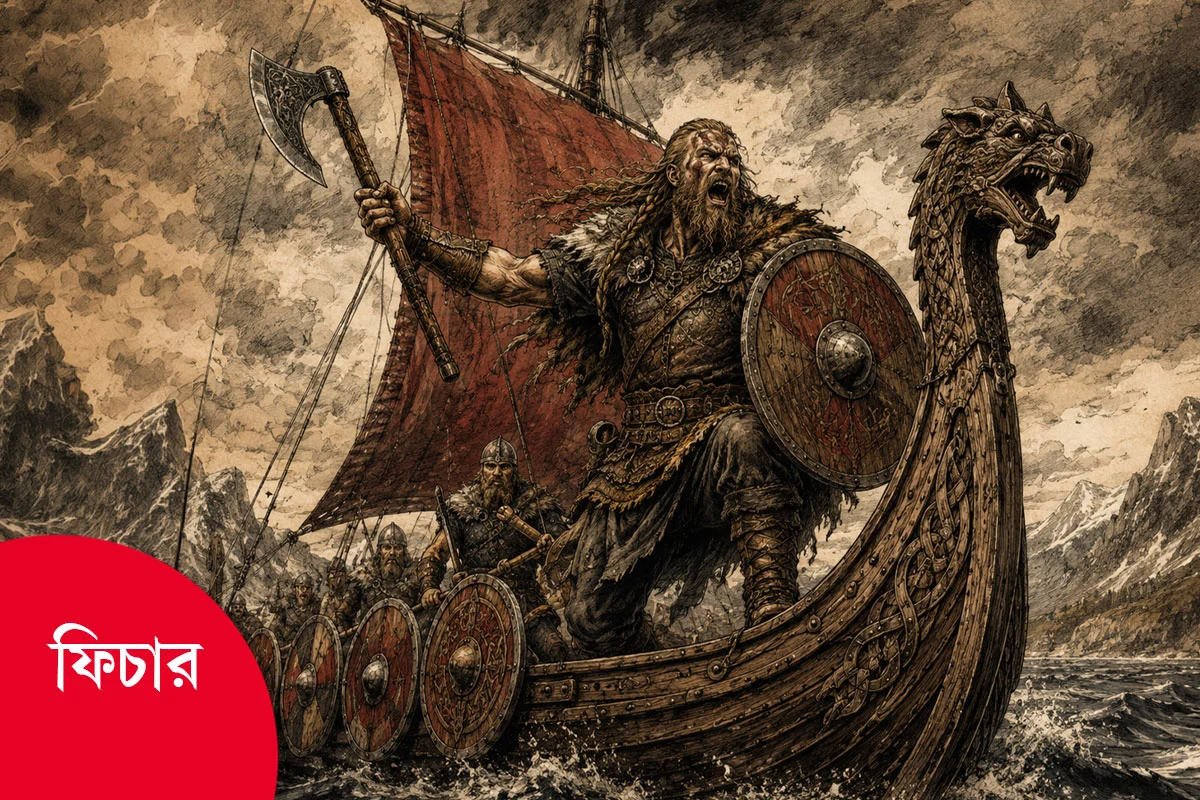

Horned helmet. Sharp weapon in hand. A symbol of anger. bloodthirsty warrior the invader When you say ‘Viking’ many words or phrases will come up one by one. A ship painted like a dragon or a snake in the sea means immense fear was born in the old world! In this year’s World Cup, the entire Norwegian team was seen sitting on the field after the match. This ‘Viking Row’ by Arling Holland, Martin Odegaard is now viral. Which brought the medieval warriors back into the discussion.
Cruelty is the first thing that comes up when talking about the ‘story’ of the Vikings. Immense cruelty. Those who cut the rib bones of the ‘enemy’ and made ‘wings’! It was called ‘Blood Eagle’. Covered with such immense cruelty, the Vikings have become synonymous with cruelty. But were they really that cruel?
It can be said before coming to that, who were the Vikings? In short, brave sailors, warriors and traders from the Scandinavian region of Northern Europe (present-day Norway, Sweden and Denmark). The period from the late 8th century to the 11th century is called the Viking Age. Throughout this period their violence continued throughout Europe. The history of the Vikings is a unique chapter in seafaring. Although they are primarily known for plunder and warfare, who can deny their contribution to naval technology, trade and the discovery of new territories? But keeping all that aside, the Vikings’ brutal raids are the most talked about.
In this year’s World Cup, the entire Norwegian team was seen sitting on the field after the match. This ‘Viking Row’ by Arling Holland, Martin Odegaard is now viral. Which brought the medieval warriors back into the discussion.
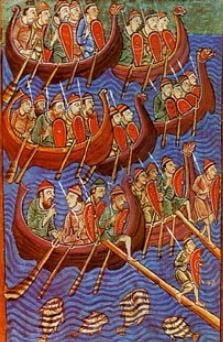
Of which, as already mentioned, ‘Blood Eagle’ is the most terrifying. The skin and large parts of the muscles of the prisoners’ backs were cut away, and the ribs were separated from the spine and spread out on both sides. So that they look more like ‘wings’. It does not end here. Both of the victim’s intact lungs were removed and placed on the dislocated ribs. According to researchers, he would have died before reaching this stage. But can so much torture really? A few years ago, a study shows, it is really possible! Our body can withstand such hellish torture for a long time. However, researchers agree on one more thing. The whole process is impossible for anyone to bear!
But even with such brutal narratives, questions remain. Were the Vikings more aggressive than the ‘Saracen’ or ‘Magia’ groups? Not so, researchers say. The raids by the Magyars in Hungary were no less intense than the marauding kings of Bavaria or the Muslim raiders known as Saracens in France, Switzerland and various parts of Italy. There are more such examples. Yet why are the Vikings the most criticized? Their name is mixed with the raw smell of blood!
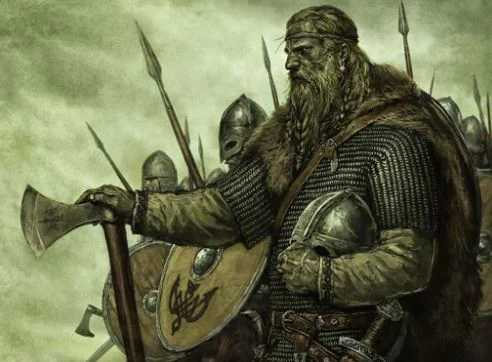
The history of the Vikings is a unique chapter in seafaring. Although they are primarily known for plunder and warfare, who can deny their contribution to naval technology, trade and the discovery of new territories? But keeping all that aside, the Vikings’ brutal raids are the most talked about.
In fact, the Vikings were largely illiterate. They managed to write down very little of their activities. Rather, a large part of the written evidence of their activities was written by the people they affected. Or hundreds of years later, the ‘sagas’ or epics written by their successors also talk about the Vikings. Now, it is only natural that victims would write more about the violence of the Vikings. As a result, stories of Viking atrocities have probably been exaggerated over time.
“The depiction of the Vikings as very violent or barbaric is actually quite a bit later. That is, hundreds of years after the start of their marauding reign. Over time, the exaggeration has created an image that remains with us today,” says Professor Caitlin Ellis of the University of Oslo.
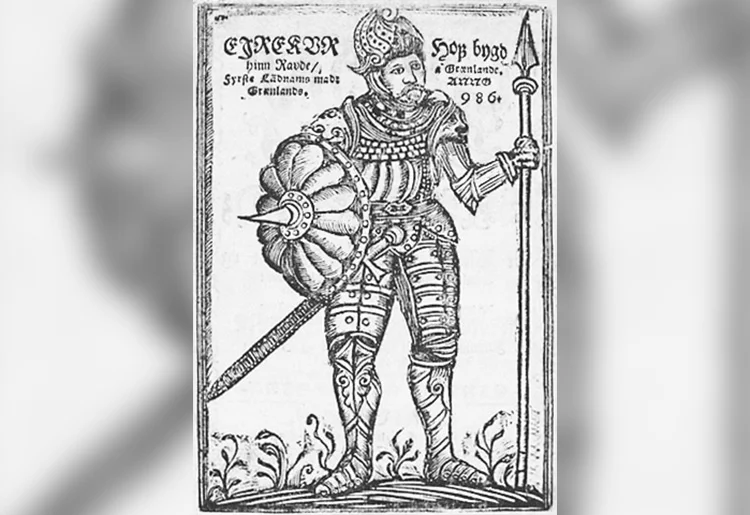
A large part of the written evidence of the Vikings’ activities was written by the people they affected. Or hundreds of years later, the ‘sagas’ or epics written by their successors also talk about the Vikings.
He also gave an example in this context. According to an account by the historian Prudentius in 834 AD, the Vikings completely destroyed the city of Dorestad! The city is currently part of the Netherlands. However, Prudentius later wrote that the village survived the following year. And the Vikings then ‘turned it into ruins’. He also reports that in 836 the Vikings returned to destroy the city. Then in 837 they attacked there again. Naturally, if you think about it, how can a village be completely destroyed and rebuilt quickly? The repeated raids by the Vikings meant that the villages were not completely destroyed. That is, the brutality that is being talked about, the picture of destruction was not that terrible.
There was one more thing. The Vikings were considered even more barbaric because they were not part of a formal kingdom. It was very easy to dismiss those who had no country, no king, as mere pirates. And that was it. As a result, the Vikings became the dominant force behind the rest. With the passage of time, the silt of the story has gradually thickened.
Comments are closed.