
London’s V&A Museum Plans Bold South Asia Gallery Redesign With Colonial History Brought Into Focus – Obnews

One of the world’s most influential museums is preparing to transform the way it presents South Asian history. London’s Victoria and Albert Museum has announced a major redesign of its South Asia Gallery, with a renewed focus on the origins of its collection, the complex legacy of colonial era collecting and the perspectives of the communities whose heritage is represented within the space.
The project is more than a physical renovation. It represents a significant change in how South Asian art and design will be interpreted for a global audience. Instead of presenting historical objects as isolated treasures removed from their original settings, the redesigned gallery will explore how these works were created, how they travelled to Britain and how their meanings have evolved across generations.
The V&A’s South Asian collection includes approximately 50,000 objects spanning thousands of years, from around 3000 BCE to the present day. Its holdings include paintings, textiles, clothing, manuscripts, sculpture, architectural pieces, jewellery, fashion, furniture, arms and armour. Many of the objects reflect the region’s extraordinary artistic diversity, including the influence of court cultures, religious traditions, local craftsmanship and international exchange.
According to the National Lottery Heritage Fund, the museum will receive £4 million to support the transformation. The gallery is being redesigned for the first time since 1990 and is expected to reopen in spring 2028. The project will include updated interpretation, immersive technology and a broader public programme designed to make the collection more accessible to younger visitors and families.

A major feature of the redesigned space will be the Kochi Ceiling, a painted and carved wooden temple ceiling from South India dating back to the 19th century. The ceiling has remained in storage for more than 70 years and was last displayed in 1955. Once conserved and reconstructed, it will be suspended above visitors, creating a dramatic visual centrepiece for the gallery.
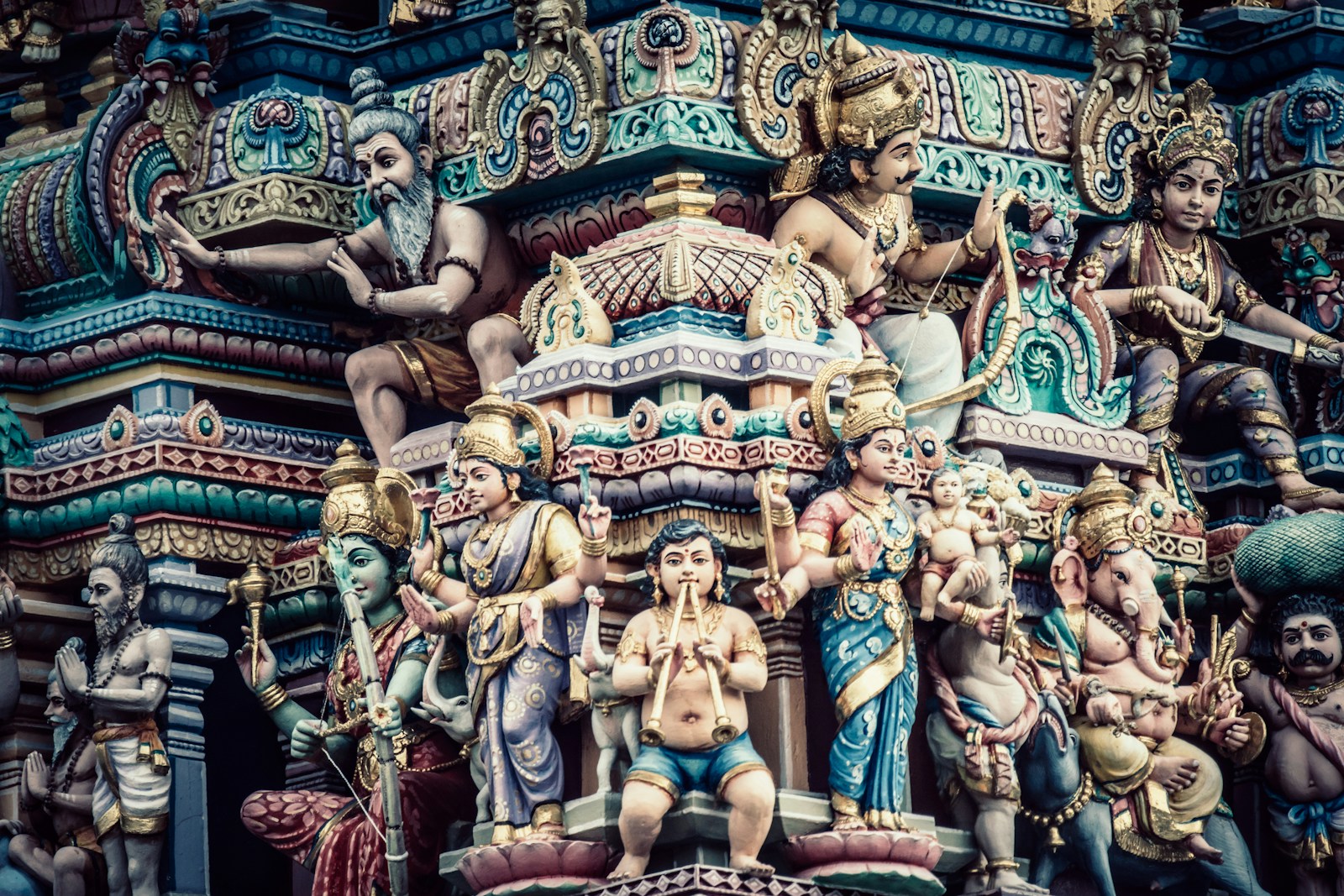
The ceiling’s surviving panels feature Hindu deities and scenes connected to the Ramayana. A contemporary artist or designer will also be commissioned to create new panels for areas where pieces from the original ceiling are missing. The decision will allow the installation to bring historic craftsmanship into conversation with modern South Asian creativity.
Another important work planned for display is a large copy of a painting from the Ajanta caves in India. The approximately five metre wide artwork depicts stories from the Jataka tales. The V&A’s copy was commissioned in the 19th century and created by students from the Bombay School of Art under John Griffiths. It is undergoing conservation work before the gallery reopens.
The gallery will also feature an 18th century ivory domestic shrine designed in the form of a South Indian temple and dedicated to Vishnu. Alongside historic objects, visitors will encounter modern and contemporary South Asian art and design in the permanent gallery for the first time. This shift reflects a broader understanding that South Asian culture is not only a subject of the past. It remains a living, evolving force shaped by artists, designers and communities around the world.
The new presentation will be organized across three broad periods: early and medieval South Asia, early modern South Asia and the modern era. This structure will allow the museum to explore artistic developments across centuries while also showing how ideas, materials and techniques travelled across borders. It will also help visitors understand that South Asia cannot be reduced to a single country, religion, empire or cultural identity.
One of the most important aspects of the transformation is the role of community participation. The museum has worked with young people and multigenerational groups from Britain’s South Asian diaspora to discuss gallery themes, object displays and interpretation. The goal is to create a gallery shaped not only by institutional expertise but also by the voices of communities with personal connections to the histories being presented.
This approach is especially significant because many museums across Europe and North America are reconsidering how they explain the acquisition of historical objects during periods of empire. Decolonizing a museum does not mean removing history or replacing scholarship with slogans. At its best, it means providing visitors with more context, greater transparency and a clearer understanding of the power structures that influenced how collections were assembled.
For the V&A, the redesign offers an opportunity to acknowledge difficult questions without losing sight of artistic achievement. South Asia’s cultural history is filled with extraordinary craftsmanship, intellectual exchange and creative innovation. Presenting that history honestly requires museums to discuss both the brilliance of the objects and the circumstances that brought many of them into Western institutions.

The transformation also reflects the growing influence of South Asian communities in Britain, Canada and other parts of the diaspora. For younger visitors, seeing their heritage represented thoughtfully within a major international museum can create a deeper connection to history. For visitors from other backgrounds, the gallery can serve as an invitation to understand a region whose artistic traditions have shaped global culture for centuries.
When the renewed South Asia Gallery opens in 2028, it will offer more than a redesigned exhibition space. It will provide a new model for how museums can approach cultural history with greater honesty, curiosity and respect. By bringing historic masterpieces, contemporary voices and colonial context into the same conversation, the V&A is attempting to create a gallery that reflects both the beauty of South Asian art and the complexity of its journey across time.

Comments are closed.