
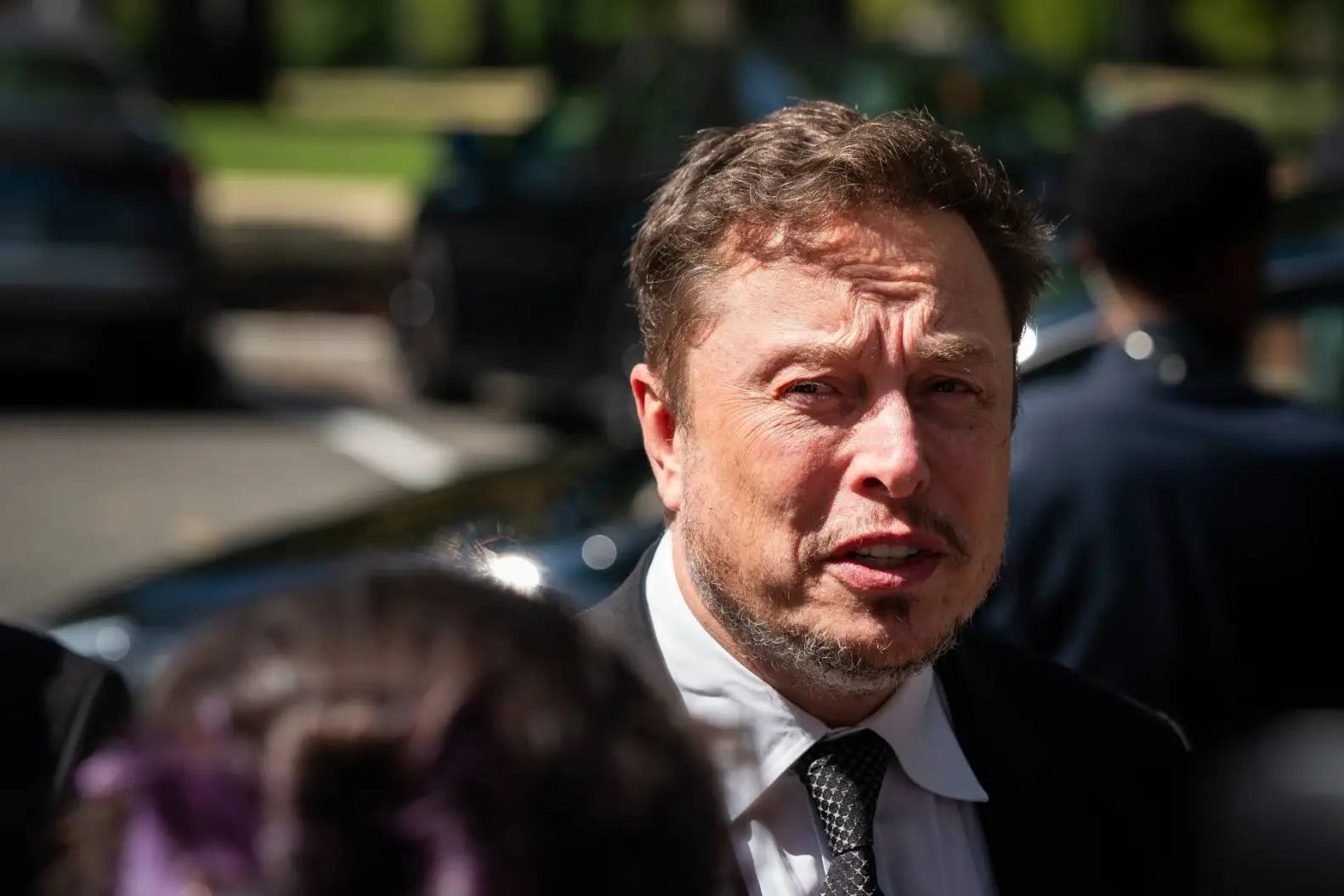

The high-stakes legal clash between Elon Musk and OpenAI has moved from online jabs to a courtroom drama—one that could redefine the future of artificial intelligence governance. At the center of the storm is Musk’s explosive claim: he was “a fool” for funding what he now believes has become a profit-driven enterprise masquerading as a nonprofit.
Credits: npr
From Idealism to Disillusionment
When OpenAI was founded in 2015, it carried a bold mission—to develop AI for the benefit of humanity. Musk was one of its early backers, contributing both funding and credibility. Alongside figures like Sam Altman and Greg Brockmanthe organization positioned itself as a counterweight to Big Tech’s dominance in AI.
But by 2018, cracks began to appear. Musk stepped away from the board after disagreements over the company’s direction—particularly its shift toward a “capped-profit” model designed to attract investment and talent. What began as cautious optimism soon turned into skepticism, and eventually, outright distrust.
“Have Your Cake and Eat It Too”
In court, Musk argued that OpenAI benefited from what he described as a “halo effect”—the goodwill and moral authority of being a nonprofit—while simultaneously transitioning into a for-profit powerhouse.
His criticism was sharp and memorable: organizations cannot “have your cake and eat it too.” According to Musk, OpenAI leveraged its nonprofit identity to attract early support, only to later pivot toward profit maximization. He described his journey in three phases—initial enthusiasm, growing uncertainty, and finally, the belief that the nonprofit was being “looted.”
“We are currently in phase three,” he told the court.
The Microsoft Factor
A major flashpoint in the case is OpenAI’s deep partnership with Microsoft. The tech giant’s multibillion-dollar investments—reportedly including a $10 billion deal—have given it significant influence over OpenAI’s technology and commercialization.
Musk argues that this relationship contradicts OpenAI’s founding principle of openness. “This does seem like the opposite of ‘open,’” he remarked, raising concerns about a single corporation potentially controlling artificial general intelligence (AGI)—a future form of AI capable of matching or exceeding human intelligence.
His unease wasn’t just philosophical. Musk testified that when he learned about the scale of Microsoft’s investment, he reacted “quite negatively,” even texting Altman in frustration.
A Question of Control and Intent
The case also delves into internal dynamics and power struggles. Musk claimed he expected a significant degree of control over OpenAI’s for-profit arm, given his early contributions. He suggested that if wealth creation was the goal, it should have been pursued transparently through a purely for-profit structure—not under the umbrella of a nonprofit.
In one of the most striking moments of his testimony, Musk said:
“I gave them $38 million of essentially free funding which they then used to create an $800 billion for-profit company.”
He also revealed that he declined an offer to take equity in OpenAI, saying it “felt like a bribe” and conflicted with the organization’s nonprofit ethos.
OpenAI’s Defense: Sour Grapes?
OpenAI’s legal team paints a very different picture. Their argument is straightforward: this is less about principle and more about rivalry. They claim Musk is attacking a company that succeeded after he left—while he himself went on to launch a competing venture, xAIin 2023.
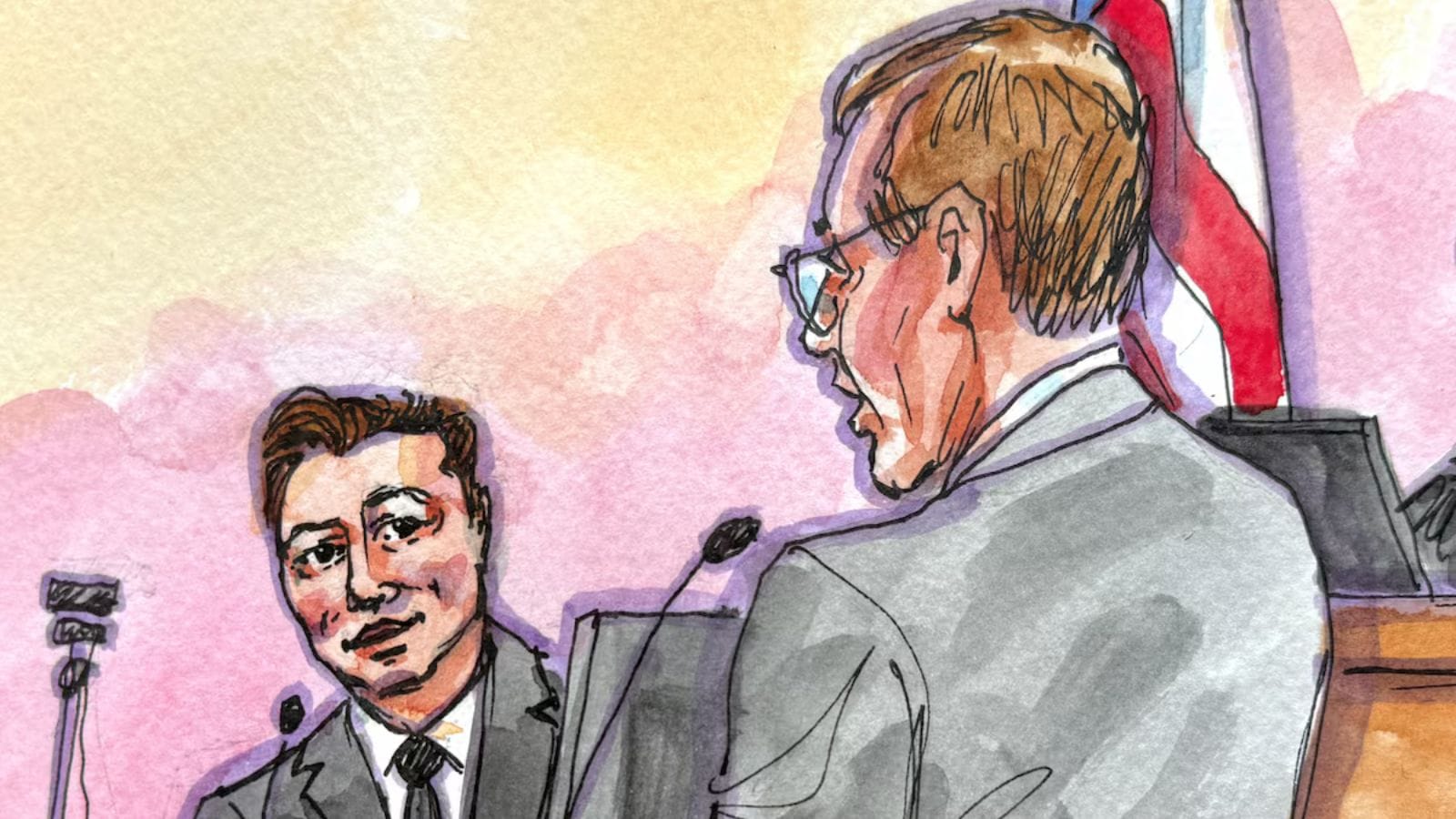
During a tense cross-examination, OpenAI’s lawyers questioned why Musk waited until 2024 to file the lawsuit if his concerns were longstanding. Musk responded bluntly: he would have acted sooner if he believed earlier that “the charity had been stolen.”
They also challenged his financial commitment, noting that while Musk had pledged $1 billion, his actual contribution was far lower. Musk countered by emphasizing the value of his reputation and influence, arguing that his total contribution exceeded $100 million when intangible factors are included.
Credits: The Indian Express
What’s at Stake for AI’s Future
This isn’t just a personal feud—it’s a defining moment for the AI industry. The outcome could influence how AI companies structure themselves, balance ethics with profitability, and manage partnerships with powerful corporations.
If Musk succeeds, it could force a re-evaluation of hybrid nonprofit-for-profit models. If OpenAI prevails, it may validate the current approach—where massive capital and commercial incentives are seen as necessary to compete in the global AI race.
Either way, the case underscores a deeper question: can a technology as powerful as AI truly serve humanity while also generating enormous profits?
As the trial continues, the world is watching—not just for a verdict, but for clarity on who gets to shape the future of intelligence itself.

Comments are closed.