
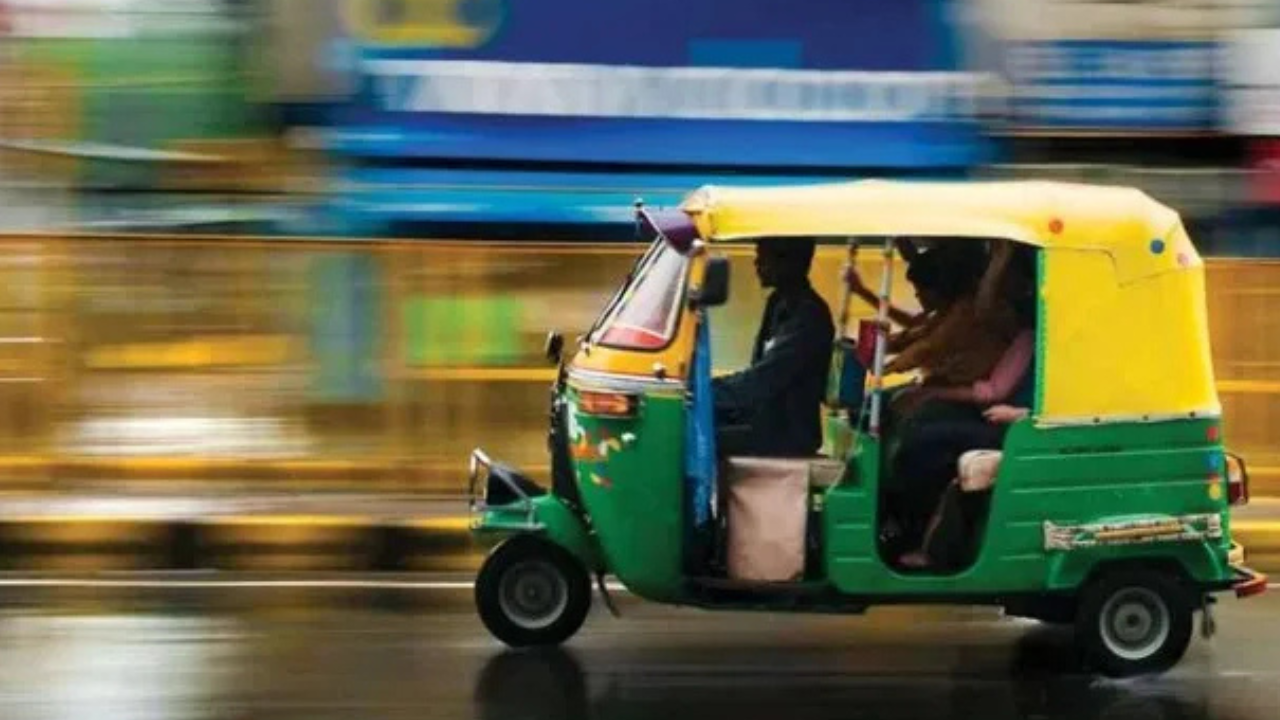

Today, from cities to villages in India, rickshaws have become an important means of general transport. Due to its low cost, easy maneuverability on narrow roads and convenience of bringing passengers closer to home, rickshaws have earned a special place in the daily lives of Indians.
The rickshaw originated in Japan in 1869. Japanese researchers Izumi Yosuke, Suzuki Tokujiro, and Takayama Kosuke developed a human-powered two-wheeled “jinriksha”. The word “jinriksha” means “human powered vehicle”. The main objective behind this invention was to provide a cheaper and simpler alternative to horse carriage.
Less investment more profit; These are the top best electric rickshaws
At the beginning of the twentieth century, the rickshaw reached many countries in Asia. In India, hand-pulled rickshaws first appeared in the Kolkata area. Later in the 1940s-50s cycle rickshaws became widespread. Motorized in the 1950s in response to a growing population and the need for cheap public transport auto rickshaw were developed.
Local manufacturing companies have contributed a lot to the growth of the rickshaw industry in India. Auto rickshaws soon became popular due to low fuel costs, easy maintenance and affordable fares. Today, rickshaws are a major source of employment for millions of drivers. Right from communication to lifeline, this work is done by rickshaw.
A range of 296 km on a single charge! Bajaj Launches Electric Rickshaw; Price…
Rickshaws also changed with time. After petrol and diesel rickshaws, now CNG, LPG and Electric Rickshaw have come to the market. This is considered as a big step towards environment friendly transport.
Starting from a simple human-powered vehicle, the rickshaw journey has become an integral part of India’s transport system today. It is a success story not just of the vehicle, but of innovation, employment and public service.

Comments are closed.