
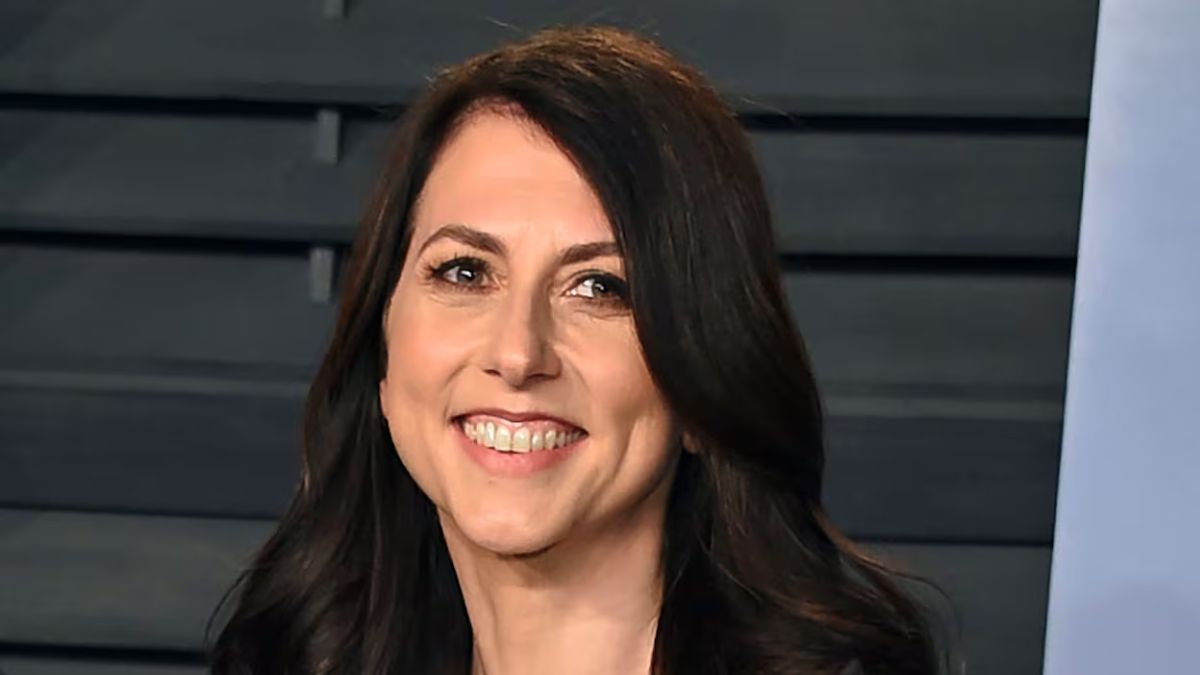
MacKenzie Scott led charitable giving in 2025 as her donations made up one third of all megagifts

MacKenzie Scott has once again cemented her place as one of the world’s most influential philanthropists. New figures show that the billionaire author and philanthropist accounted for roughly one third of all megagifts made during 2025, a remarkable share that highlights the scale of her charitable giving.
The latest data also paints a broader picture of generosity across the United States. Total charitable donations reached an estimated $617.2 billion in 2025reflecting continued support for nonprofits, educational institutions, healthcare organizations, community groups, and humanitarian causes despite ongoing economic uncertainty.
Scott’s contribution stands out not only because of its size but also because of the way she has reshaped modern philanthropy. Rather than creating lengthy application processes or attaching strict conditions to grants, she has become known for giving large sums directly to organizations and allowing them to decide how best to use the money.
MacKenzie Scott dominates charitable giving in 2025
According to the latest figures, MacKenzie Scott was responsible for around one third of all megagifts made during 2025. Megagifts typically refer to exceptionally large charitable donations, often worth tens or even hundreds of millions of dollars.
Since announcing her Giving Pledge commitment following her divorce from Amazon founder Jeff Bezos, Scott has donated billions of dollars to thousands of organizations across the United States and beyond.
Her philanthropy has focused on a wide range of causes, including education, racial equity, public health, food security, affordable housing, women’s organizations, and community development. Many of the groups she supports are smaller nonprofits that often receive less attention from traditional major donors.
Unlike many philanthropists who establish complex foundations with detailed grant requirements, Scott has gained recognition for providing unrestricted funding. That approach gives nonprofit leaders the flexibility to invest the money where it is needed most rather than following predetermined spending rules.
Why MacKenzie Scott’s giving strategy stands out
Scott’s approach has attracted attention from both nonprofit leaders and philanthropy experts because it challenges long established traditions in charitable giving.
Many nonprofit organizations spend months preparing grant applications and meeting reporting requirements before receiving funding. Scott has often shortened that process by identifying organizations through independent research and providing substantial donations without requiring lengthy proposals.
Supporters argue that this model places greater trust in nonprofit leaders, who are often in the best position to understand the needs of the communities they serve. Several organizations have used Scott’s donations to expand services, improve infrastructure, hire additional staff, and build long term financial stability.
Her giving has also encouraged broader conversations about how wealthy individuals can maximize the impact of their charitable contributions rather than simply increasing the amount donated.
What the latest philanthropy figures reveal
The estimated $617.2 billion in total charitable donations during 2025 reflects continued generosity from individuals, corporations, and foundations. Even as economic conditions remained uncertain in many sectors, charitable giving continued to support essential services and community programs across the country.
MacKenzie Scott’s dominant share of megagifts underscores how a single donor can influence the philanthropic landscape. At the same time, experts note that the overall strength of charitable giving still depends on millions of smaller donations made by households and local communities every year.
As major donors continue to rethink how they give, Scott’s approach is likely to remain a point of reference across the nonprofit sector. Her impact extends well beyond the size of her donations, helping shape a broader conversation about trust based philanthropy and how large scale giving can create lasting change for organizations that need it most.

Comments are closed.