
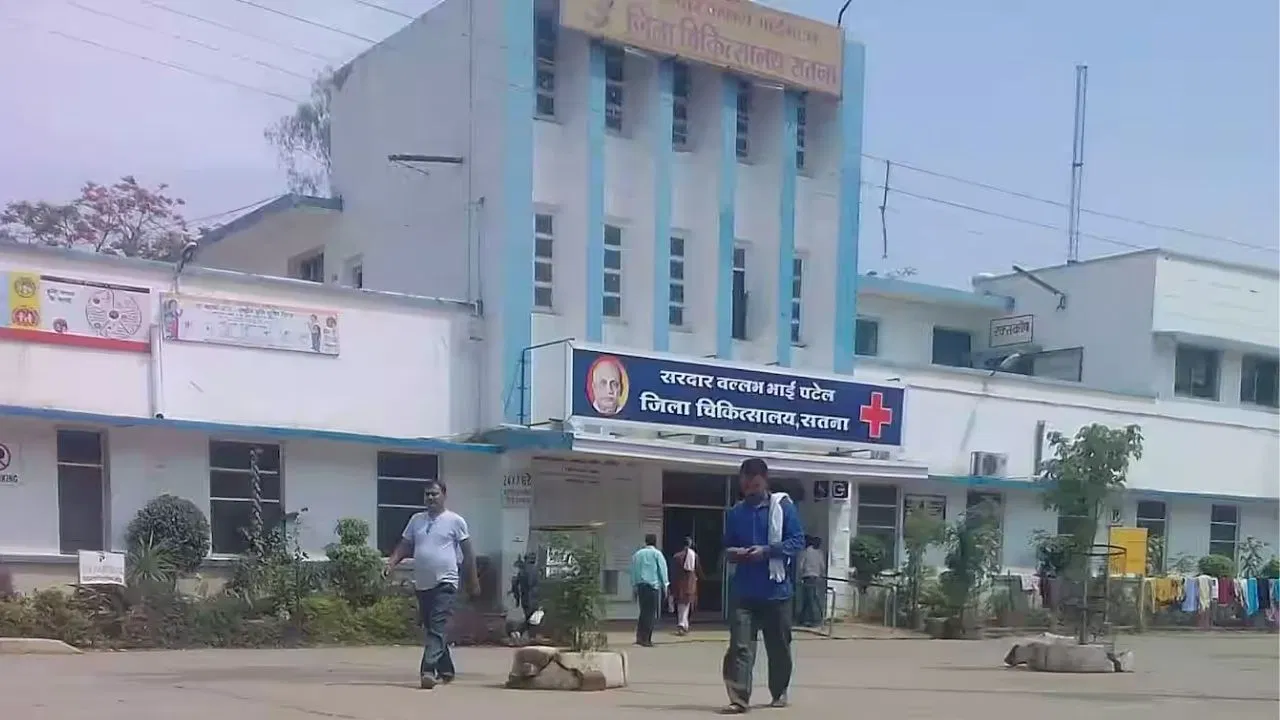
Madhya Pradesh shocker: HIV-positive blood given to children suffering from thalassaemia in Satna

Satna, Madhya Pradesh: In a disturbing case of medical negligence, four children suffering from thalassaemia were allegedly transfused with HIV-positive blood at a government hospital in Madhya Pradesh’s Satna district.
A routine, life-saving procedure turned into a nightmare for four families after the children, aged between eight and 11, battling thalassaemia, were found to be HIV-positive after receiving blood transfusions. The serious lapse has compounded the woes of the children who depend on regular transfusions to stay alive.
The transfusions in question took place nearly four months ago. The infections came to light only recently, when follow-up medical tests showed results that shook the families. The families say initial tests at the Integrated Counselling and Testing Centre (ICTC) had clearly shown the children were HIV-negative. It was only later, during routine monitoring, that the devastating diagnosis emerged.
A lifetime of transfusions, a lifetime of risk
Dr Devendra Patel, who heads the blood bank at the district hospital, said children with thalassaemia often receive blood dozens of times over their lives. “Some children have undergone 70, 80, even more than 100 transfusions,” he said. “With repeated transfusions, the risk of infection inevitably increases. Our task now is to identify when and how this happened,” he said in an interaction with the local media.
Blood came from multiple sources
Investigators say the blood transfused into the children was not drawn from a single centre. Along with Satna District Hospital, units were sourced from Birla Hospital in Rewa and other districts across Madhya Pradesh. Health officials are now scrambling to trace every donor linked to these transfusions.
To rule out transmission within families, the parents of all four children were tested. All were found to be HIV-negative.
How did infected blood reach the patients
Under existing medical guidelines, every unit of donated blood must be screened for HIV, Hepatitis B, Hepatitis C and other infections before it is cleared for use. In this case, that safeguard appears to have failed. At least four units of HIV-infected blood were reportedly transfused, suggesting a serious breakdown either in testing, record-keeping, or both.
What has added to the outrage is the delay in detection. Families allege that had the infection been identified earlier, the children could have received timely counselling and medical care to manage the condition better.
Hospital authorities insist that established protocols were followed. Donors, officials say, are screened for age, weight and haemoglobin levels, and blood is tested for infections, including HIV.
Dr Patel explained that while testing methods have improved over the years — moving from rapid kits to ELISA-based testing — no system is foolproof. “ELISA can detect antibodies within 20 to 90 days, but infections during the early window period can still escape detection,” he said, adding that the quality and sensitivity of the testing kits are now under review.
Fear spreads beyond the affected children
The case has raised wider alarm. Blood from the same bank was also given to pregnant women and other patients. Some of them have not yet returned for retesting, heightening fears that the impact could be broader than currently known.
Recognising the gravity of the situation, Satna Collector Dr Satish Kumar S has ordered a comprehensive report from the Chief Medical and Health Officer, covering every stage — from blood collection to screening and transfusion.
Donors still untraced, probe underway
Despite the gravity of the incident, the blood donor or donors linked to the infected units have not yet been traced. Officials have not clarified whether the failure lies with the blood bank, the Integrated Counselling and Testing Centre (ICTC), or hospital oversight.
Tracking down the source of the infection has proved difficult. Blood bank officials say only about half the donors have been traced so far. Incorrect phone numbers and incomplete addresses have slowed the process, leaving investigators with more questions than answers.
The case has laid bare uncomfortable truths about gaps in blood safety and accountability, bringing out the devastating cost of those gaps for children who were already fighting for their lives.
(With inputs from agencies)

Comments are closed.