
Thirunavaya’s Mahamagh 2026: Kerala’s mahakumbh returns after 250 years – know all details here

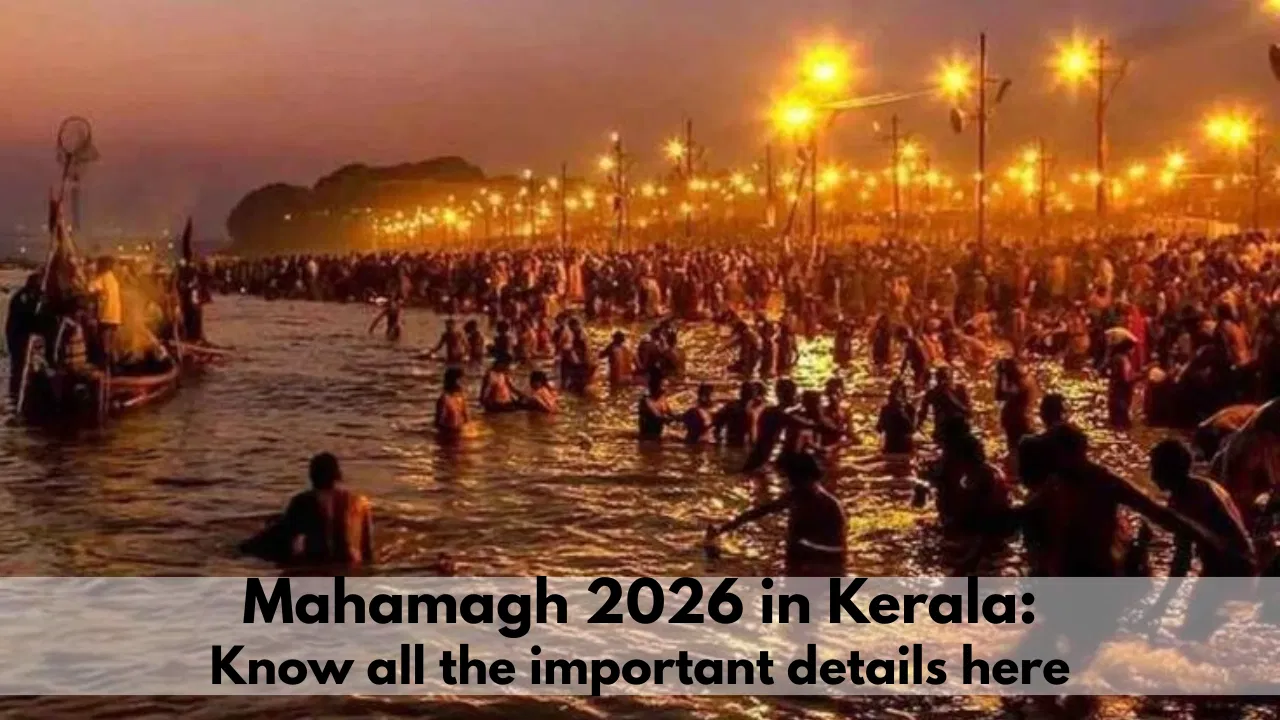
New Delhi: Kerala’s Mahamagh festival in 2026 promises an extraordinary spiritual spectacle, often likened to the grand Kumbh Mela of North India. Scheduled from January 18 to February 3 along the sacred Bharathapuzha River at Thirunavaya, this rare event recurs every 12 years, drawing lakhs of devotees for ritual baths, yagnas, and cultural immersion. Rooted in ancient legends of Parashurama and divine rivers converging, Mahamagh embodies renewal, wisdom, and communal harmony. Families and sadhus from across India prepare to witness history revived, blending Kerala’s lush heritage with timeless Hindu traditions. As pilgrims flock to this southern Kumbh Mela-like gathering, the air fills with chants, lamps, and the promise of purification.
Picture yourself amidst vibrant akharas, flowing saffron robes, and the rhythmic splash of holy dips—Kerala hosts Kumbh Mela-like Mahamagh festival in 2026 beckons with unmatched energy. This interactive celebration invites you to explore its myths, rituals, and royal past, perfect for spiritual seekers and culture enthusiasts alike.
What is Mahamagh 2026
Mahamagh 2026 marks Kerala’s grand revival of the ancient Mahamagh Mahotsavam, a 12-yearly mega-festival at Thirunavaya on Bharathapuzha’s banks. Often called Kerala’s Kumbh Mela, it spans 18 January to 3 February, featuring ritual bathing on auspicious Magha dates, massive yajnas led by Juna Akhara, and sadhu processions. Devotees seek moksha through purifying dips when seven sacred rivers mythically converge, alongside kirtans, discourses, and feasts. Expect temporary camps, illuminated ghats, and global pilgrims creating a lively, immersive vibe.
Mahamagh 2026: History and significance
Legends trace Mahamagh to Parashurama, Kerala’s creator, who performed the first yajna at Thavunur (now part of Bharathapuza) under Brahma’s guidance, with gods witnessing Magha’s sanctity. Brihaspati chaired early cycles, followed by Perumals who turned it into Mamankam—a triennial southern superpower event every 12 years for trade, arts, debates, and kingly accounts. Zamorin of Calicut hosted from AD 800s, blending academia, martial displays, and commerce; Krishnadevaraya attended in 1509. Violence from rivalries ended it 250 years ago, but Juna Akhara revives it now, honouring fallen warriors with temple lamps.
Mahamagh’s fame stems from its Kumbh Mela parallel: rare planetary alignments amplify bathing’s sin-cleansing power, granting Saraswati’s wisdom and prosperity. It symbolises Kerala’s civilisational pulse—faith meets governance, scholarship, and unity—drawing millions for spiritual merit, cultural revival, and Sanatan preservation. Famous for Mamankam’s epic scale, it fosters interactive bonding via akhara parades, philosophical talks, and feasts, making 2026’s event a historic beacon of heritage reclaimed.
Mahamagh 2026 date and time
Mahamagh 2026 unfolds over 17 immersive days from January 18 to February 3, peaking on sacred bathing dates aligned with Magha month’s planetary potency. Key highlights include the grand opening on 18 January with Mouni Amavasya for silent vows and mass dips; 19 January Rathayatra chariot procession from Tamil Nadu arriving by 22 January for Dharmadhvaja flag-hoisting; 23 January Vasant Panchami blending Saraswati worship with floral baths. Other pivotal days feature Rathasaptami (sun rituals), Ganesh Jayanti (elephant-headed deity celebrations), Bhishmashtami (ancestral homage), and climaxing Magha Purnima on 1 February for full-moon enlightenment dips, each day buzzing with Nila Arathi river worship and akhara discourses.
Where Kerala’s Kumbh Mela 2026 is held
Kerala’s Kumbh Mela-Mahamagh 2026 unfolds on the sacred banks of the Bharathapuzha River at Thirunavaya, Malappuram district, near the historic Navamukunda Temple. Revered as Dakshina Ganga, this serene riverside spot—once Mamankam’s epicentre—hosts ghats for mass dips, akhara camps, and yajna kunds. Picture golden sands buzzing with pilgrims under swaying palms; temporary pontoon bridges and illuminated pandals create an inviting, immersive pilgrimage hub blending nature’s calm with spiritual fervour.
Who is organising Kerala’s Kumbh Mela 2026
Juna Akhara, India’s revered Naga monastic order, spearheads Mahamagh 2026 under Swami Anandavan Bharati Maharaj, South India’s Mahamandaleshwar from Prayagraj Kumbh. Joined by Swami Abhinava Balananda Bhairava and local priests like Vallabhan Akkithiripad, they revive ancient rites with district administration support. Expect akhara sadhus, Vedic scholars, and devotees orchestrating seamless grandeur, fostering unity across traditions.
Major rituals of Mahamagh
Key rituals ignite spiritual ecstasy: Mouni Amavasya silent baths on 18 January for vow-bound purification; Dharmadhvaja flag-hoisting post Rathayatra arrival from Tamil Nadu on 22 January. Daily Nila Arathi dazzles with river lamp offerings, while Veera Sadhana honours ancient warriors. Highlights span Vedic shraddhas, Ganesh Jayanti processions, Bhishma Ashtami ancestor rites, and Magha Purnima climax—each pulsing with kirtans, yajnas, and sin-cleansing dips when seven rivers converge mythically.
Why visit Mahamagh 2026
Rare Spiritual Cleansing: Immerse in sin-dissolving holy dips when seven sacred rivers converge at Bharathapuzha, mirroring Kumbh Mela’s potency for moksha and Saraswati’s blessings during rare planetary alignments.
Revived Historic Grandeur: Witness Mamankam’s 250-year comeback with Juna Akhara sadhus, royal yajnas, and akhara parades, reliving Kerala’s ancient trade-faith epicentre alive with saffron-clad vibrancy.
Cultural Immersion Feast: Sway to Nila Arathi lamps, Vedic discourses, kirtans, and feasts blending Kerala’s lush heritage with pan-Indian traditions—perfect for interactive selfies amid glowing ghats and warrior tributes.
Once-in-12-Years Spectacle: Join lakhs for Mouni Amavasya silence, Rathayatra chariots, and Magha Purnima climax; this fleeting southern Kumbh Mela creates Instagram-worthy memories of unity and enlightenment.
Wellness and Community Bond: Experience transformative rituals like Veera Sadhana and Bhishma Ashtami amid serene sands, forging lifelong connections while rejuvenating mind, body, and soul in Kerala’s spiritual embrace.
How to Reach Mahamagh 2026
Fly to Calicut Airport (CCJ): Nearest hub, 40 km away; 1-hour taxi ride through palm groves to Thirunavaya ghats.
Train to Kozhikode or Tirur: Kozhikode 35 km north, Tirur 15 km—autos, KSRTC buses connect directly.
Drive NH66/NH966: From Kochi (180 km) or Thrissur (80 km); ample onsite parking at camps.
Kochi Airport (COK) Option: Southern gateway, 3-hour highway drive or trains via NH66.
Local Shuttles: Festival buses, pontoon bridges, autos ease river access—arrive early!
Mahamagh 2026 tickets, costs, timings and booking
Free entry: No tickets required for general access or holy dips at Thirunavaya ghats—open freely to all pilgrims during 18 Jan-3 Feb.
Daily timings: Rituals dawn to dusk (5 AM-8 PM); peak bathing 4-7 AM; Nila Arathi evenings 6-8 PM—arrive early for best spots.
Akharas and VIP passes: Juna Akhara camps free; optional donations (₹100-500) for meals/seva; book via mahamagham.com if available.
Transport booking: KSRTC festival buses (₹50-200); onsite parking free; no advance ritual slots needed.
How to book: Check mahamagham.com for updates—mostly walk-in; group camps via local organisers; carry ID for security.
Kerala’s Mahamagh 2026 beckons as a once-in-12-years spiritual odyssey, blending Kumbh Mela grandeur with lush riverside serenity at Thirunavaya. From sin-cleansing dips and akhara rituals to historic revivals, it promises transformative joy for every seeker. Plan your visit now—immerse in faith, culture, and unity that lingers forever.

Comments are closed.