
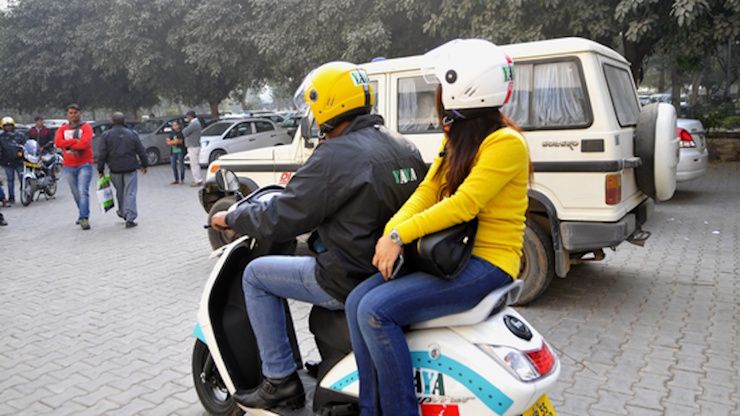

Commuters relying on two-wheeler rides for their daily transit in Maharashtra are in for a significant disruption. The state government has officially revoked the provisional licenses granted to major bike taxi aggregators, including Ola, Uber, and Rapido.
State Transport Minister Pratap Sarnaik confirmed the decision in the legislative council, stating that these operators failed to meet critical compliance requirements and submit the necessary documentation within the stipulated timeframe. As a result, any app-based bike taxi currently operating in Mumbai and the broader Mumbai Metropolitan Region is legally unauthorised.
Electric fleet mandate ignored
The core of the conflict lies in the Maharashtra E-bike Taxi Rules 2024, which the state cabinet approved in August 2024. The policy was meticulously designed to offer a cheaper, green transit option for commuters in cities with a population exceeding one lakh.
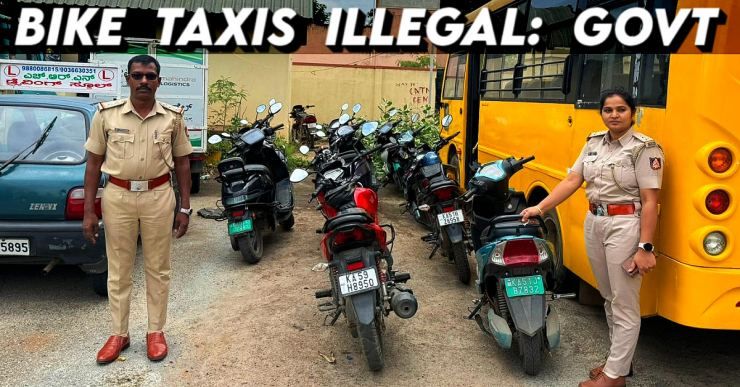
A strict, non-negotiable condition of this policy was that the entire fleet must consist exclusively of electric two-wheelers. Aggregators were granted a temporary one-month permission to operate, during which they were expected to fulfill licensing norms, prove their shift to electric vehicles, and submit mandatory regulatory documents to the state transport department.
According to the transport ministry, the aggregators comprehensively failed to submit these documents within the 30-day window. Transport officials highlighted a general lack of cooperation and arrogance from the ride-hailing companies, leading the government to cancel the temporary permits entirely. The minister noted that operators misused the provisional relief and failed to honour the state rules regarding vehicle electrification, continuing to ply internal combustion engine motorcycles on the platform.
Focusing on vehicle owners
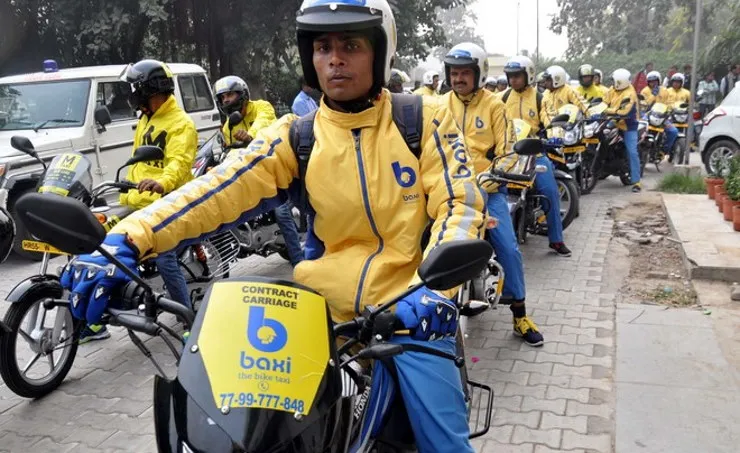
To enforce the ban without unfairly penalising individuals trying to earn a livelihood, the transport department has tweaked its crackdown strategy. Instead of filing cases solely against the gig workers riding the bikes, Regional Transport Office personnel have been actively directed to book the registered owners of the vehicles. This ensures accountability lies with the entities deploying the fleet and the vehicle owners who attach their petrol bikes to the apps, rather than just the riders executing the trips.
The regulatory crackdown has already been gaining momentum over the past year. Since April 2024, authorities have taken penal action against 130 non-compliant bike taxis, resulting in fine collections exceeding Rs 33 lakh. Alongside regulatory non-compliance, the government also cited a rising number of passenger complaints concerning the physical security of women riders and an alarming increase in road accidents involving hastily driven bike taxis navigating through heavy urban traffic.
A temporary halt with conditions
While the revocation removes app-based bike taxis from the streets for now, the state government has clarified that the ban is not necessarily permanent. The transport minister indicated that the operational permits can be quickly reinstated if the aggregators fall in line with the established guidelines, submit the pending paperwork, and ensure strict, verifiable adherence to the electric vehicle mandate.
The primary intent behind the initial e-bike policy was to generate local employment and offer a cost-effective alternative to autorickshaws and traditional cabs for single passengers, mirroring successful transport models seen in tourist-heavy states like Goa.
However, the state is making it abundantly clear that this commuter convenience cannot come at the expense of regulatory compliance or passenger safety. Until Ola, Uber, and Rapido completely restructure their local fleets to meet the electric vehicle norms, commuters across Maharashtra will have to find alternative last-mile connectivity options.

Comments are closed.