
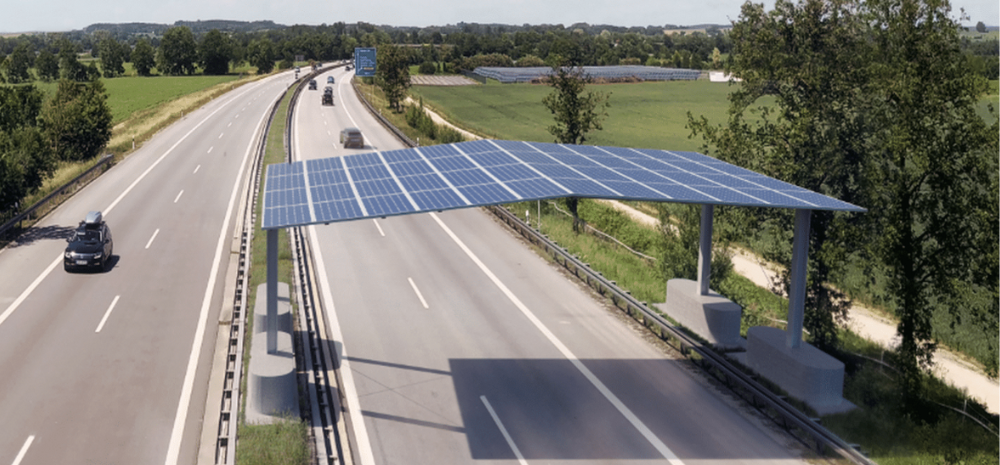

The sun that once promised free energy now casts long shadows of uncertainty over Maharashtra’s rooftops.
Maharashtra’s Solar Dilemma
Maharashtra’s solar ambitions are caught in the storm of clashing policies as the central government’s PM Surya Ghar Yojana is promoting rooftop solar, offering households up to 300 units of free electricity each month, while on the other hand, the state is considering night-time tariff hikes to recover distribution costs.
Due to this, many of those who adopted solar to cut bills now fear new rules may make clean energy less affordable.
Chandrakant Shelke, a resident of Shelkewadi, a 100% solar-powered village in Kolhapur district that serves as a model for self-sufficient, clean energy living said that “We pay Rs 130 now, but who knows what future charges will be?”. He, like many others, are apprehensive that the time-of-day tariff changes could erode years of progress.
Across the state, rooftop solar users, small resellers, and commercial consumers face confusion over shifting regulations and rising costs.
Bottling the Sun – How Batteries Are Emerging as a Solution
The Maharashtra State Electricity Board (MSEB) proposes that rooftop solar electricity be credited only for daytime use (9 am–5 pm). Excess generation fed into the grid would now fetch higher rates at night, effectively raising night-time tariffs for solar consumers. Industrial and commercial users, with high upfront investments, face longer payback periods and reduced benefits. Experts argue the policy favours large-scale utilities, allowing discoms to maintain revenue while discouraging rooftop adoption.
There is but one solution emerging as a popular choice – Battery storage. By storing solar energy during the day, households can avoid high tariffs during peak hours. Renewable energy coaches emphasize that integrating Lithium-ion BESS with smart energy management systems could help consumers benefit from solar round-the-clock, even under changing regulations.
Amid policy clouds, those who capture the sun in batteries may still turn daylight into lasting power—but the full story of Maharashtra’s solar journey remains written in tomorrow’s light.
Summary
Maharashtra’s rooftop solar plans face uncertainty as new time-of-day tariffs may raise night-time costs. While central schemes promote solar adoption, state policies favor large utilities, discouraging small-scale users. Villages like Shelkewadi fear financial setbacks, while battery storage offers a solution to store daytime energy for peak-hour use, ensuring rooftop solar remains viable amid shifting regulations.

Comments are closed.