


The Mahindra Scorpio has beaten the Hyundai Creta in the latest May 2026 SUV sales chart cited for this story, and that is not a routine result. The Scorpio, including both the Scorpio-N and Scorpio Classic, recorded 15,744 units. The Creta (including its electric variants) finished close behind at 15,235 units.
The margin is small, but the implications are big. The Creta has long been the default urban SUV choice in the Rs 11 lakh to Rs 20 lakh bracket. It offers multiple engines, a strong feature list, broad dealer reach and the image of a polished family SUV. The Scorpio is a very different product. It is heavier, taller, ladder-frame based and built around road presence and mechanical toughness rather than crossover-like refinement.
For that kind of SUV to edge past the Creta shows that the market is not moving in only one direction.
The Creta and Scorpio are both called SUVs, but they appeal to different buyers.
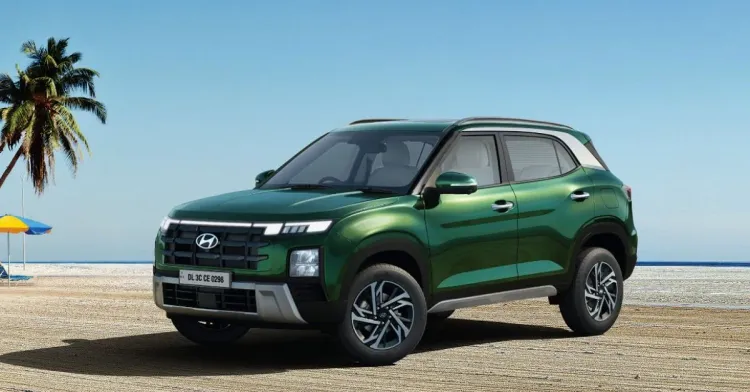
The Creta is a monocoque SUV. It is easier to drive in the city, more car-like in behaviour and more focused on features, comfort and fuel options. It now has petrol, turbo-petrol, diesel and electric versions, giving Hyundai a wide spread of buyers.

The Scorpio-N is a ladder-frame SUV. It is larger, heavier and more rugged in character. It is available with petrol and diesel engines, rear-wheel drive and four-wheel drive options, depending on the variant. The older Scorpio Classic continues to serve buyers who want the more familiar, simpler Scorpio formula.
Two SUVs that appeal to different buyer sets. The Creta is designed for the buyer moving up from a hatchback or sedan into a family SUV. The Scorpio is for the buyer who wants a vehicle that feels more traditional, more imposing and more capable on rough roads.
The Scorpio’s sales performance is notable because it is not a cheaper alternative to the Creta. The Creta starts at around Rs 10.79 lakh, while the Scorpio-N starts higher, at around Rs 13.49 lakh. Its popular variants often sit much further up the price ladder.
That means the Scorpio is despite the higher entry price. A significant part of its demand is coming from buyers willing to pay more for size, presence, diesel torque, seating flexibility and the Mahindra SUV image.
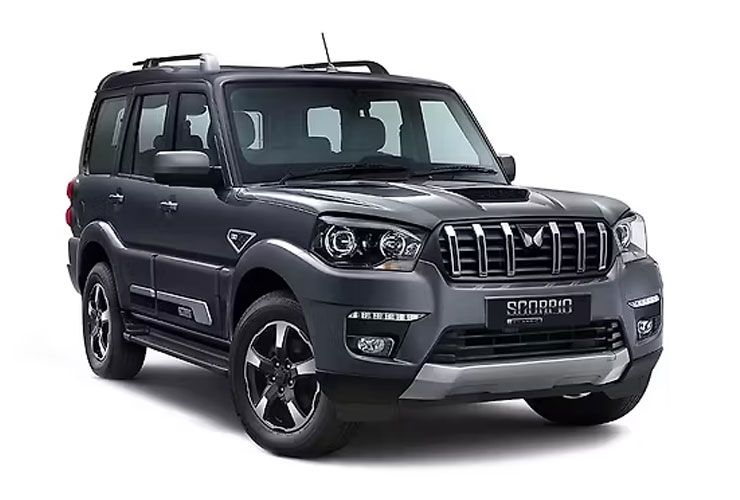
The Scorpio Classic also plays a role. It remains popular in smaller towns, semi-urban markets and rural areas where its older-school character is seen as a strength rather than a weakness. For buyers who value durability, height, road presence and familiarity, the Classic still has a strong pull.
The combined Scorpio number therefore reflects two parallel strengths: the Scorpio-N’s more modern appeal and the Scorpio Classic’s continued hold in traditional SUV markets.
One reason the Scorpio is now able to post such strong numbers is better availability. After the Scorpio-N launch, waiting periods were long in many cities because demand exceeded production. Mahindra has spent the past two years increasing SUV production capacity across key models.
In the past, some Mahindra buyers shifted to rival SUVs because waiting periods stretched too far. Better supply now allows the Scorpio to convert more bookings into wholesale dispatches.
This is also why the Scorpio’s performance is not just about market demand but it also reflects Mahindra’s approach to production and allocation. If Mahindra can keep supply steady, the Scorpio should remain a serious challenger in the upper half of the SUV market.

The broader sales picture shows that India’s car market is not being driven by one body style alone. The Maruti Suzuki Dzire has recently topped overall model charts, proving that sedans are not dead when the product and pricing work.
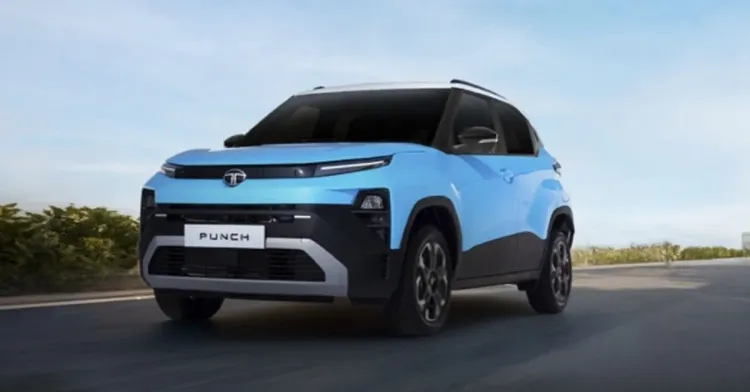
The Tata Punch continues to bring strong volumes from the micro-SUV space. The Creta remains one of Hyundai’s most important models. The Scorpio is now showing that ladder-frame SUVs still have real mass appeal.
This is a useful correction to the idea that all buyers are moving toward soft-roaders. Many are, but not all. There is still a large group of customers who want a vehicle that feels tougher than a crossover.
For Mahindra, that validates the decision to keep the Scorpio name alive in two forms. The Scorpio-N modernised the formula, while the Classic retained the older identity. Together, they give Mahindra a wider base than a single model could have managed.

The Scorpio beating the Creta in one monthly chart does not mean the Creta has lost its place. The Hyundai SUV remains one of the strongest models in the country and continues to benefit from a broad powertrain mix, strong brand familiarity and a more urban-friendly package.

But the Scorpio’s performance shows that the Creta no longer has the space to itself. Buyers now have more credible choices across different SUV formats. Some want features and comfort. Some want road presence and toughness. Some want EVs. Some still want diesel.
The Scorpio’s lead may or may not continue every month. But even a narrow win is enough to show that the Indian SUV market is wider and more complex than the Creta-versus-Seltos narrative. A rugged, body-on-frame SUV can still outsell the urban benchmark when pricing, supply and brand demand come together in a compelling package.
Comments are closed.