
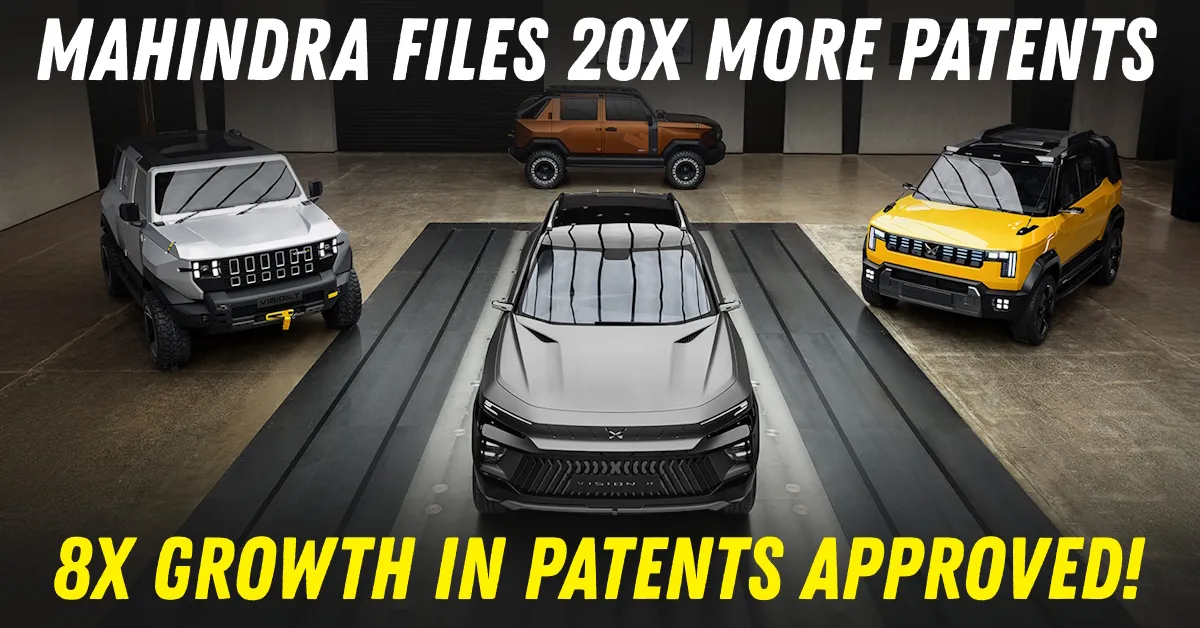

Mahindra & Mahindra’s granted patent count has risen sharply over the past decade. The company had 56 granted patents in FY2016. By FY2026, that number had increased to 1,334. That is more than a 20-fold rise in ten years.
The company has also filed 2,728 patent applications cumulatively as of March 2026. The more important number, however, is the conversion rate. Mahindra says the share of applications turning into granted patents has improved from 8 percent in FY2016 to more than 65 percent for applications filed over the past decade.
Of the 1,334 granted patents, 60 percent relate to Mahindra’s automotive business. The remaining 40 percent come from the farm equipment business.
That split is important because Mahindra is now investing across two very different but core areas. In vehicles, the company is dealing with new safety rules, electrification, connected features, software, new platforms and stricter fuel-efficiency targets. In farm equipment, the focus is on tractors, implements, productivity tools and technologies that can improve efficiency for rural users.
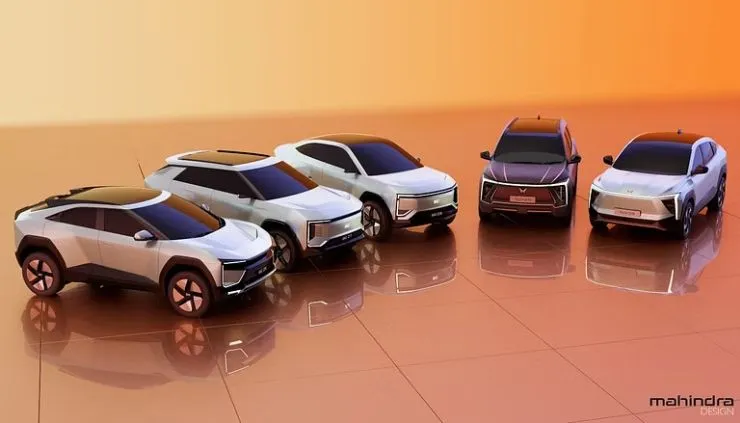
Mahindra has also said that the patent portfolio includes filings from Mahindra Electric Automobile Ltd., the subsidiary behind its newer electric vehicle work. That gives some indication of where part of the engineering effort is going.
The rise in patents comes at a time when Mahindra has moved from being a diesel SUV specialist to a company trying to build a serious EV business as well.
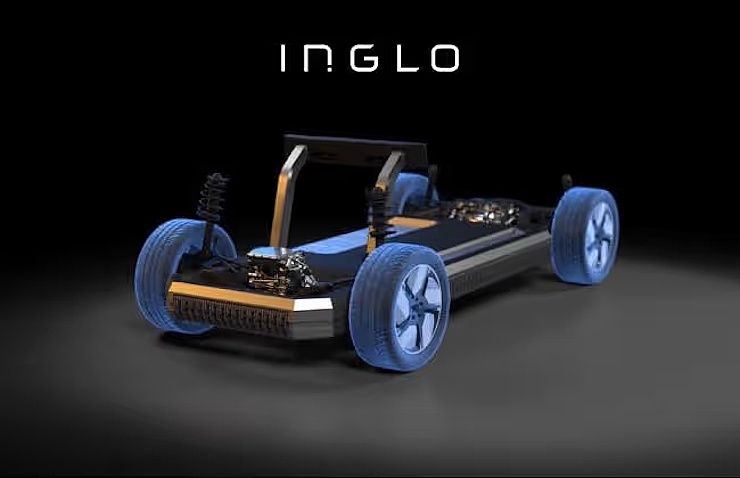
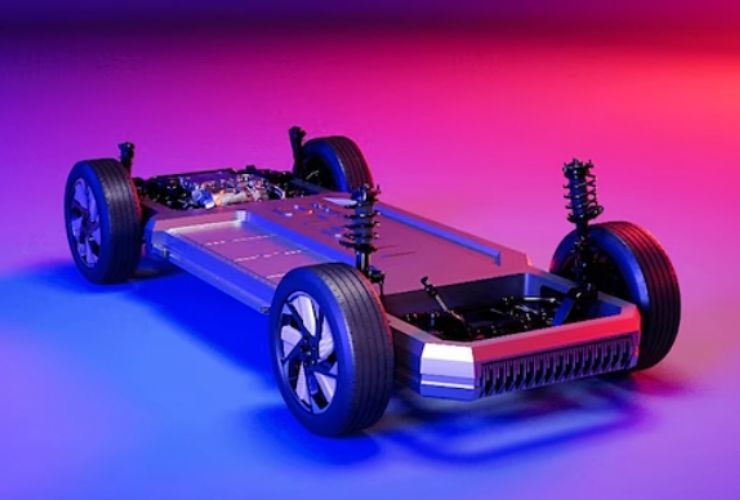
The BE 6 and XUV 9e are based on the INGLO electric platform. These models use new battery packaging, skateboard-style architecture, advanced electronics and software-heavy interfaces. Mahindra is also preparing more born-electric models in the same family.
This does not mean every patent is linked to an EV. But the timing shows that Mahindra’s engineering work is no longer limited to engines, suspension parts and body structures. The company now has to develop electric drivetrains, battery systems, thermal management, cabin electronics, digital displays, software functions and safety systems.
That kind of product shift usually leads to higher patent activity because more systems are being developed in-house.
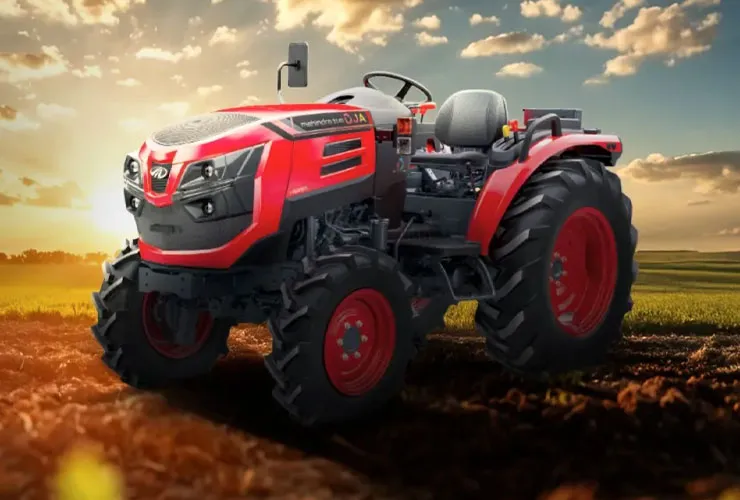
Mahindra’s farm equipment business accounts for 40 percent of its granted patents. That is not a small number. The company is still one of the world’s largest tractor makers by volume, and tractors remain central to its earnings and rural reach.
Patent activity in farm equipment is linked to areas such as drivetrains, hydraulics, fuel efficiency, implements, operator comfort, durability and precision farming. These may not get the same attention as electric SUVs, but they matter to Mahindra’s core business.
The split between automotive and farm patents also shows that the R&D push is not concentrated in one new business line. It is spread across the group’s main operating areas.
The patent growth also lines up with Mahindra’s larger spending on product development. The company has been launching and updating several major models in recent years, including the XUV700, Scorpio N, Thar, Thar Roxx, XUV 3XO, BE 6 and XUV 9e.
These products have brought major changes in structure, electronics, interiors, infotainment, safety systems and powertrain options. The XUV700 pushed Mahindra into a more tech-heavy space with ADAS and large displays.
The Scorpio N brought a new ladder-frame platform. The Thar Roxx expanded the Thar line into a more family-oriented SUV. The BE 6 and XUV 9e moved the company into born-electric products.

Mahindra is not the only company increasing R&D focus. Tata Motors has built the widest EV portfolio in the market and has a dedicated electric vehicle subsidiary. Hyundai has moved into mass-market EVs with products such as the Creta Electric. Maruti Suzuki is preparing to expand its hybrid and EV line-up, while Toyota continues to push strong hybrids.
This makes Mahindra’s patent growth more relevant. The next phase of competition will not be fought only through diesel engines, discounts or dealer reach. It will depend more on platforms, software, batteries, electronics, safety technology and fuel-efficiency solutions.
A higher patent count does not automatically guarantee better products. But it does show that Mahindra has increased the volume of original engineering work being protected legally.
The jump in conversion rate from 8 percent to more than 65 percent is a key detail. It suggests that Mahindra’s filings have become better targeted and better prepared over time.
A patent application needs to show that the idea is new and technically distinct. If too many filings are rejected, it usually means the ideas are weak, poorly documented or too close to existing technology. A higher grant rate means tighter internal screening and stronger legal and technical documentation.
For a company that now wants to compete in EVs, software-led vehicles, connected features and advanced safety systems, this is an important development. These are areas where intellectual property can become a long-term advantage.
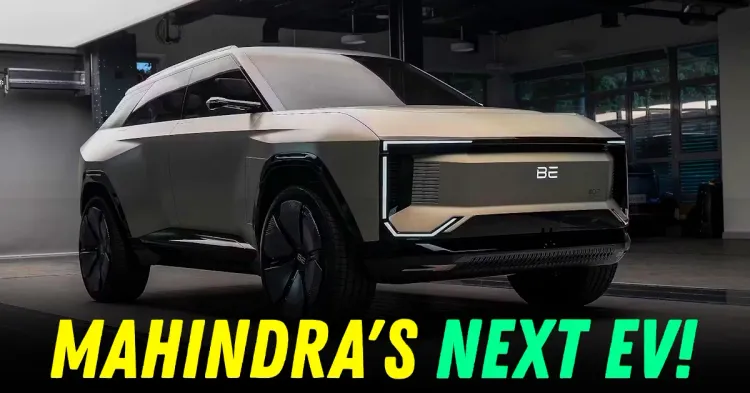
Mahindra’s patent numbers show a major rise in R&D activity, but the real test will be product execution. The company has a large pipeline coming over the next few years, including more electric SUVs, possible hybrid vehicles, updates to existing combustion-engine models and further expansion of the Thar and Scorpio families.
The patent data shows that Mahindra has been building more engineering depth over the past decade. What matters now is how much of that work turns into reliable, well-priced and well-supported vehicles.
For buyers, the impact will be visible only when the technology shows up in showrooms. For Mahindra, the 20-fold rise in granted patents shows that the company’s R&D operation is much larger and more active than it was ten years ago.
Comments are closed.