
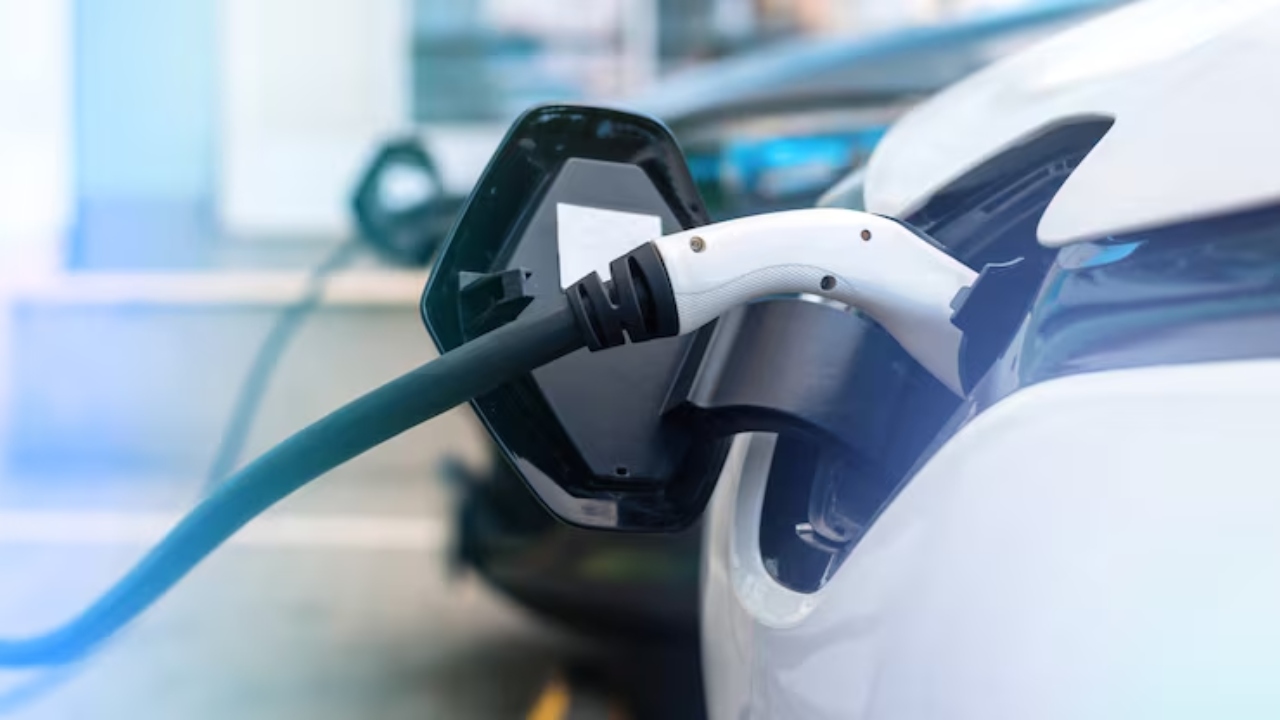
Big change in Delhi, electric vehicles will become cheaper with EV Policy 2.0, women can get more subsidy

EV subsidy India: To reduce the increasing air pollution and dependence on petrol and diesel in the capital Delhi, the government is rapidly promoting electric vehicles. In this context, the government is now preparing to implement Delhi EV Policy 2.0.
The aim of the new policy is to motivate more and more people to adopt electric vehicles so that pollution in the city can be reduced and the use of clean energy can be increased. The government believes that this step can completely change the transport system of Delhi in the coming years.
When can the new policy be implemented
The current electric vehicle policy in Delhi Delhi EV Policy 2020 was implemented in the year 2020. This policy has been extended from time to time and currently its validity has been extended till 31 March 2026.
Now the government has prepared the draft of the new EV Policy 2.0. At present the process of public suggestion and review is going on. It is expected that it can be implemented from FY 2026.
Target of major share of electric vehicles by 2027
The biggest goal of the new policy is to rapidly increase the number of electric vehicles in Delhi. According to the proposal, the government wants that by 2027, electric vehicles should have about 95 percent share in new vehicle registrations.
This target is much higher than the 25 percent set earlier. The government believes that this will not only reduce pollution but will also motivate people to adopt environment-friendly vehicles.
You will get big benefits on electric scooters and bikes
In the new EV Policy 2.0, there is a plan to promote electric two-wheelers the most. According to the proposal, one can get a subsidy of up to Rs 21,000 on purchasing an electric scooter or bike.
The special thing is that for women buyers this incentive can be increased to about Rs 30,000. The government aims to bring about 12 lakh electric two-wheelers on the roads of Delhi.
Those who buy electric cars will also get benefits
People buying electric cars can also get relief in the new policy. According to the proposal, depending on the battery capacity, an incentive of up to Rs 10,000 per kilowatt hour can be given. It is suggested to keep its maximum limit up to Rs 1 lakh per vehicle. This can make electric cars more affordable for the common people.
Also read: Before driving, know about Third Party Insurance, otherwise it may prove costly.
Preparation to convert old vehicles into electric vehicles
The government is also working on a new scheme under which assistance will be provided to convert old vehicles running on petrol or diesel into electric ones. If a person converts his vehicle to electric, he can get financial assistance of up to Rs 50,000. Initially this facility may be applicable for a limited number of vehicles.
A large network of charging stations will be ready
A large part of the new EV policy focuses on increasing charging infrastructure. The government is planning to install more charging stations at the mohalla level and create fast charging corridors on the Ring Road and Outer Ring Road. With this, people driving electric vehicles will not have to face the problem of charging and it will become easier to adopt EV.

Comments are closed.