
Major Setback For Pakistan’s Economy: Retail Sector Loses Rs 200 Billion In Just Two Weeks As Early Market Closures Slash Sales And Hurt Businesses

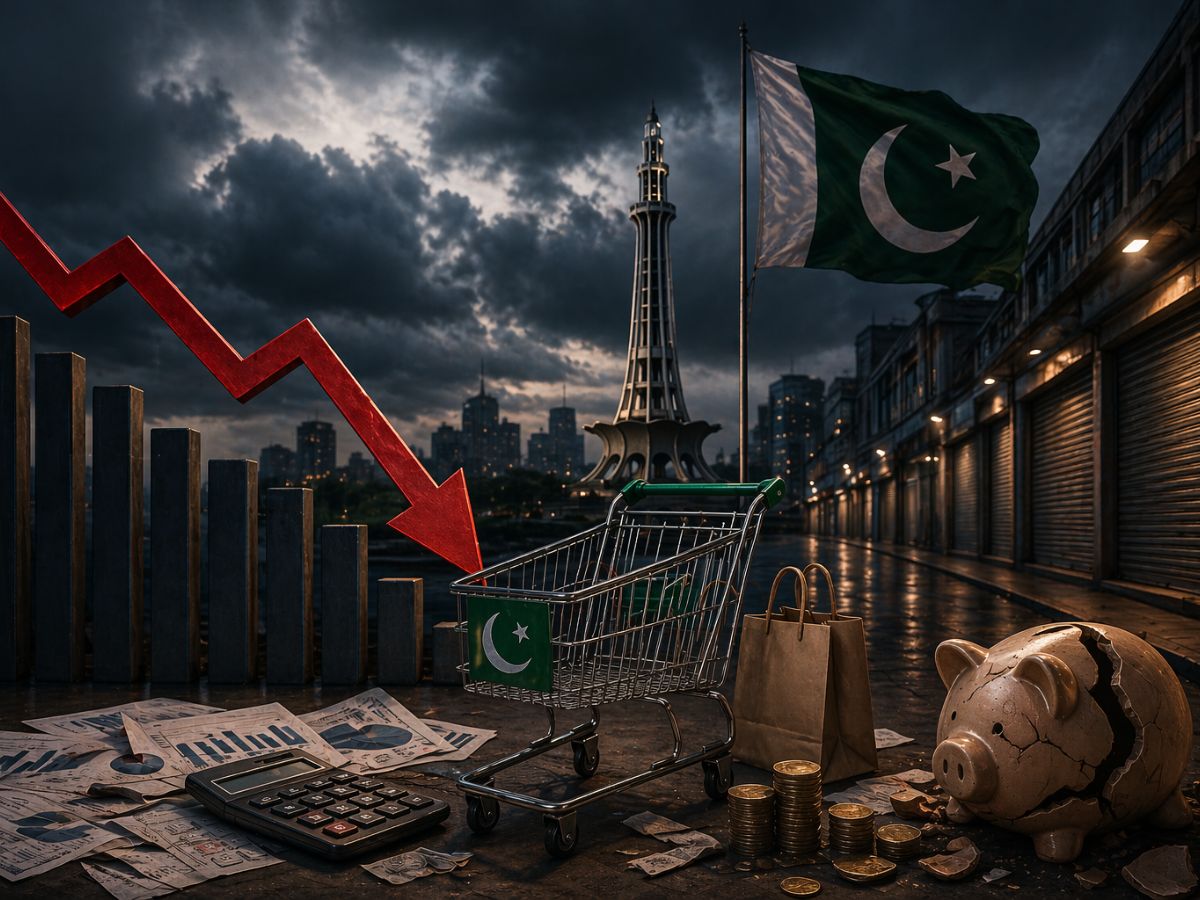
Pakistan’s retail sector is facing a sharp economic blow, with nearly Rs 200 billion in activity wiped out within just two weeks of enforcing early market closures. According to The Express Tribuneindustry leaders argue that the policy has disproportionately hurt formal, tax-paying businesses such as malls and chain stores, which continue to bear fixed costs like rent, salaries, and utilities despite reduced operating hours. They contend that the move has significantly cut into peak evening sales while offering minimal gains in energy savings, raising concerns over its overall effectiveness and long-term impact on the economy.
According to The Express Tribune, the Chainstore Association of Pakistan (CAP) has called on both federal and provincial governments to reconsider the nationwide directive mandating markets to close by 8 pm. In its appeal, CAP argued that the decision is particularly harmful to organised, tax-paying retailers such as malls and chain outlets that bear fixed operational costs, including rent, salaries, and utilities. Retailers claim that since the restrictions were imposed, daily sales have dropped between 25 per cent and 35 per cent.
The decline is largely due to the loss of peak shopping hours between 8 pm and 10 pm, a time when consumer activity in urban centres typically surges. CAP Chairman Asfandyar Farrukh noted that shopping habits in Pakistan are deeply tied to evening hours, and the policy is not altering consumer behaviour but rather pushing them away from documented retail channels. He also pointed out inconsistencies in enforcement, observing that while formal retail outlets must shut early, other sectors, including restaurants and informal businesses, continue operating late into the night. This uneven application, he argued, creates an unfair competitive environment.
Beyond the immediate economic contraction, CAP estimates that the government may have lost nearly Rs 50 billion in tax revenue in just two weeks. The retail sector contributes approximately Rs3 trillion annually in taxes, making it a vital pillar of the national economy. CAP Patron-in-Chief Tariq Mehboob further questioned the policy’s effectiveness in reducing energy consumption. He noted that commercial activity accounts for only about 8% of total electricity usage, suggesting that early closures may not significantly ease the energy burden, as cited by The Express Tribune.
He added that organised retail spaces are generally more energy-efficient, and shifting consumption to households could worsen inefficiencies. The move comes amid global energy uncertainties, including tensions linked to the US-Iran situation, with analysts cautioning that such policies may carry serious economic trade-offs, as reported by The Express Tribune.
(With ANI Inputs)
ALSO READ: Shameless Pakistan: Islamabad Locked Down For ‘Ghost’ US-Iran Talks To Please Trump, Citizens Left Stranded As Army Overtakes Capital City
Sofia Babu Chacko is a journalist with over five years of experience reporting on Indian politics, crime, human rights, gender issues, and stories about marginalized communities. She believes journalism plays a crucial role in amplifying unheard voices and bringing attention to issues that truly matter. Sofia has contributed articles to The New Indian Express, Youth Ki Awaaz, and Maktoob Media. She is also a recipient of the 2025 Laadli Media Awards for gender sensitivity. Beyond the newsroom, she is a music enthusiast who enjoys singing. Connect with Sofia on X:
The post Major Setback For Pakistan’s Economy: Retail Sector Loses Rs 200 Billion In Just Two Weeks As Early Market Closures Slash Sales And Hurt Businesses appeared first on NewsX.

Comments are closed.