
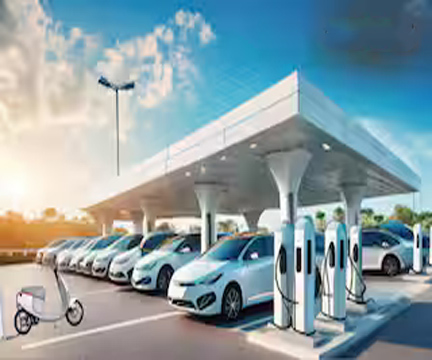
Big change proposed in EV policy in Delhi, share of electric vehicles possible in new vehicles is more than 65%

A major change has been proposed regarding the vehicle policy in Delhi, which may change the picture of transportation on the capital’s roads in the coming years. If the new electric vehicle policy is implemented, the share of electric vehicles (EVs) in new vehicles registered after 2028 could exceed 65%. The aim of the government through this policy is to reduce the increasing pollution in the capital, reduce fuel dependence and promote clean transportation system. In this direction, emphasis is being laid on accelerating electric mobility at the Government of India and state level, under which subsidy on EV purchase, expansion of charging station network and plan to promote electrification of vehicles are included. However, disagreement is also emerging at some levels regarding this proposal. Some sections of the industry believe that to achieve such a big target, more preparation will be required on issues like charging network, battery supply and cost.
Registration of only electric bikes from 2028
A big change may come regarding the proposed new electric vehicle policy in Delhi. According to the draft, registration of new petrol bikes in the capital can be completely stopped from January 2028. The direct impact of this step will be that 60 to 65 percent of the new two-wheelers registered every year can be electric two-wheelers. The objective of the policy is said to be to reduce pollution and promote clean transportation. Currently, the government is taking suggestions and objections on this proposal from the general public, automobile industry and other stakeholders. However, many people have also expressed concern about the possible ban on petrol bikes, especially regarding charging infrastructure, price and convenience of use.
According to government estimates, the contribution of vehicles in the total pollution of the capital is about 25 to 30 percent. In this, the share of two-wheelers i.e. bikes and scooters is estimated to be around 15 to 18 percent. For this reason, in the new EV policy, maximum emphasis has been given on converting these vehicles into electric ones. According to the proposed policy, registration of new petrol bikes can be stopped from January 2028. This would mean that after that time only the sale and registration of electric two-wheelers will be promoted. The government has also made it clear that petrol bikes purchased before 2028 will continue to run on the roads as before and there will be no ban on them. The government believes that if the two-wheeler sector is rapidly converted to electric, pollution can be reduced to a great extent. Because this segment is the most used vehicle class.
The number of vehicles in Delhi is continuously increasing, due to which the pressure on road transport and pollution is also increasing. According to the latest data, a total of more than 87 lakh vehicles are registered in the capital. These include about 59 lakh two-wheelers, which form a major part of the total vehicles. In the last two years alone, more than 10 lakh new two-wheelers have been added to the city, due to which the pressure of vehicles on the roads has increased further. Efforts are underway to promote electric vehicles in the capital, but their share is still limited. Currently, about 4.7 lakh electric vehicles (EVs) are registered, but the share of EVs in new two-wheelers is only about 6.75%. The number of private vehicles is continuously increasing. Two-wheelers remain the largest segment. EVs are growing, but the pace is relatively slow.
Reduction in expenses and relief to the environment from EV vehicles
In this sequence, Transport Minister Dr. Pankaj Kumar Singh has said that common people will get huge benefits by adopting electric two-wheelers. According to the minister, people will get double benefit from electric vehicles, firstly, huge reduction in fuel expenditure and secondly, reduction in pollution. He said that amidst the rising prices of petrol and diesel, electric two-wheelers are emerging as an affordable option, which will provide financial relief to the general public. Besides, the environment will also benefit due to reduction in emissions from vehicles. The government aims to accelerate the adoption of electric vehicles in the coming years, especially in the two-wheeler segment, where they are used the most.
Suggestions sought from public on EV policy, chance till May 10
To promote electric vehicles in Delhi, the government has released the draft of the new Electric Vehicle (EV) policy. Suggestions and objections have been sought from the common people on this draft till May 10. According to government data, there are currently about 4.71 lakh electric vehicles in the capital, which include e-rickshaws, e-autos, electric cars, buses and bikes.
Under the new policy, there is a proposal to provide subsidy on purchasing electric vehicles. Along with this, a plan has also been made to convert e-autos, e-bikes and school buses into electric mode in a phased manner. The main objective of this initiative is to reduce pollution and move the capital towards a clean transportation system. The government believes that this step can become a model not only for Delhi but also for other cities of the country.
Follow the LALLURAM.COM MP channel on WhatsApp

Comments are closed.