
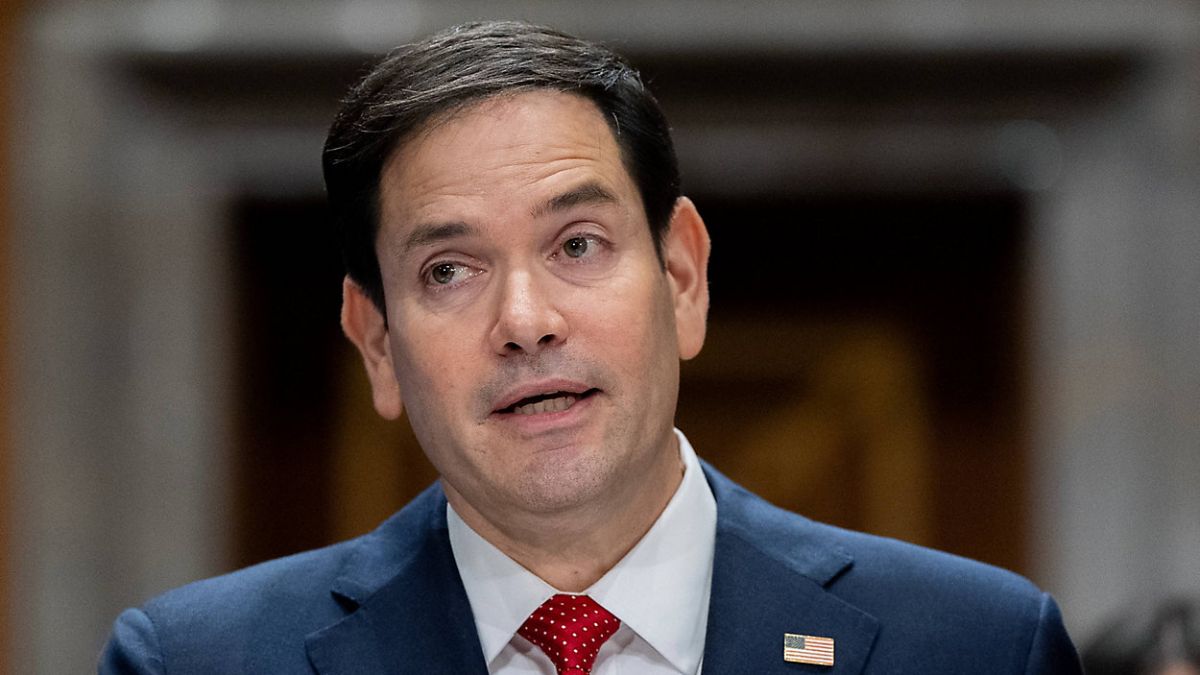
Marco Rubio signals possible Iran deal as US weighs tougher stance on Russian oil sanctions

The United States appears to be moving on two major geopolitical fronts at the same time.
Speaking about ongoing negotiations with Iran, US Secretary of State Marco Rubio said a deal could happen today, tomorrow, or next week. His remarks suggest that discussions between Washington and Tehran may be entering a crucial phase after months of uncertainty.
Rubio confirmed that the United States is actively engaged in talks with Iran. He also revealed that there is now a possibility that Iran has agreed to discuss parts of its nuclear program that it had previously refused to address. That development is being viewed as a significant breakthrough because disagreements over Iran’s nuclear activities have long been one of the biggest obstacles to any agreement.
Recent reports indicate that both sides have made progress, although officials have repeatedly stressed that important issues still need to be resolved before a final deal can be signed. Negotiations have focused heavily on Iran’s nuclear program, sanctions, and broader regional security concerns.
Iran nuclear talks show signs of progress
Rubio’s latest comments add to growing speculation that a diplomatic breakthrough may be closer than many expected.
According to recent statements from US officials, discussions with Iran have shown measurable progress in recent weeks. However, Washington has maintained that negotiations remain complex and that a final agreement is not guaranteed.
One of the most notable points from Rubio’s remarks was his suggestion that Iran may now be willing to negotiate aspects of its nuclear program that were previously off limits. If confirmed, that could help narrow some of the biggest differences between the two countries.
At the same time, Rubio noted that Iran’s conventional military shield has been substantially weakened. The comment reflects the changing security landscape in the Middle East and may influence the calculations of both sides as negotiations continue.
Russia oil sanctions waivers could face tighter restrictions
Alongside the Iran developments, Rubio also indicated that the United States wants to eliminate Russia oil sanctions waivers in the near future.
Such a move would represent another step in Washington’s effort to increase economic pressure on Russia. Sanctions waivers have allowed certain transactions and activities related to Russian oil under specific conditions. Removing those exemptions could tighten restrictions on global energy trade and potentially affect oil markets.
Energy traders are closely monitoring these developments because changes to sanctions policy can influence global supply expectations and commodity prices.
What happens next?
For now, attention remains focused on whether the United States and Iran can turn ongoing discussions into a formal agreement.
Rubio’s comments suggest that negotiations are active and moving forward, but officials continue to caution that difficult issues remain unresolved. Even if a preliminary agreement is reached, many details would still need to be worked out before a long term settlement becomes reality.
At the same time, any decision to remove Russian oil sanctions waivers could add another layer of uncertainty to global energy markets.

Comments are closed.