
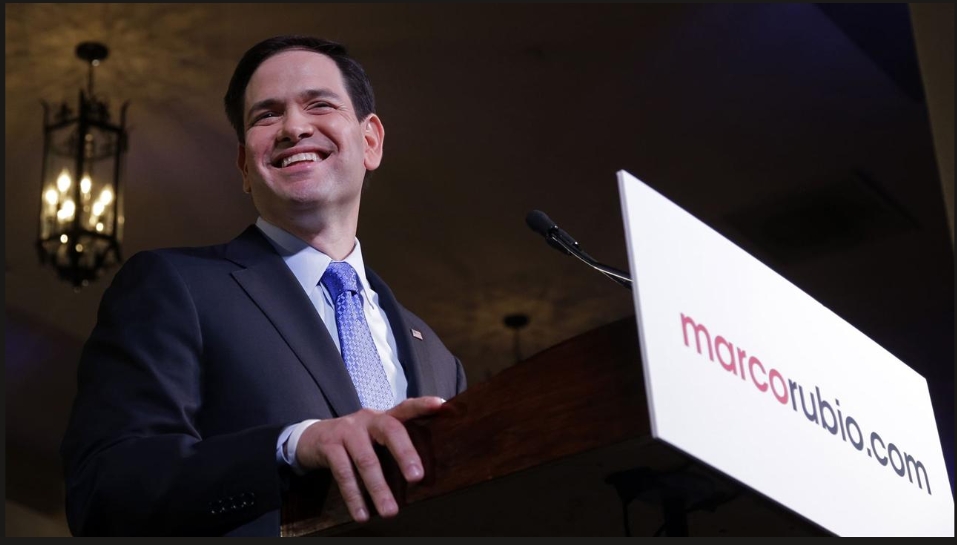
Marco Rubio talks about the new century, questions the cost of Europe coming closer to America

Rubio called on Europe to reject post-Cold War “illusions” such as the “end of history”, unfettered liberal democracy and globalization without borders, which he said lead to recklessness. He emphasized three essentials: rolling back “failed liberal policies,” curbing **mass migration** (which he described as a threat to the social unity, cultural continuity, and future of Western peoples), and rebuilding industrial strength to reduce dependence on China, including securing Western supply chains for vital minerals. He criticized energy policies as increasing poverty and appealed to move forward together in frontiers like AI, commercial space and Global South market competition.
This speech received a standing ovation. It echoed the Trump administration’s National Security Strategy warnings about a “civilizational erasure” in Europe and Vice President J.D. Vance’s scathing 2025 Munich speech, which criticized European “liberal values.”
European responses were cautious but generally welcomed the softer tone than in previous years. **European Commission President Ursula von der Leyen** said she was “very confident,” noting Rubio’s call for “a strong Europe in the Alliance,” while also acknowledging the tough tone elsewhere in the administration. He stressed that an independent, strong Europe benefits the Transatlantic Partnership. **French Foreign Minister Jean-Noël Barrot** welcomed the mention of a common heritage but affirmed “a strong and independent Europe”. **German Foreign Minister John Wedfull** called Rubio a “true partner” who focuses on a rules-based system. **Elina Valtonen** of Finland expressed satisfaction with the tone and substance.
Amid the war in Ukraine and concerns about US credibility, many European governments are already moving toward tighter migration controls (e.g., Denmark’s strict asylum rules) and higher defense spending. Rubio’s speech called for partnership but on the terms of national sovereignty and cultural pride, sparking a debate over alignment versus opposition to Washington’s assertive framing.

Comments are closed.