


Maruti Suzuki is not rushing to expand domestic e Vitara production, even though bookings for its first electric SUV have doubled in May. The company has indicated that domestic supplies of the eVitara will remain constrained until around August or September 2026. For now, monthly domestic availability is expected to stay limited, even as interest in electric vehicles rises after the recent fuel price hikes.
The reason is not that Maruti is ignoring EV demand. The reason is that CNG demand has moved even faster. Maruti’s CNG vehicle volumes touched a record 78,000 units in May 2026, growing 40 percent year on year.
Daily bookings for CNG models have risen sharply after Prime Minister Narendra Modi’s May 11 call to reduce petrol and diesel consumption. For a company that already dominates factory-fitted CNG cars, this is a more immediate volume opportunity than EVs.

The attraction of CNG is simple. It offers a lower running cost than petrol without asking buyers to change their driving or refuelling habits in a major way. For a mass-market brand like Maruti, that matters more than technology novelty.
The WagonR is a clear example. Around half of its buyers are now choosing the CNG variant. This is not a niche trend restricted to fleet buyers. It is entering regular household purchase decisions, especially among buyers who use their cars daily and are highly sensitive to monthly fuel bills.
Maruti also has the advantage of scale. Its CNG portfolio is wide and already established. Models such as the Alto K10, WagonR, Celerio, Swift, Dzire, Baleno, Fronx, Brezza, Grand Vitara, XL6, Ertiga and Victoris give the company coverage across hatchbacks, sedans, MPVs and SUVs. That means Maruti does not need to wait for a new platform or new dealer process to tap the demand. It can simply increase allocation to proven CNG products.
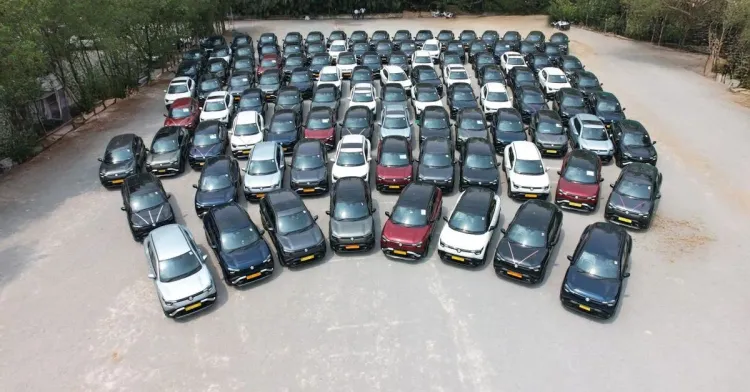
The e Vitara is not being ignored. Bookings rose to 4,000 units in May from about 2,000 in April. That is a meaningful increase for a new electric SUV sold through Nexa outlets, especially in a market where Maruti has not previously had a pure electric model.
The problem is supply. Maruti has said domestic availability will remain tight until August or September. The e Vitara is also not a India-only product. It is part of Suzuki’s global EV strategy, and a portion of production is meant for export markets. That limits the number of units available for domestic buyers in the early phase.
This creates an unusual situation. Maruti finally has an EV that buyers are considering seriously, but it cannot yet open the supply tap fully. That gives rivals a window.
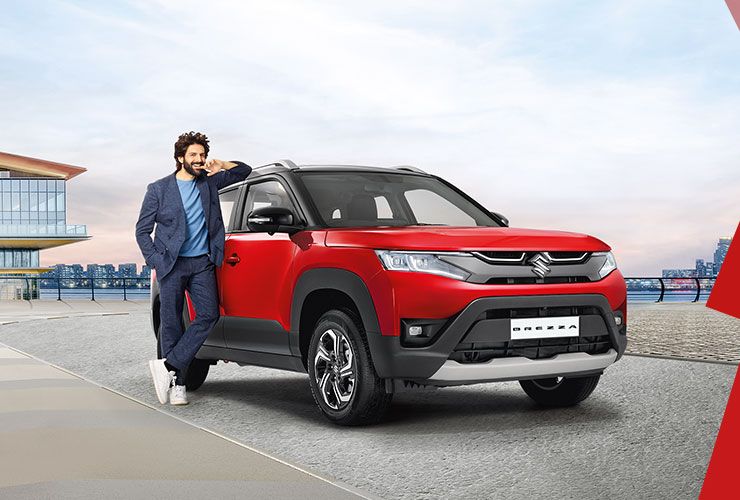
Maruti’s new Kharkhoda plant in Haryana began production on May 18, 2026. The plant adds 2.5 lakh units of annual capacity and gives the company more flexibility in meeting demand across its portfolio.
But this capacity is more useful immediately for petrol and CNG models than for the e Vitara. Maruti is using the new capacity to address demand in high-volume segments, including small cars and SUVs. The benefit is still important because it frees up room across the production network. However, it does not instantly solve the EV supply issue.
That is the key difference between CNG and EVs for Maruti right now. CNG is already integrated into Maruti’s mass-market manufacturing system. EV production needs a more specific ramp-up around battery supply, platform allocation, export planning and dealer readiness.
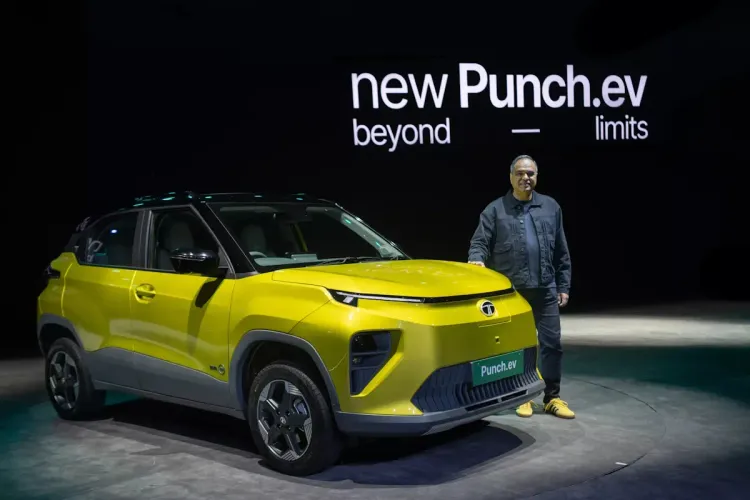
The competitive risk is real. Tata Motors and Mahindra are pushing hard in EVs. Tata already has a broader electric portfolio, including the Tiago EV, Punch EV, Nexon EV, Curvv EV and Harrier EV. Mahindra is building momentum with its born-electric SUVs. MG also remains active in the EV space with models such as the Comet, Windsor and ZS EV.
A buyer who wants an EV now may not wait several months for the eVitara. If the booking-to-delivery gap becomes too long, some customers could shift to a Nexon EV, Punch EV, Creta Electric, Windsor EV or Mahindra BE model.
Maruti’s bet is that the eVitara brand pull, Nexa network and Suzuki reliability image will keep enough buyers waiting. At the same time, CNG will protect volumes while EV supply is being prepared.
This is not a sign that Maruti has lost interest in EVs. It is a sign that the company is prioritising the powertrain that is converting into immediate mass-market sales.
CNG solves a present problem. Petrol and diesel prices have risen sharply, and buyers want relief now. EVs also solve the running-cost problem, but they come with charging concerns, higher upfront prices and limited model availability. CNG feels like a lower-risk switch for many Maruti customers.
That explains the production logic. The eVitara is important for Maruti’s future. CNG is important for Maruti’s current month. In a market where the company is taking around 10,000 bookings a day and holding a large order backlog, the immediate allocation decision is purely mathematics, not emotional.
Via LiveMint
Comments are closed.