
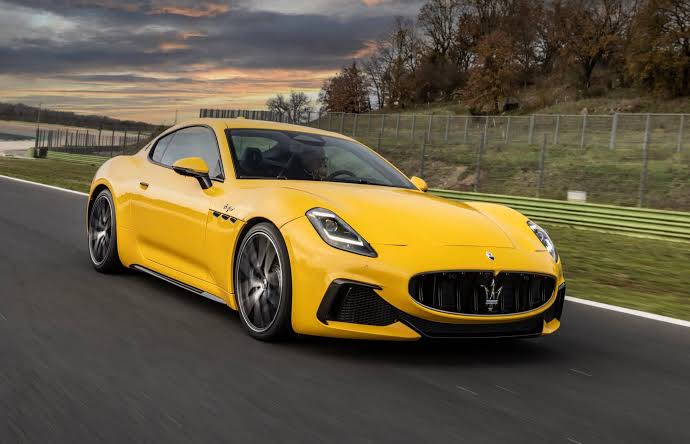

Maserati Sales Collapse Deepens in 2025
Maserati’s struggles are no longer a quiet concern—they’re front and center. The Italian luxury automaker reported global sales of just 11,127 units in 2025, marking a sharp fall from 26,689 units in 2023. That’s a staggering drop of nearly 58 percent in just two years.
To put things into perspective, Maserati was once riding high in 2017, selling close to 49,000 cars annually. What we’re seeing now isn’t just a dip—it’s a prolonged slide that’s raising serious questions about the brand’s direction within Stellantis.
A Perfect Storm of Challenges
So what’s driving this decline? Maserati points to multiple factors, and none of them are small.
Demand for the Grecale SUV—expected to be a volume driver—has been weaker than anticipated. Add to that rising tariffs in the United States and declining interest in Western luxury brands in China, and the situation starts to look like a perfect storm.
But here’s the thing: external pressures only tell part of the story.
Product Decisions That Backfired
Maserati’s own decisions have also played a role. The discontinuation of key models like the Ghibli and Quattroporte in 2023, followed by the Levante SUV in 2024, left major gaps in its lineup.
That’s not a minor issue. The Levante, in particular, was a significant contributor to volume sales.
There’s also the emotional factor. When Ferrari stopped supplying V8 engines, Maserati lost a bit of its soul in the eyes of enthusiasts. The shift toward four-cylinder engines didn’t help either, even if it made sense on paper.
The company has since course-corrected by introducing its in-house Nettuno V6 engine across more models, but rebuilding perception takes time.
Branding Problem or Product Problem?
Former Stellantis CEO Carlos Tavares had a blunt take: Maserati’s biggest issue isn’t the cars—it’s the marketing.
According to him, the brand lacks clear positioning. Maserati isn’t just about performance; it’s about lifestyle, elegance, and the idea of “dolce vita.” That message, however, hasn’t been communicated effectively.
And that matters. In today’s luxury market, perception often drives purchase decisions just as much as product quality.
What Comes Next for Maserati?
There are signs of a reset. Maserati is expected to work more closely with Alfa Romeo to share development costs and streamline operations. This could help improve margins and accelerate new product launches.
Fresh models are also on the horizon. A next-generation Levante is expected around 2027, followed by a new Quattroporte that may replace both the current Quattroporte and the discontinued Ghibli.
There’s even talk of bringing back manual transmissions in limited-run models—a move aimed more at brand building than volume recovery.
A Tough Road Ahead
The reality is, Maserati is operating in a brutally competitive space. Chinese automakers are rapidly moving upmarket, offering feature-rich luxury vehicles at significantly lower prices. At the same time, established rivals continue to double down on electrification and innovation.
For Maserati, survival won’t come from nostalgia alone. It will require sharper pricing, clearer positioning, and products that truly stand out.
One thing is certain Stellantis is watching closely. With reports suggesting a review of all 14 brands in its portfolio, Maserati’s future may depend on how quickly it can turn things around.

Comments are closed.