


In a move that feels more sci-fi than corporate strategy, Meta Platforms is turning to space for energy. The tech giant has signed an agreement with Overview Energy to tap into space-based solar power for its data centers by the end of the decade—marking one of the boldest energy bets by any Big Tech company yet.
Credits: NewsX
Harvesting Solar Power from Orbit
Overview Energy is building a system designed to collect solar energy in space and beam it down to Earth. Unlike terrestrial solar farms that rely on sunlight availability and weather conditions, space-based systems can operate continuously, generating power 24/7.
The company plans to launch an initial orbital demonstration by 2028, with commercial-scale energy delivery expected by 2030. If successful, this could solve one of renewable energy’s biggest challenges—intermittency—and unlock a stable, always-on clean energy source.
A Gigawatt-Scale Bet
As part of the deal, Meta has secured early access to up to 1 gigawatt of power capacity from Overview Energy’s system. To put that into perspective, 1 gigawatt can power hundreds of thousands of homes, or in this case, fuel massive data center operations.
While financial details were not disclosed, the scale of the agreement signals how aggressively Meta is planning for its future energy needs. The company is not just experimenting—it is committing to a potentially transformative technology.
The AI Boom Is Power-Hungry
Behind this move lies a simple reality: artificial intelligence is consuming enormous amounts of energy. From training large language models to running real-time AI services, the demand for computing power—and therefore electricity—is skyrocketing.
Meta, like its Big Tech peers, is in the middle of a data center expansion race. As AI adoption accelerates, traditional power grids are coming under pressure, forcing companies to explore alternative energy sources that are both reliable and sustainable.
Building the Infrastructure of Tomorrow
Meta’s energy needs are tied closely to its ambitious infrastructure plans. The company is building several gigawatt-scale data centers across the United States, including a massive project in Louisiana. According to Donald Trumpthe project could cost up to $50 billion and span an area comparable to a significant portion of Manhattan.
Projects of this magnitude require unprecedented levels of energy. Space-based solar, if it works, could become a cornerstone of powering such mega facilities.
Beyond Solar: A Diversified Energy Strategy
Meta isn’t putting all its bets on one technology. The company has been actively building a diversified energy portfolio, including partnerships with View, OKand TerraPower.
These collaborations have already positioned Meta as one of the largest corporate buyers of nuclear power globally. By adding space-based solar into the mix, the company is hedging its bets across multiple next-generation energy solutions.
A Glimpse Into the Future
While the concept of beaming energy from space may still sound futuristic, Meta’s agreement with Overview Energy suggests that the future may arrive sooner than expected. If the technology proves viable, it could reshape not just how tech companies operate, but how the world generates and consumes energy.
For now, the plan remains ambitious and carries execution risks. But one thing is clear: as AI continues to reshape industries, the race to power it is becoming just as critical—and just as innovative.
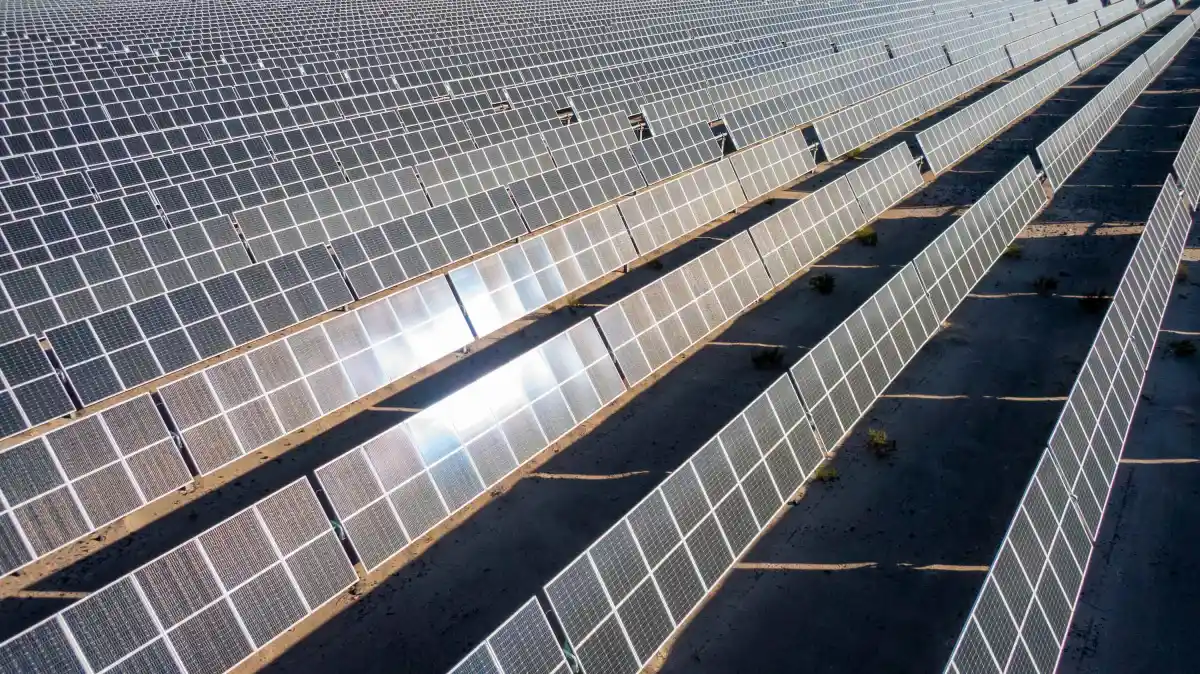
Credits: Tech Crunch
Conclusion: Powering the Next Frontier
Meta’s bet on space-based solar power is more than just an energy deal—it’s a signal of where the future is headed. As AI continues to drive unprecedented demand for computing power, companies like Meta Platforms are being pushed to rethink how energy is generated and delivered. Partnering with Overview Energy places Meta at the cutting edge of that shift, even if the technology is still unproven at scale. If successful, this move could redefine clean energy by making it constant, scalable, and globally accessible—turning what once seemed like science fiction into a critical backbone of the digital economy.

Comments are closed.