
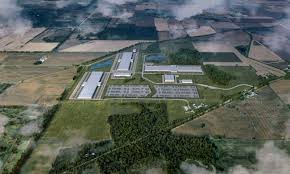

The fight over AI data centers has moved from online debates to small towns across America. In places like Saline Township, Michigan, residents are no longer arguing about AI tools. They are fighting the physical systems that power them.
The latest example is the $16 billion Stargate AI data center tied to OpenAI and Oracle. The project is part of the larger Stargate plan, a massive effort to build the computing infrastructure needed for future AI systems. Yet for many people living near these sites, the project feels less like progress and more like a threat to their community.
Saline Township is a small rural area in Michigan’s Washtenaw County. Residents raised concerns that have become common in towns facing large AI projects. They worried about heavy water use, strain on the power grid, rising traffic, and the loss of farmland. Many also feared the long-term impact of turning quiet agricultural land into an industrial complex filled with servers and cooling equipment.
AI, Ambition, and the Battle for a Township’s Future
At first, locals believed they had stopped the project. The township board voted 4-1 against rezoning the land for the facility. But that victory lasted only days. The developers, Related Digital and the landowners, sued the township. They argued that the rejection was unfair because the township had no industrial-zoned land available.
Soon after, the township settled the case, and construction moved forward.
That outcome has left many residents frustrated. For them, the vote showed local opposition clearly. Yet the project advanced anyway because of legal pressure and the economic weight behind the AI industry.
The developers did offer concessions. The township secured about $14 million in community benefits. Some of that money will support farmland preservation and local emergency services. Environmental rules were also added to limit water use.
Related Digital says the facility will rely on a closed-loop cooling system instead of evaporative cooling. That matters because evaporative systems consume huge amounts of water each day. Closed-loop systems recycle most of the water, which reduces ongoing demand.
Still, the larger issue remains power.
The site is expected to draw around 1.4 gigawatts of electricity from DTE Energy. That amount is close to the output of a nuclear power plant. Critics fear that demand from AI facilities could push electricity prices higher or force utilities to expand fossil fuel generation.
Michigan Becomes a Battleground for AI Infrastructure
Developers argue the opposite. They claim the infrastructure paid for by Oracle could strengthen the regional grid and spread costs across more customers. Some officials remain skeptical. Even Michigan Attorney General Dana Nessel’s office has questioned whether current protections go far enough.
The backlash in Michigan shows how fast resistance to AI infrastructure is growing. At least 19 municipalities across the state have already introduced temporary bans or pauses on new data center projects. State lawmakers have also proposed a one-year statewide moratorium, though major political leaders oppose the measure.
The tension reflects a wider national problem. AI companies need enormous amounts of computing power. That means more land, more electricity, and more cooling systems. The scale is unlike earlier waves of tech expansion.
Communities across the United States are starting to push back.
Rural Towns vs. Big Tech’s Growing Footprint
In Texas, data center construction has reportedly delayed housing projects because contractors hired away skilled electricians. In Missouri, voters removed several city council members after officials approved a $6 billion AI data center project. In Oregon, concerns have grown around reports linking a nearby Amazon data center area to rare cancers and miscarriages, though researchers continue to study those claims.
Many residents feel the tradeoff does not benefit them directly. Data centers often create few permanent jobs once construction ends. One JPMorgan facility received a $77 million tax break while reportedly creating only one lasting position.
That imbalance fuels resentment. Local communities deal with noise, traffic, land changes, and pressure on utilities while large technology companies gain the computing power needed for profitable AI systems.
Supporters of AI infrastructure argue these facilities are necessary. Modern AI models require vast computing resources, and demand keeps rising. Without new data centers, future systems may become too expensive or too slow to operate at scale.
But opponents believe the industry is expanding faster than public oversight can keep up.
The battle in Saline Township may become a model for future conflicts. AI companies have money, legal resources, and political influence. Small towns often do not. As more projects appear across the country, communities will likely keep asking the same question: who benefits most from the AI boom, and who carries the cost?

Comments are closed.