
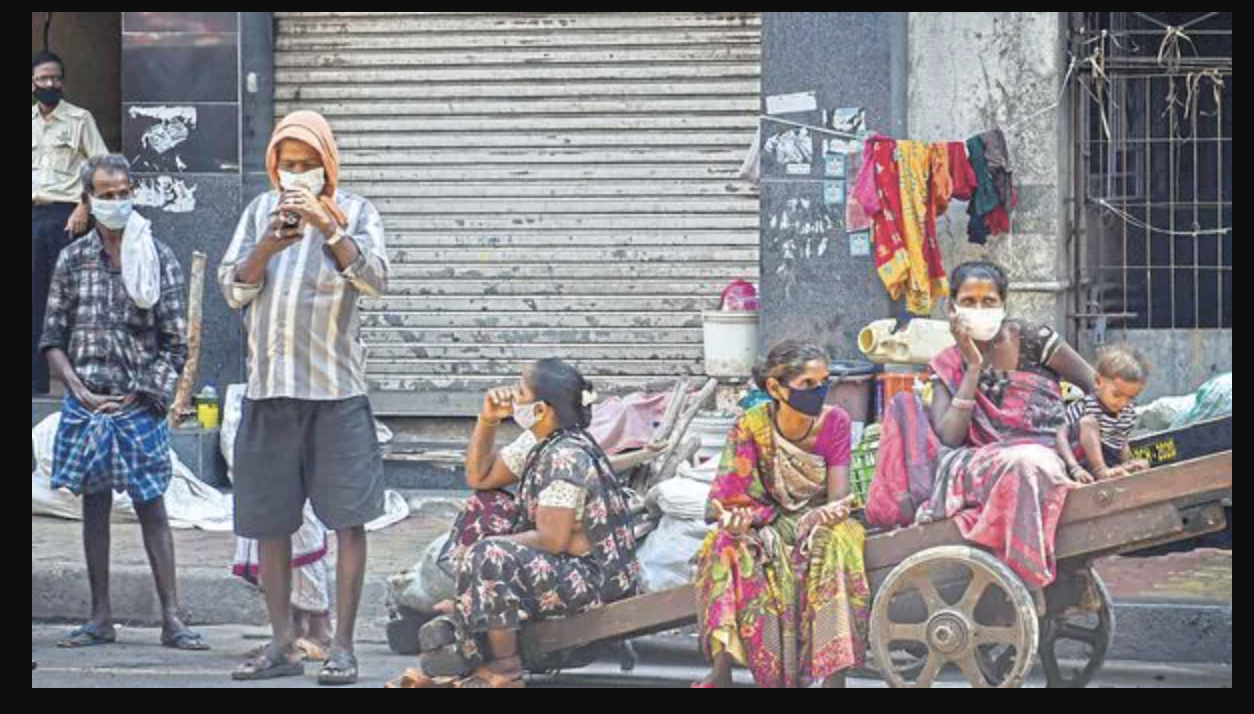

An almost invisible but growing trend in Mumbai shows migrant workers quietly leaving the city due to an LPG shortage, a reality most visible at railway stations rather than workplaces.
For instance, a factory worker returned to the city after a short break but left again within days because he could not access cooking gas and could not afford daily meals outside.
Mumbai’s LPG Crisis Triggers Quiet Outflow of Migrant Workers
Over five days, reporters tracked outbound trains to states like Uttar Pradesh, Bihar, and West Bengal, which are major sources of migrant labour.
During this period, interviews with 130 migrants revealed that nearly half were leaving specifically due to the gas shortage.
The root cause lies in supply disruptions linked to the West Asia conflict, which has driven LPG prices in the black market to extreme levels.
Moreover, many migrants lack the documentation required for official gas connections, leaving them dependent on expensive and unreliable alternatives.
As food costs rise and savings shrink, returning home becomes a practical decision rather than a desperate escape.
Unlike the pandemic-driven exodus, this movement is more calculated, with workers intending to return once conditions improve.
Rising Costs and Fuel Shortage Push Migrants to Reconsider Life in Mumbai
Some migrants are also travelling for personal reasons like elections, weddings, or family visits, but the lack of cooking fuel remains a dominant factor.
Kusum Gupta stated, “I don’t have the energy to purchase wood and coal for cooking. It is too tedious a process.”
Similarly, Sahil Shaikh shared, “I am weary after battling so many struggles in Mumbai,” highlighting the cumulative toll of repeated hardships.
Others described rising food prices, with one worker noting that even basic meals had doubled in cost, making survival difficult.
In cramped living conditions, alternatives like firewood are not feasible, as one migrant explained, “Back home, I can rely on firewood or coal… but this isn’t possible” in the city.
Even those with proper documentation have failed to secure gas, showing that the issue extends beyond access to an actual supply shortage.
Meanwhile, some workers continue to wait in long queues, often for days, only to return empty-handed.
The situation is so severe that people sleep on roadsides just to maintain their place in line for gas cylinders.
This waiting comes at a cost, as workers lose daily wages while trying to secure basic necessities.
Families are also affected, with some parents feeding children biscuits due to the lack of cooking fuel.
Consequently, frustration is growing, with one worker stating, “This gas cylinder is our only lifeline.”
Finally, gas agencies have tightened distribution rules, but limited supply—often far below demand—continues to leave hundreds waiting with no guarantee of acces

Comments are closed.