


According to data from ProCare Therapy, one of the country’s top sources of school-based therapy, screen time has deprived kids today of 4 once-basic skills that millennials were likely the last generation to be proficient in.
Certain skills were considered quite basic for kids to learn as they grew up, like using their imagination or simply being able to cut a straight line with a pair of scissors. These were skills learned both at home and at school. But as technology has continued to advance and kids spend more time on screens than ever before, many of these once-basic skills are fading into obscurity.
Millennials might be the last generation to have these 4 once-basic skills kids today struggle with:
1. Frustration tolerance
Students today are shutting down completely when a task isn’t offering instant feedback. When an answer isn’t immediate, they don’t have the patience to wait.
Millennials, on the other hand, grew up waiting. Delayed gratification was part of their lives growing up. That constant practice helped build a level of frustration tolerance that’s harder for kids today to experience, because everything is now built on immediacy.
Rido | Shutterstock
Teachers today have repeatedly reported that students become visibly overwhelmed when they don’t immediately understand directions. Kids will freeze up or disengage completely. Considering an estimated 49% of parents rely on screen time every day to help manage parenting responsibilities, it’s not surprising that children are struggling with this skill. It’s not laziness, it’s just their nervous system hasn’t had any practice waiting.
2. Fine motor skills
Children using screens all the time are not only affecting their mental and emotional well-being but also getting in the way of their fine motor skills. Constantly touching a screen isn’t building the dexterity and coordination that writing or drawing would. This has resulted in kids who struggle with basic things like tying their shoes, but it goes beyond that. It’s also linked to basic learning because the more difficult a task, the more frustrating, and kids today already lack a tolerance for frustration, so they simply give up on trying.
It means early elementary school kids are struggling to even hold a pair of scissors or form letters. Millennials in school at a young age were cutting, coloring, tracing, and handwriting all of the time.
They were filling out worksheets and even practicing their cursive writing. All that hands-on repetition strengthened the muscles in their hands. Those tiny movements followed them into adulthood, and while it may not seem important, they went hand in hand with gaining independence.
3. Paying attention
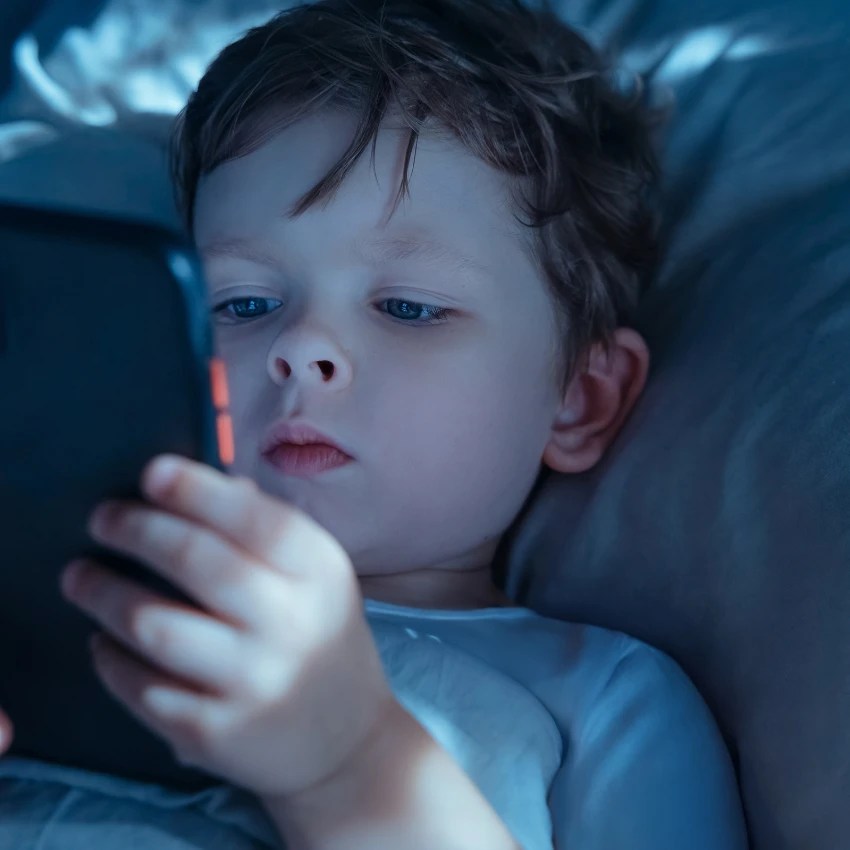
Today, kids’ attention is being pulled in various directions. Kids can swipe away from anything that feels slow within seconds. It means their brains are getting used to not having to pay attention for long periods, rather than actually learning the skill of deep focus.
 Arsenii Palivoda | Shutterstock
For millennials, this skill was built into their daily lives. If they wanted to watch a show as kids, they had to sit through the commercials. If they were bored, they stayed bored until they figured out something that could occupy their time. There weren’t endless tabs open on their phones to capture their attention as there are for kids now.
4. Imaginative play
According to a survey from Elmer’s, researchers found that 80% of parents said their kids were more likely to watch TV outside of the classroom and childcare settings. Only about two-thirds reported that children were more inclined to play with toys (67%) or siblings and friends (62%). Kids are relying on structured entertainment from their screens rather than being able to create fun on their own.
All the pre-packaged entertainment means kids have less room to create something from scratch. Millennials grew up inventing games with friends to play around the house or in their neighborhoods. They made up stories, songs, and elaborate rules for playground games on the spot. That kind of play helped nurture their creativity, but kids today aren’t getting the same luxury.
Nia Tipton is a staff writer with a bachelor’s degree in creative writing and journalism who covers news and lifestyle topics that focus on psychology, relationships, and the human experience.

Comments are closed.