
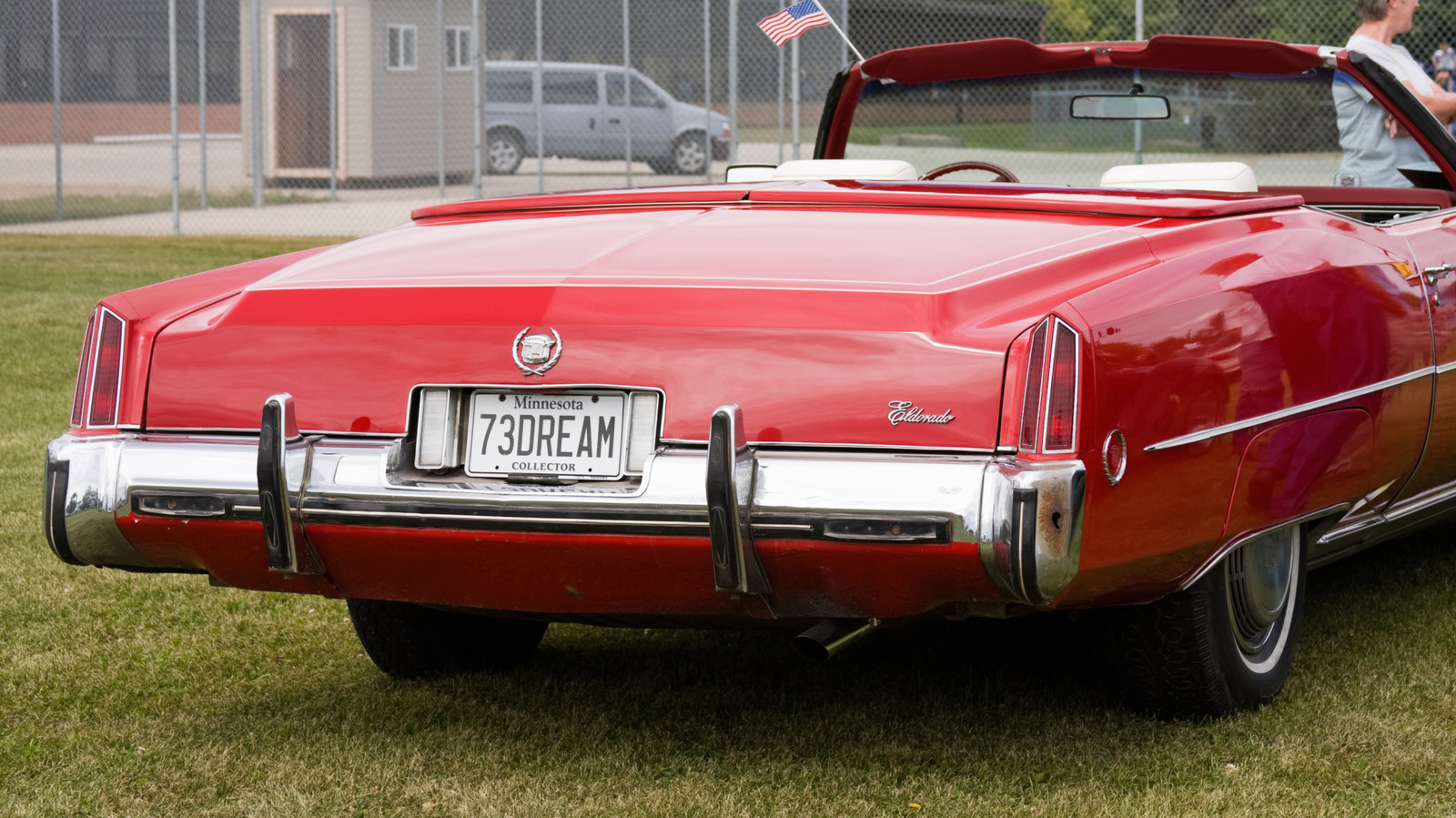

Some people might look at cars — and the automotive hobby itself — as an escape from the constant political debates and arguments that seem to be everywhere in modern life. However, the reality is that politics are often heavily tied to both the industry itself and cars as a hobby.
Mandates, laws, and regulations related to safety systems, fuel economy standards, fuel types, and even a vehicle’s country of origin have all been part of federal politics in the past, and will likely feature in the future, too. Likewise, hobbyists and classic car owners sometimes need to argue their cases to state governments to protect or expand their hobby. For example, Jay Leno has been leading an effort in California since 2025 to have the state amend some of the notoriously restrictive smog laws that make classic car ownership difficult and expensive.
The Golden State, however, is not the only place where classic car owners face restrictions. In Minnesota, a new bill aimed to limit the use of classic cars registered with the state’s collector plates — including potentially prohibiting owners from driving them on weekdays or at night. Naturally, this has caught the attention not just of classic car owners in Minnesota, but of observers nationwide. Thankfully for Minnesotans, however, the bill looks to have stalled out before getting to a vote.
One state with many plates
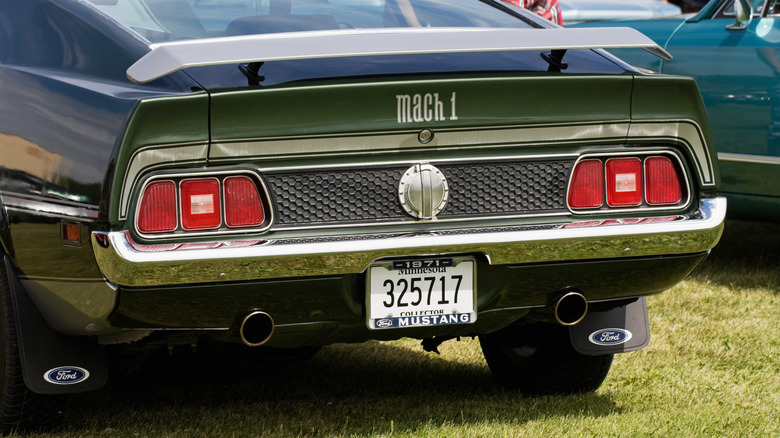
While it’s entirely possible — and potentially very enjoyable — to have a classic car as a daily driver, there are lots of pros and cons of daily driving a vintage vehicle, not least the cost of ownership. Minnesota, however, offers drivers some help here, with a few different collector plate options available depending on a vehicle’s age, all of which exempt the owner from annual registration fees. At the very least, Minnesota collector plates require a car to be at least 20 years old and for the owner to have another vehicle with standard plates. As stated in the current law, owners are also not to use cars with collector plates for daily transportation.
The new bill, HF3865, wanted to tighten these restrictions so that collector-plated vehicles could only be operated during daylight hours on Saturdays and Sundays, or specifically during collector club activities or parades. Now, the amendment might be understandable on the surface if its purpose was to clarify what does or doesn’t constitute daily transportation. It could also be useful if there were concerns over vehicle owners abusing the privileges that come with the plates. But some classic car owners fear it represents a significant encroachment on the hobby and could be a gateway for additional laws in the future.
The worst likely won’t come to pass
The bill’s wording would mark a huge departure from Minnesota’s current law, theoretically making it illegal to take a collector-plated car out for a casual Friday evening cruise or a Tuesday afternoon test run after replacing a part. The issue, of course, is that both scenarios are pretty common for classic car owners, especially those who spend their weekdays wrenching. More broadly, though, the concern is also less about the specifics of this one bill. Instead, it’s the seeming trend of lawmakers scrutinizing and attempting to legislate classic car and auto enthusiast hobbies that has this bill in the headlines.
Fortunately for classic car owners in Minnesota, the bill may not become law, as it has been stuck in Committee since early March, 2026. Opponents of the bill are likely hoping that lawmakers get caught up with more pressing matters than limiting which days classic car owners can drive their vehicles, causing HF3865 to sputter out before a vote. There are already many things to consider before buying a classic car, and on top of all the other expenses that come with the hobby, having strict rules on use are something most vintage car owners would prefer not to deal with — regardless of which state they live in.

Comments are closed.