
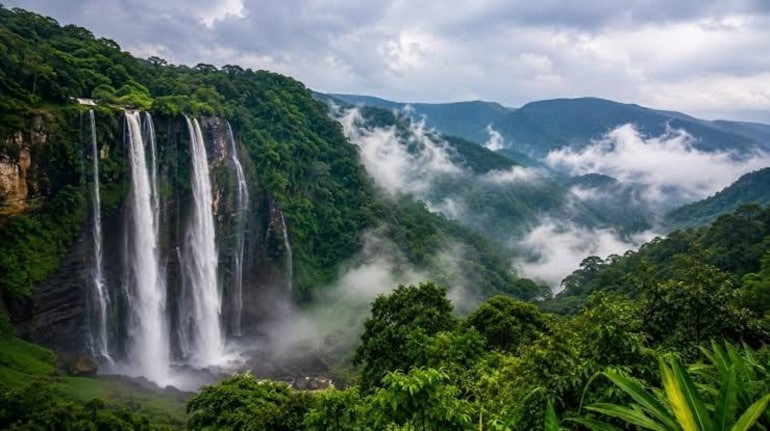
Monsoon Travel Guide: These 6 places become paradise like beautiful but extremely dangerous during monsoon; Read these safety tips before planning a trip

The truth is that as soon as the first showers of monsoon fall, the natural valleys and hilly areas of India get covered with a blanket of greenery. The mist covered mountains, flowing waterfalls and tea plantations look like a fairyland. But, this pleasant weather can also create a big problem for adventure and trip lovers. In hilly and extremely rainy areas, during monsoon, your beautiful trip can turn into a scary experience due to torrential rains, severe landslides, flash floods, road subsidence and cloud bursts. If you are also planning to visit the mountains in this monsoon season, then know in detail about these 6 sensitive places and necessary precautions. Think a hundred times before visiting these 6 tourist destinations. 1. Cherrapunji and Mawsynram (Meghalaya) These two twin regions of Meghalaya are famous for recording the highest rainfall in the world. During monsoon, it rains so heavily that the mountain roads become extremely slippery and visibility reaches zero. Key Attractions: Double Decker Living Root Bridge, Nohkalikai Falls and Mawsamai Caves. Special caution: Do not go near swollen rivers and fast flowing waterfalls. Wear trekking shoes with strong grip to walk on the paths. 2. Darjeeling (West Bengal) Darjeeling, famous for tea gardens and Kanchenjunga hills, looks very beautiful in monsoon, but the soil here slips very quickly. During heavy rains, toy train routes and national highways are often closed due to huge stones falling from the mountains. Key Attractions: Tiger Hill, Batasia Loop, Himalayan Railway (Toy Train) and Peace Pagoda (Peace Stupa). Special Caution: Always keep your travel plan flexible so that you do not face any problem if you have to stay in the hotel for a long time due to road closure. Completely avoid driving at night. 3. Munnar and Western Ghats (Kerala) The Western Ghats of Kerala transform into lush green velvet valleys during monsoon. But due to heavy rains, the weather changes suddenly, due to which the risk of water logging on the roads and landslides on the tea slopes increases significantly. Main attractions: Eravikulam National Park, Mattupetty Dam, Top Station and Anamudi Peak. Special caution: Do not take the risk of trekking in dense forests or on unknown paths during continuous rains. 4. Kedarnath Dham (Uttarakhand) The holy Dham of Baba Kedarnath situated in the lap of Himalayas is a very popular religious place, but the weather here changes every moment during monsoon. The journey often has to be stopped due to debris and stones falling on the footpath. Main attractions: Kedarnath Temple, Bhairavnath Temple and divine view of Mandakini River. Special caution: Before starting the journey, check the live weather report of the local administration and meteorological department (IMD). If the weather is bad, the safest option is to abort the trip there. 5. Char Dham Highway (Uttarakhand) This all-weather highway connecting Yamunotri, Gangotri, Kedarnath and Badrinath passes through extremely high and winding hilly roads. During monsoon, it is very common to have miles long traffic jams due to heavy debris falling from the mountains. Special caution: Driving on these narrow mountain roads at night can be fatal. Always keep extra ration and essential medicines ready in the vehicle in case of emergency. 6. Manali-Leh and Srinagar-Leh Highway These two routes connecting the magical world of Ladakh are no less than a paradise for bikers and adventure lovers. But during the monsoon season, the problem of road breakdown, snow storms and sudden closure of roads is common in high altitude areas like Rohtang Pass, Zojila Pass and Kargil. Key Attractions: Pangong Lake, Nubra Valley, Kargil War Memorial and Rohtang Pass. Special caution: To avoid lack of oxygen at high altitudes, give the body time to adjust to the weather (acclimatization). Carry enough warm clothes, snacks and drinking water with you. 5 ‘Golden Rules’ for safe travel in monsoon Most important advice: Never take lightly the warnings or loudspeaker announcements given by the local people and local authorities in the mountains. Instead of playing with nature, respect its safety guidelines so that your journey remains safe and enjoyable.

Comments are closed.