
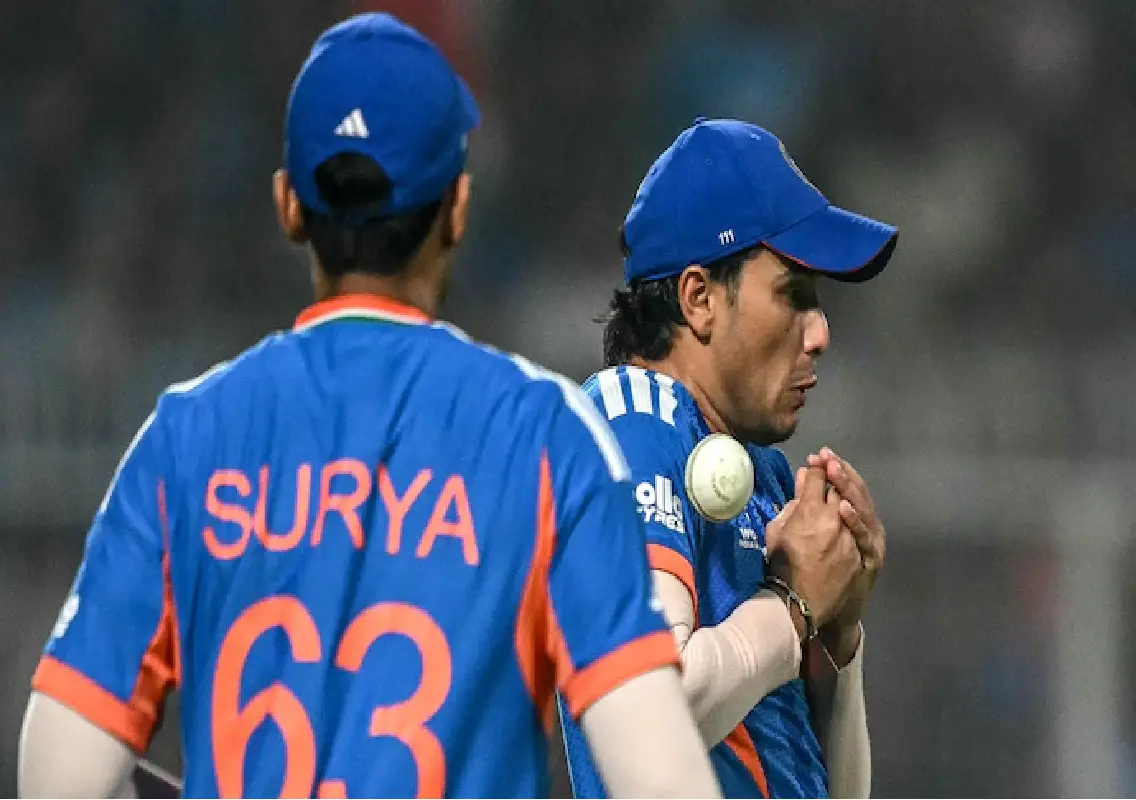

With criticism mounting over India’s below-par fielding in the ongoing T20 World Cup, bowling coach Morne Morkel chose not to dwell on whether the problem is mental, stressing instead that the team is working hard to iron out the flaws ahead of the semi-final clash against England.
India are yet to produce a complete performance in the tournament, with dropped catches proving a recurring concern. The issue came into sharp focus during their match against the West Indies at Eden Gardens, where multiple missed opportunities allowed the opposition to extend their innings at crucial junctures.
Costly lapses in the field
During the West Indies innings, Abhishek Sharma grassed two regulation chances, while Tilak Varma also failed to hold on to an opportunity. The dropped catches shifted momentum and forced India to work harder to restrict the total.
Overall, India have put down 13 catches in the tournament so far — the highest by any team in the competition. The statistic has raised questions about preparation, positioning and possibly temperament under pressure.
In contrast, England have been sharp and clinical in the field. Tom Banton has taken 10 catches in the tournament, second only to Glenn Phillips, who leads the chart. England’s fielding efficiency has been widely seen as one of the factors behind their smooth progression to the knockouts.
Morkel avoids mindset debate
Addressing the media ahead of the semi-final in Mumbai on March 5, Morkel emphasised that the team had placed considerable focus on fielding preparation before the tournament.
“Nobody will look to drop a catch on purpose. It’s not like we don’t train it. I mean, there’s a lot of focus going into our fielding, and that was one of the key points heading into the World Cup here. So the guys do train and work hard on our fielding. At times, is it a mindset thing? I can’t answer that,” Morkel said.
While he refrained from attributing the lapses to mental fragility, his remarks suggested that the coaching staff is aware of the scrutiny surrounding the team’s standards on the field.
Fielding has increasingly become a decisive element in T20 cricket, where small margins often determine outcomes. Missed chances not only cost runs but can also alter the psychological balance of a contest.
Focus on specifics and positioning
Morkel underlined the need for greater clarity in assigning fielding roles, especially in high-traffic areas or “hot zones” where catches are more likely to come.
“For us, it’s just to keep on doing the hard work. Really focusing on specifics, getting certain players into the hotspots in the right areas. At times, it’s hard to do that because you’re also working against over-rate. So that’s the responsibility that the players need to take on the field,” he explained.
The bowling coach said players must take ownership by proactively placing themselves in key positions and putting in additional effort when required.
“Find yourself in a position in the hot zones and work a little bit extra. And if we can get the right players in those positions, hopefully we can take the catches,” he added.
Semi-final pressure looms
India’s semi-final against England promises to be a high-intensity contest, with both teams boasting explosive batting line-ups and varied bowling attacks. However, the difference could well lie in fielding standards.
England’s sharpness in the outfield and safe catching record stand in contrast to India’s inconsistent displays. In knockout cricket, such lapses can prove decisive.
For India, the challenge will be to ensure that fielding errors do not overshadow their strengths with bat and ball. With the stakes high and expectations soaring, the team will be eager to deliver a more complete performance.
Whether the issue is technical, positional or psychological, India have little room for error as they seek a place in the T20 World Cup final. The semi-final in Mumbai will test not just their skills but also their composure under pressure.

Comments are closed.