
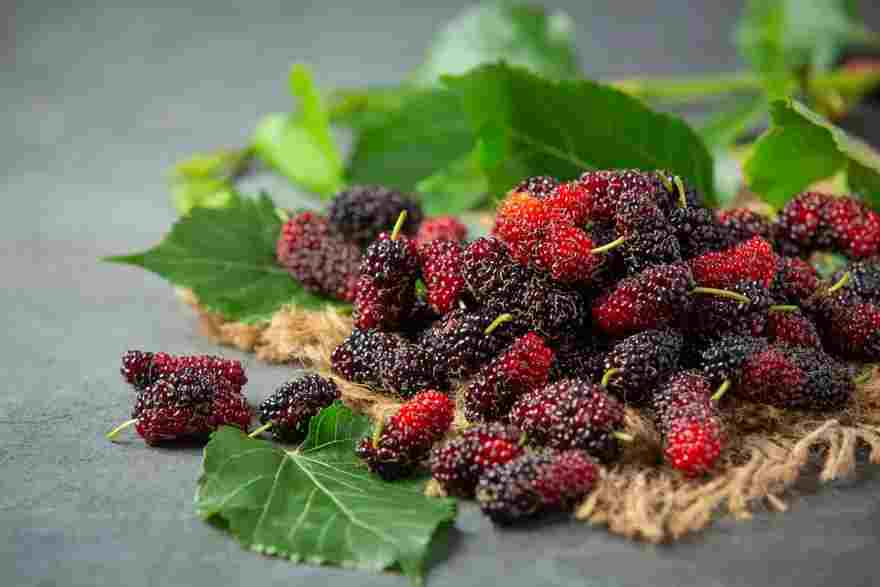
Mulberry: A small fruit and a mine of benefits! Know why it is called ‘superfood’ and what are its miraculous benefits

That sweet and sour mulberry, which resides in childhood memories, is not just an ordinary fruit, but a priceless treasure of Ayurveda and modern science. This fruit, which grows on trees of the Morus family, is mainly found in black, white and red colours. Due to its distinctive texture and juicy taste, it is not only fun to eat, but also has the ability to strengthen the body from within.
Powerful Nutrition Profile of Mulberry
Due to low calories and high nutrition, dieticians definitely include it in their list. Per 100 grams of mulberries you get:
Energy: 43 kCal
Vitamin C: 36.4 mg (great for immunity)
Iron: 1.85 mg (helpful in removing anemia)
Potassium: 194 mg
Fiber: 1.7g
10 amazing benefits of mulberry that will surprise you
1. Powerhouse of Antioxidants: Mulberry contains anthocyanins and flavonoids, which reduce oxidative stress in the body. It prevents premature aging and keeps the cells young.
2. Guardian of heart health: It helps in reducing bad cholesterol (LDL) in the body and controlling blood pressure. The potassium present in it is helpful in maintaining normal heartbeat.
3. Helpful in sugar control: Mulberry is no less than a boon for diabetic patients. It contains compounds that slow down the absorption of sugar in the blood, so that the sugar level does not increase suddenly.
4. Super Immunity Booster: Rich amount of Vitamin C gives strength to fight infections. Consumption of mulberry is best to avoid cold and cough in the changing weather.
5. Healthy digestive system: Being rich in fiber, it relieves the problem of constipation and increases good bacteria in the intestines.
6. Blood deficiency will go away: The mixture of iron and polyphenols improves the flow of oxygen in the body and accelerates the formation of red blood cells.
7. Sharp mind and memory: Its flavonoids protect brain cells, thereby reducing the risk of amnesia in old age.
8. Boon for eyesight: Vitamin A and antioxidants protect the delicate tissues of the eyes, reducing the risk of problems like cataracts.
9. Helpful in preventing cancer: Research suggests that the phenolic compounds present in it can help prevent the growth of cancer cells by eliminating free radicals.
10. Natural Painkiller: Due to elements like resveratrol, it has natural anti-inflammatory properties, which reduce chronic pain and swelling in the body.
How to include in diet?
You can eat mulberry in many interesting ways:
Smoothies and Salads: Add fresh mulberries to yogurt or fruit salad.
Healthy Topping: Boost your nutrition by slathering it on top of your morning oats or porridge.
Mulberry Tea: Herbal tea made from its leaves is considered very good for metabolism.
Snacks: Mix dried mulberries with nuts and use them as ‘trail mix’.
Precautions and Side Effects
Although mulberry is safe, hypoglycemia (Low blood sugar) patients should be careful in its consumption because it can further reduce the sugar level. Some people may have mild allergies or digestive problems when consumed for the first time, so it is wise to start with small amounts.

Comments are closed.