

NCERT Publicly Apologises and Withdraws Class 8 Social Science Book After Controversy Over Judiciary Chapter
On March 10, 2026the education body NCERT Publicly Apologises after a major controversy erupted over a Judiciary Chapter included in a Class 8 social science textbook. The National Council of Educational Research and Training (NCERT) confirmed that the entire book has now been withdrawn from circulation following strong objections and legal scrutiny.
Read more: Gold and Silver Prices Today Show Mixed Trend Between MCX and Global Markets
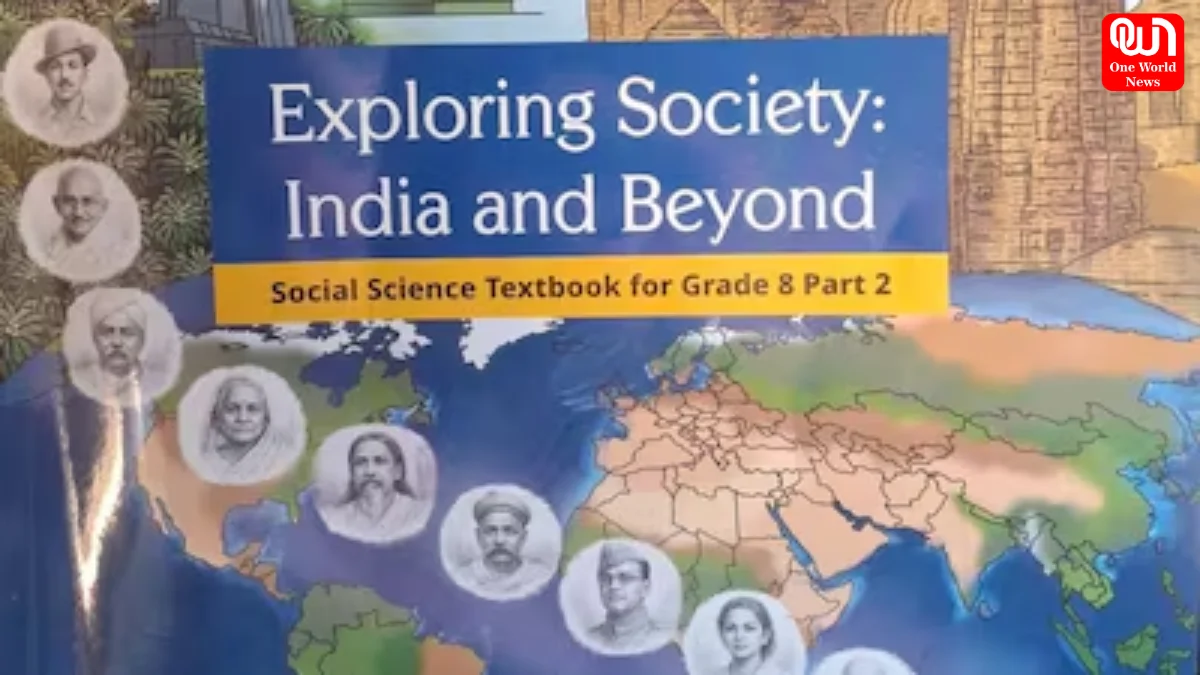
The issue began after the chapter titled “The Role of Judiciary in our Society” in the textbook Exploring Society: India and Beyond (Part II) sparked criticism for discussing corruption and systemic challenges within the Indian judiciary. The matter quickly escalated, eventually drawing the attention of the Supreme Court of India.
NCERT Publicly Apologises Over Judiciary Chapter Controversy
In an official statement, NCERT Publicly Apologises and acknowledged that the chapter had triggered widespread concern. The organisation issued what it described as an “unconditional and unqualified apology” for the inclusion of the controversial Judiciary Chapter in the Class 8 textbook.
NCERT clarified that the director and members of the council regret the publication of the chapter and confirmed that the book has been completely withdrawn. Both printed and digital versions of the textbook have been removed to ensure that the content is no longer accessible to students or schools.
The decision to withdraw the book came soon after the Supreme Court raised serious objections about how the judiciary was portrayed in the chapter.
Why the Judiciary Chapter Triggered the Controversy
The Judiciary Chapter highlighted several structural challenges within India’s legal system, including corruption, shortage of judges, and the massive backlog of pending cases across courts.
According to the content of the textbook, the judicial system faces multiple issues such as delayed justice due to millions of pending cases and limited judicial resources. However, critics argued that presenting such sensitive issues to school students could create a negative perception of the judiciary.
The Supreme Court took suo motu cognition of the matter after concerns were raised by senior lawyers during court proceedings. The court stated that such references could potentially undermine public trust in the judicial system.
Supreme Court’s Strong Response
The controversy intensified when the Supreme Court issued strong remarks regarding the Judiciary Chapter. The court questioned how such content was approved for a school textbook and warned that the portrayal could damage the institutional reputation of the judiciary.
Following the court’s intervention, a blanket ban was placed on the publication, reprinting, or digital distribution of the textbook containing the disputed chapter. Authorities also asked for details regarding the academic committee responsible for approving the content.
The court emphasized that while discussions about challenges within institutions are important, they must be presented with responsibility, particularly in educational materials meant for young students.
Read more: Political Roundup: Top Developments on March 9
Government and Academic Reaction
The controversy also prompted responses from policymakers and education authorities. The Union Education Ministry expressed concern over the incident and called for accountability in the content approval process.
Education experts say the episode highlights the delicate balance between academic discussion and institutional sensitivity in school curricula. Civics textbooks are designed to help students understand democratic institutions, but the language and framing used must be carefully reviewed to avoid misinterpretation.
What Happens Next
With NCERT Publicly Apologises and the Judiciary Chapter now removed, the organisation is expected to review its editorial and approval processes for textbooks. Officials may also revise the chapter before any future publication.
For now, the withdrawn textbook will not be distributed in schools, and NCERT has assured authorities that corrective measures will be taken to prevent similar controversies in the future.
The episode has once again sparked a broader debate about how institutions, governance, and public accountability should be discussed in school education — especially when shaping the perspectives of young learners.

Comments are closed.