
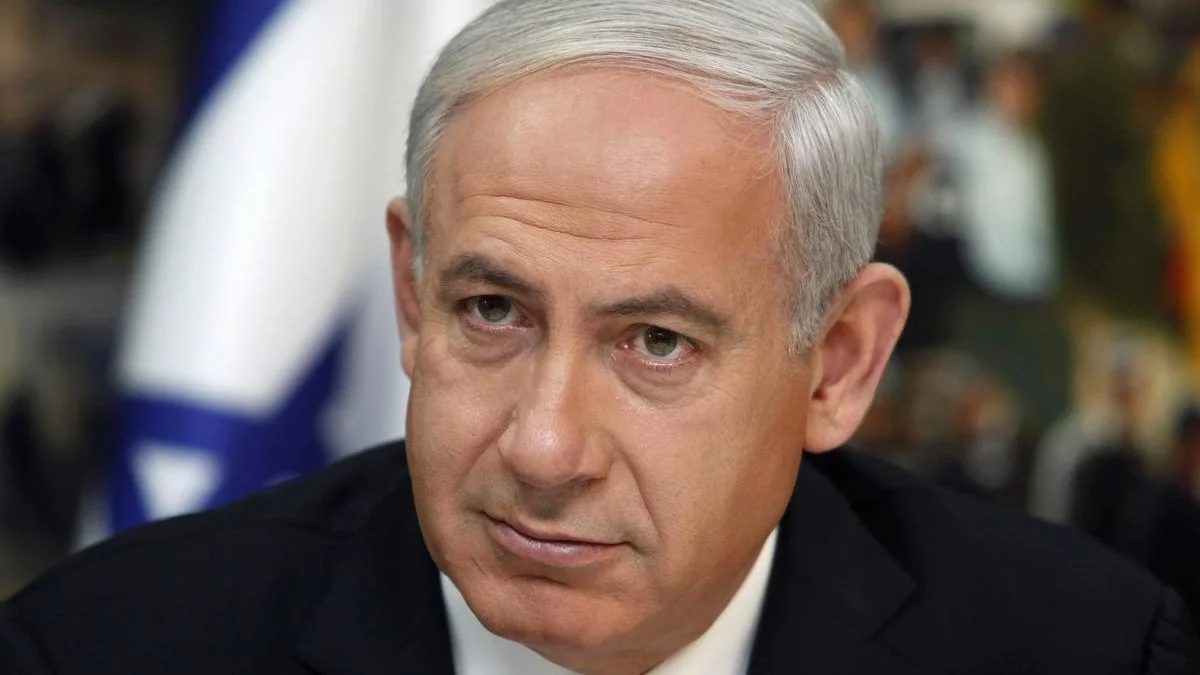
Netanyahu’s legal battle fails as The Bibi Files screens internationally despite Israeli ban

Audiences in North America, Europe, and other regions can access The Bibi Files, but not in the one nation where it is most important. The documentary is officially prohibited in Israel, and the political and legal justifications for this prohibition are just as illuminating as the movie itself.Israeli law prohibits the publication of interrogation recordings without the court’s approval. With the exception of Israel, where its broadcast raises legal concerns, the movie is probably going to be seen everywhere because it was made and shown abroad. The police interrogation tapes of Netanyahu, his wife Sara, his son Yair, and close associates that form the core of the movie were captured between 2016 and 2018 as part of extensive corruption investigations.
It is illegal to publish such video in Israel without a court’s approval.Even before the movie’s international premiere, Netanyahu took quick action to try to stop it. Netanyahu sued the State of Israel and renowned Israeli investigative journalist Raviv Drucker the day before it debuted at the Toronto International Film Festival, claiming that the movie broke Israeli law by showing unreleased footage from his police interrogations.The movie screened as scheduled after a Jerusalem District Court denied the request.On September 17, 2024, Netanyahu’s attorneys asked Israel’s Attorney General and Police Commissioner to launch an investigation into Drucker and to impose a gag order on the trial footage that had been leaked. Yet, the film remains no secret among the Israeli public.
Though the documentary is technically not allowed to be screened in Israel, it has spread like wildfire among Israelis through VPN and social media. The director of the film even confessed this, saying, “It’s like water, it finds a way through every crack.”The film has spread through WhatsApp messages among Israelis, where people message each other, asking, “Do you want to see The Bibi Files?” However, the ban has had an unforeseen consequence: it has made the movie much more interesting for the average Israeli. What was initially a legal nicety has become a metaphor for something much bigger: whether or not a sitting head of government should be able to use the machinery of government to hide information about himself.
The Tucker Carlson Network referred to the government’s action as “draconian” and stated that the movie revealed years’ worth of news stories that the Netanyahu government wants to keep out of the public eye, including corruption allegations, backroom deals, and the PM’s geopolitical games. The irony, say the critics, is bitter: the film is about a leader who allegedly traded regulatory favors for positive media coverage, and the government is now keeping it from the public. By banning the film, Netanyahu may have given it a far larger audience than it ever could have attracted on its own.

Comments are closed.