
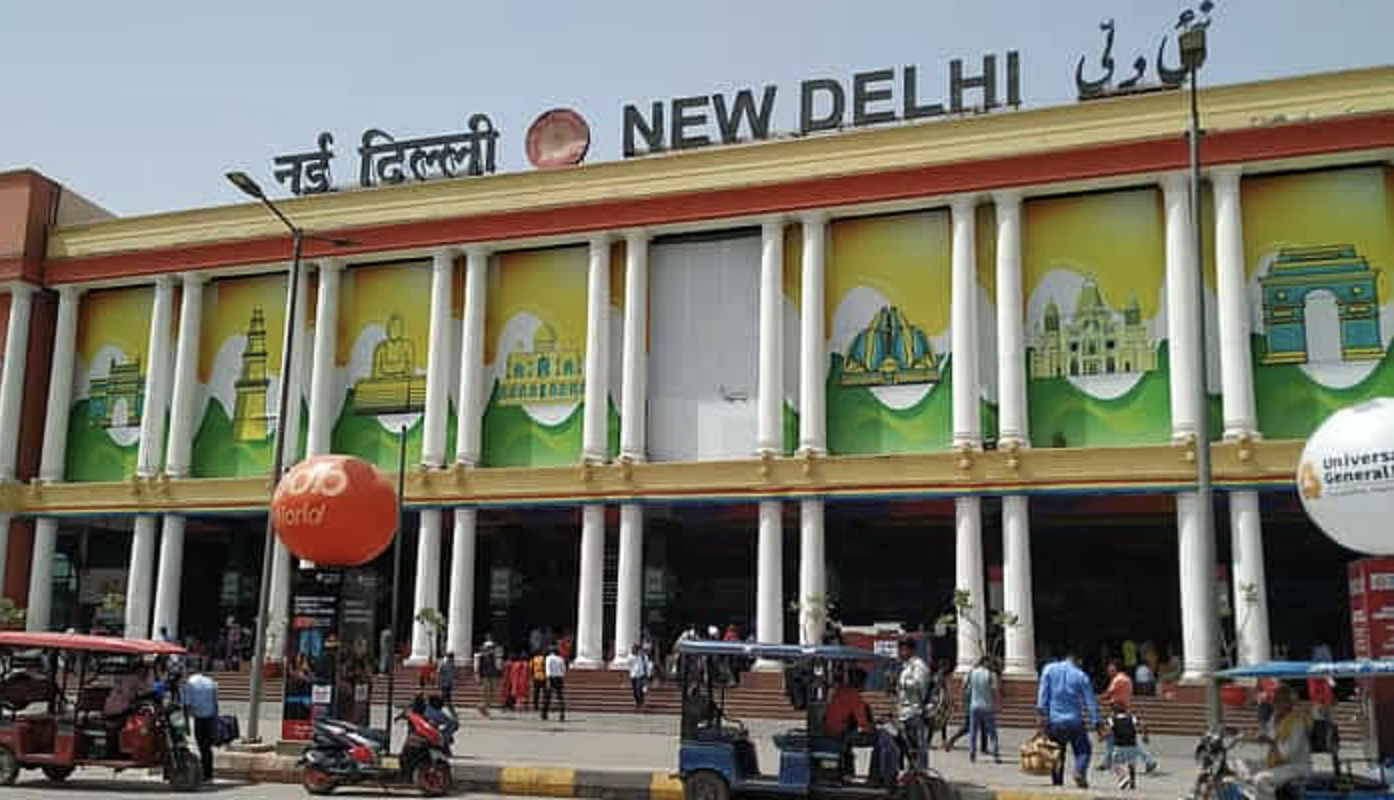

Like arteries pulsing through a vast nation, railway tracks carry the lifeblood of millions, converging at stations where motion turns into momentum.
The Network: A Nation on the Move
Indian Railways operates more than 7,000 stations, categorised from Grade One to Grade Six based on annual revenue and passenger footfall. Grade One stations stand at the top, each generating over ₹500 crore annually and handling more than 2 crore passengers.
According to Dilip Kumar, Executive Director of Information and Publicity at the Ministry of RailwaysIndia’s rail network spans over 70,000 kilometres. Every day, around 13,000 passenger trains run across this network, and with freight services included, the number rises to nearly 23,000 trains.
Over 2 crore passengers rely on these services daily, making the system one of the busiest in the world. With ambitious targets to further increase ridership, ongoing expansion and modernisation efforts indicate that Indian Railways is gearing up for even greater capacity and efficiency.
The Powerhouses: Stations Driving Massive Revenue
At the heart of this network lie the highest-earning stations, led by New Delhi Railway Station, which tops the list with ₹3,337 crore in revenue. It is followed by Chennai Central (₹1,299 crore), Secunderabad Railway Station (₹1,276 crore), Howrah Junction (₹1,276 crore), and Hazrat Nizamuddin Railway Station (₹1,227 crore). While New Delhi leads by a wide margin, the remaining four stations show closely matched earnings.
Several other stations also qualify as Grade One, including Chhatrapati Shivaji Maharaj Terminus, Lokmanya Tilak Terminus, Surat Railway Station, Ahmedabad Junction, Anand Vihar Terminal, Patna Junction, Pune Railway Station, Vijayawada Junction, Jaipur Junction, Nagpur Junction, Thane Railway Station, Agra Cantt Railway Station, Ambala Cantt Junction, Bengaluru City Railway Station, Bareilly Junction, and Kalyan Junction.
These stations serve as crucial transit hubs, generating substantial revenue while connecting millions of journeys daily. As Indian Railways continues to evolve, these high-performing centres will remain central to funding growth and sustaining one of the world’s largest rail networks.
In the rhythm of arrivals and departures, these stations stand as silent giants, where countless journeys begin, end, and intertwine.
Summary
Indian Railways operates over 7,000 stations, with Grade One stations generating more than ₹500 crore annually and handling over 2 crore passengers. Leading the list is New Delhi Railway Station, followed by Chennai Central and others. With millions travelling daily, these high-revenue hubs play a critical role in sustaining and expanding one of the world’s largest railway networks.
Comments are closed.