
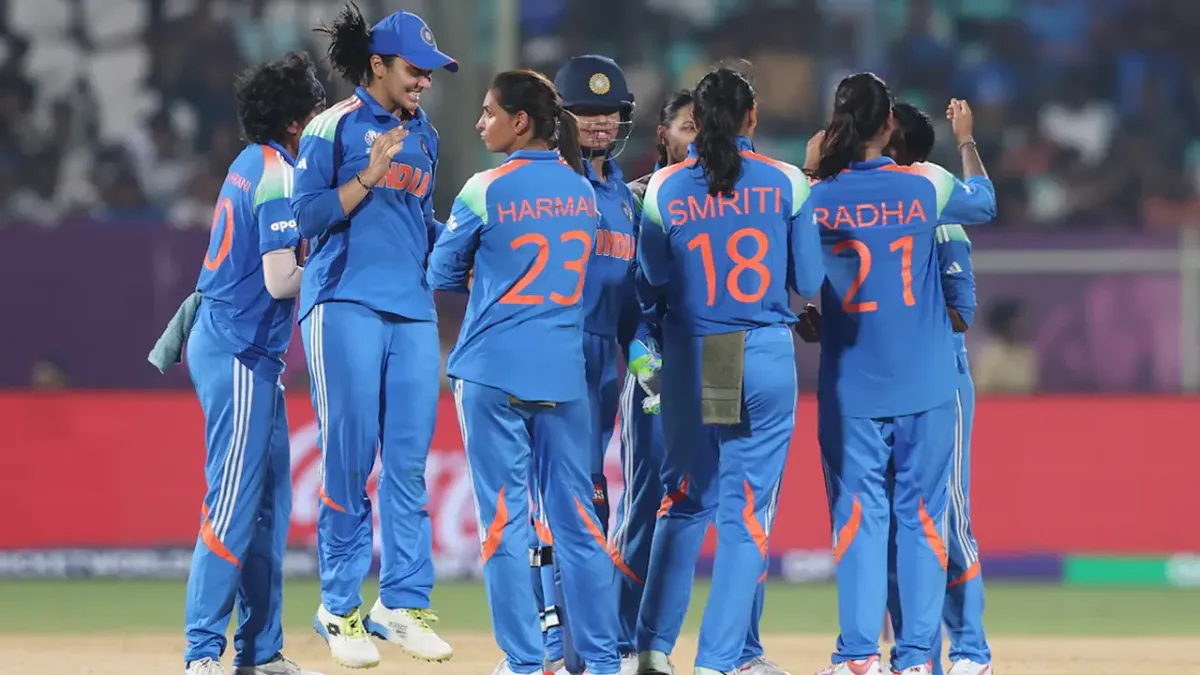
New guidelines implemented: Board and ICC will now give full support in the care and return of pregnant cricketers.

Delhi: In the growing journey of women’s cricket, the one issue from which women cricketers could never be freed from the fear is that their cricket career ends with marriage. With changing times, there was some improvement and women cricketers played even after marriage. The new issue was can a cricketer return to playing top cricket even after giving birth to a child? These cricketers found the answer on their own without any guidelines and each board implemented its own guidelines. After becoming a mother, the desire to return to top cricket and the number of cricketers working hard for it was so low that the ICC itself did not feel the need to make any clear guidelines in this regard.
Also read: Latham-Conway equaled 96 years old record, scored 317 runs for the first wicket against England
Now times are changing rapidly and the number of cricketers returning to top cricket and performing better even after becoming mothers is increasing. Therefore, the ICC has issued guidelines for the return of female cricketers at the right time after they become pregnant. The first message of doing this is that ICC is with these cricketers and they themselves also want to end the fear that their cricket career ends with pregnancy. They should be provided with an environment where women players feel safe and confident and can bounce back with support.
The message from the ICC guidelines regarding the return of pregnant cricketers is for all member boards to support their return to elite cricket. These guidelines recommend that the Board should take any such cricketer’s case seriously once it comes to light, have a dedicated case manager for each player, provide flexible training environment, child care and travel support, and take full medical facilities and steps for their well-being at all times during pregnancy and after the birth of the child.
This effort is to give a professional perspective to women’s cricket in its growing journey so that more and more players think of settling down during their playing career. In this context, the example of Indian cricketers is in front of everyone and at present not a single Indian cricketer is married.
These guidelines for the ICC have been created under the leadership of their Medical Advisory Committee and Australia Women’s Team Doctor Dr. Philippa Inge, and there is a glimpse of support at every step, from pregnancy to return to play policy in accordance with local law. The welfare of the players is considered most important. For this, the framework has been made a 6 stage ‘R’ model i.e. Reddy, Review, Restore, Recondition, Return and Refine and in this, the method of medical care of that cricketer has been explained from the birth of the child, from getting fit again till returning to top cricket and even thereafter.
The Board, in such cases, will appoint a case manager for the player, usually a doctor or physiotherapist, to be the main point of contact for the player throughout her pregnancy and journey back to play. The player will have to contact this case manager who will further contact the board, get the facilities approved by the board and ensure that whatever steps are taken, the focus will be on the well-being of both the mother and the child.
It is also written in these guidelines that after giving the news of the player’s pregnancy, at which steps, the board will automatically take steps for their well-being and care. The key to this is the creation of a multidisciplinary support team that includes medical staff, physiotherapists, strength and conditioning coaches, psychologists, dietitians, coaches and a family support network, as well as a flexible, player-supportive approach.
Also read: Harmanpreet challenged Australia, said after victory over Bangladesh – We will play our best cricket
A very important thing is that after the player has officially given the news about her pregnancy, the board will not ask any player for pregnancy testing and no other personal information will be asked in this regard. It is written that one should stop playing after three months of pregnancy but the final decision will be taken jointly by the appointed doctor and the cricketer’s medical staff. Dr. Inge said, ‘Making these guidelines is to show that becoming a mother does not mean the end of cricket career.’

Comments are closed.