

Kolkata: After a lot of fog regarding the salary, PF, gratuity and allowances, on Wednesday, the Union ministry of labour published the draft rules under the new labour codes and released FAQs on them. IN this way the government has attempted to clarify how your salary will be structured in the new system and on what basis will gratuity be determined for an employee. It also said what will be the definition of ‘wages’ and what is the 50% rule. While impacting the wallet of the employees, it will also have an impact in the financials of companies which will have to calculate their wage bill.
In 2025 capping long uncertainty, the Centre consolidated 29 old labour laws into four new labour codes. These are the Code on Wages, the Industrial Relations Code, the Social Security Code and the Occupational Safety, Health and Working Conditions Code. The broad objective of the exercise, as stated by the government, is to simplify a plethora of labour laws, establish uniform definitions and provide greater social security to employees. So far different laws had different definitions of ‘wages’. In some cases basic salary was considered the basis in some cases, while in some cases it was basic + DA and in yet others the total salary. Now for the first time, the new labor codes have established a uniform definition of ‘wages’ which will apply to all codes.
45 days to respond with suggestions
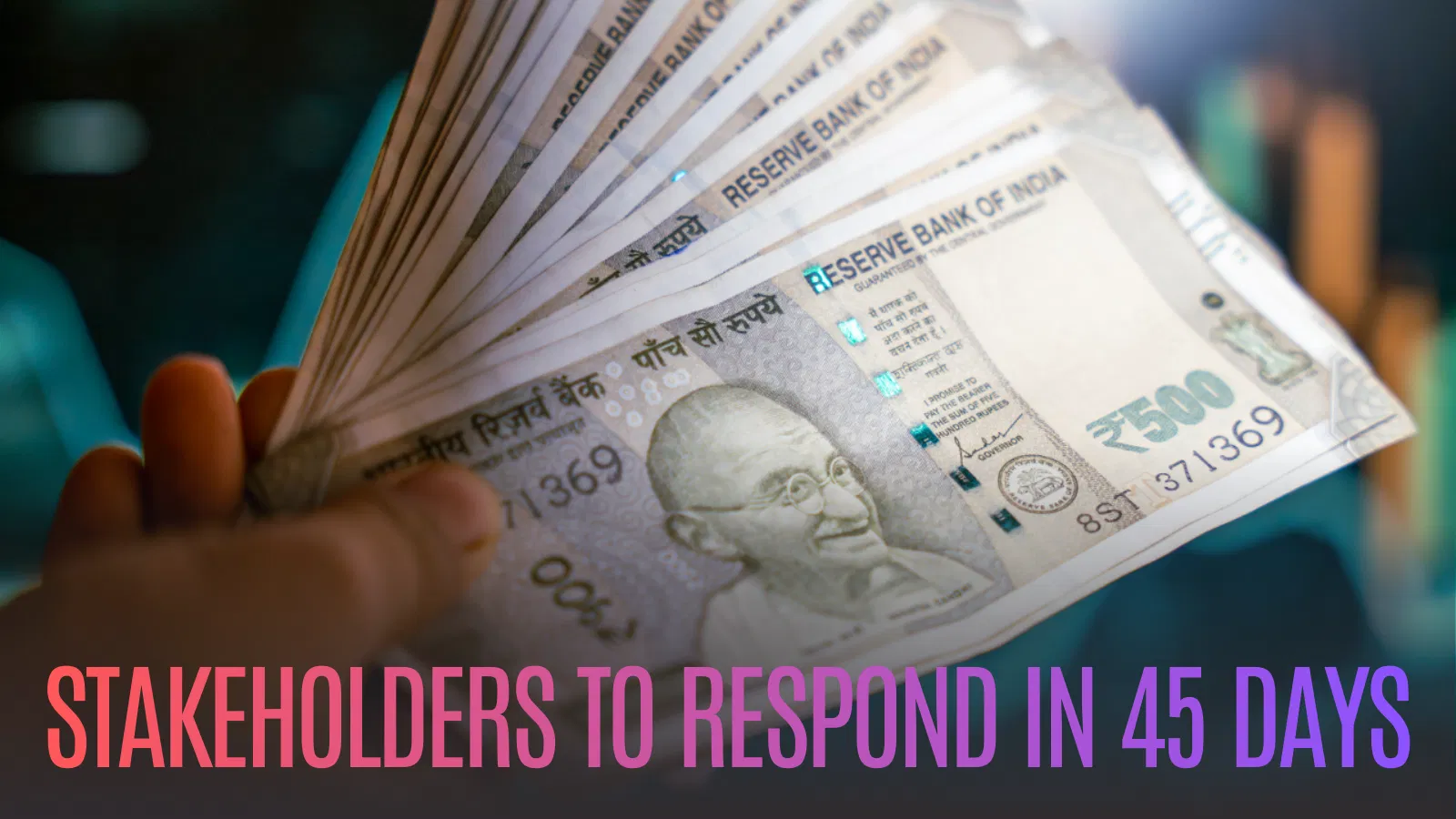
The ministry of labour released the draft rules under the new labor codes for public consultation. Stakeholders have to respond to them within 45 days and come up with suggestions and objections. The point to note is that till such time these rules are notified, the old rules will remain in force, provided they do not conflict with the new codes.
Definition of wages
The definition of ‘wages’ under the new labor codes is one of the most significant changes. The government’s draft clarifies that allowances will include basic pay, dearness allowance (DA), and retaining allowance. There is also the “50% rule”. According to this rule, if the portion of an employee’s total salary comprising wages and other payments exceeds 50%, the amount above 50% will be added to the allowances. This means that companies will no longer be able to avoid statutory liabilities by keeping the basic salary very low and allowances very high. This, experts have pointed out, could benefit employees in terms of provident fund (PF) and gratuity.
For example, if an employee’s total monthly salary is Rs 76,000 and includes basic pay and DA adding up to Rs 20,000. The remaining amount is paid to the employee as various allowances. But according to the new rule, only 50% of the total salary, i.e., Rs. 38,000, will be considered as allowances. But if the amount exceeds 50% mark, the excess amount will be added to the basic salary. Say if the allowance is Rs 40,000, then the extra Rs 2,000 (over the 50% mark) will be added to the basic salary and DA, making the new salary Rs 22,000.
Payments not to be included in the salary
The draft also clarifies that certain payments will not be part of the salary. These are performance-based incentives, ESOPs, variable pay, and reimbursement-based payments. Leave encashment will also not been considered part of the allowance.
Calculation of gratuity
Gratuity has been discussed a lot in the new labor codes. The draft rules and FAQs clarify that gratuity will now be based on ‘last drawn wages’, not just basic salary. And since the 50% rule will apply to the definition of wages, the gratuity amount is likely to increase. For employees whose salary structure was previously heavy on allowances, the base for gratuity will expand.
A major question is whether the new gratuity system would be prospective or retrospective. The draft clarifies that the new gratuity provision will come into effect from November 21, 2025, which is the effective date of the code. This also means that employees who leave their jobs on or after November 21, 2025, will be entitled to receiving gratuity under the new system. Gratuity will be payable on termination of employment, retirement, resignation, death or permanent disability and for fixed-term contracts.

Comments are closed.