
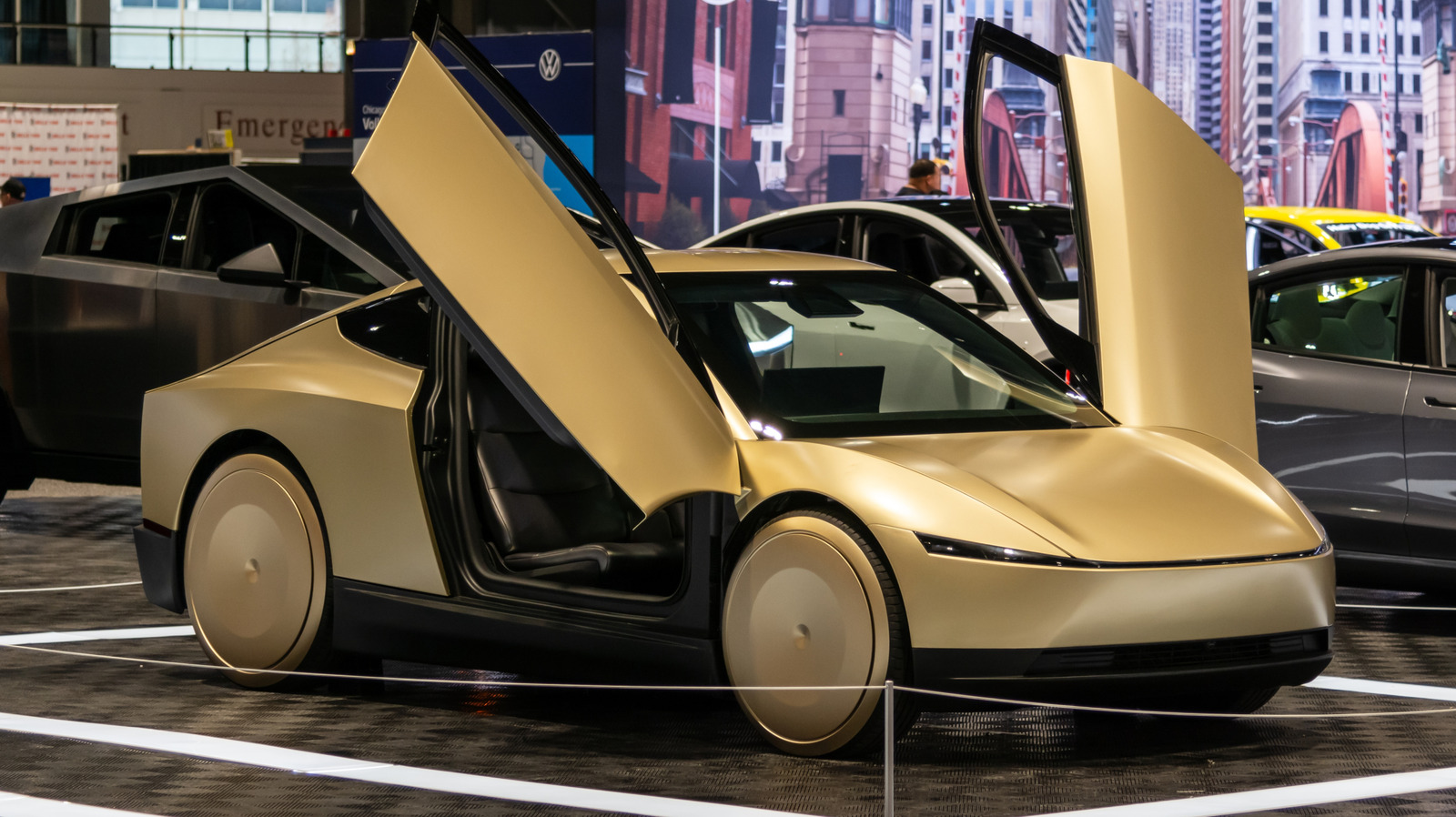

Autonomous vehicles have been a big talking point in the United States as Waymo spreads to more cities and Tesla’s Cybercab service launch looms overhead. In June 2026, the Department of Transportation (DOT) proposed changes to federal regulations that would allow the growing number of autonomous vehicles in the United States to forgo brake pedals.
As it stands, automakers building autonomous vehicles without brake pedals or other components must request an exemption from the federal government — and if granted, these vehicles must be limited to 2,500 per year. This proposed change will get autonomous vehicles on the road faster, with fewer obstacles. The National Highway Traffic Safety Administration (NHTSA) is on board, with Administrator Jonathan Morrison stating that autonomous vehicles are the greatest innovation “since the Model T.”
“NHTSA is tearing down pointless barriers to innovative designs while strengthening the fundamental safety requirements that matter and holding AV developers accountable for safe performance,” Morrison said (via TechCrunch). The public has until July 27th to comment on the proposal before the DOT officially approves these changes.
Cybercab service could finally get going with DOT changes
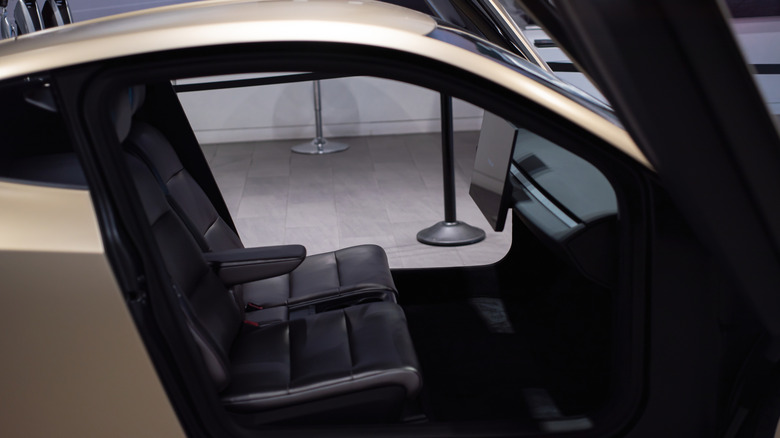
Right now, most autonomous vehicles have a steering wheel, accelerator, and brake pedals, but even popular brands like Waymo have been considering ditching these components — federal regulations are the only thing in the way. One company that would benefit greatly from the DOT’s changes is Tesla, given the upcoming Cybercab.
Currently, Tesla’s robotaxi service has remained a small operation in Austin, Texas, with human monitors in the front seat. CEO Elon Musk has repeatedly blamed regulatory red tape for the delayed rollout of the Cybercab, which was first revealed at the “We, Robot” event in 2024. The NHTSA has been consistently investigating Tesla’s Full Self-Driving mode for false claims and possible shortcomings, which could be prolonging the process. California has also claimed that FSD is engaging in false advertising and demanded that it change the name.
Early Cybercab prototypes featured no steering wheel or pedals, as well as a cabin with just two rear seats. The first production Cybercab came out of the Giga Texas facility in April 2026, despite a delay in the unsupervised driving feature. Now, a new Tesla document states that the controversial vehicle typically won’t have a steering wheel, accelerator, or brake pedals. This means Tesla will need DOT’s changes to go through to avoid more delays in its Cybercab services.

Comments are closed.