
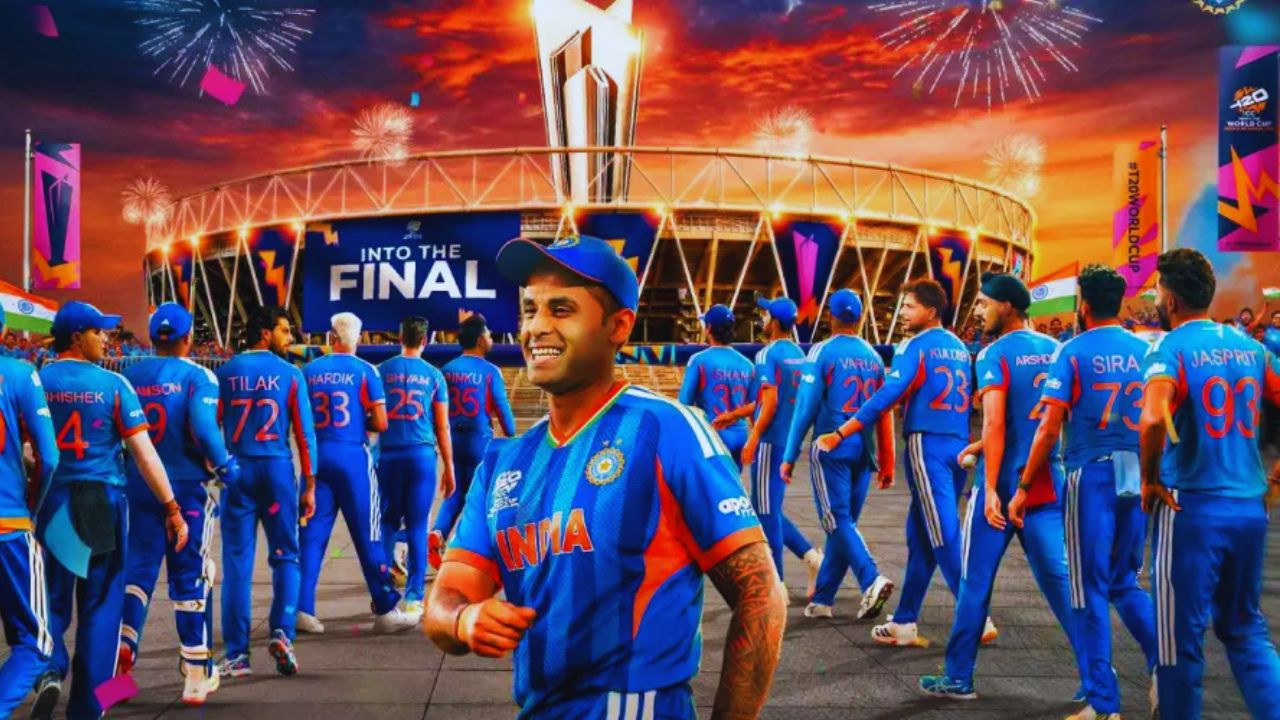
New twist in the final, India-New Zealand match with different rules, if it rains, who will become the champion? Know in details

The great match between India vs New Zealand has reached the final of the ICC tournament on Sunday, where both the teams will face each other to win the trophy. The journey from the group stage to the Super-8, then to the semi-finals, has been complete with changes in the rules, and now in the final too, some significant amendments have been made to the ‘playing conditions’, especially regarding rain and reserve day.
These changes can affect the outcome of the match, so it is important for cricket fans to understand these rules. There is a clear difference in the provisions between the semi-finals and the final, from minimum overs to tie breakers, which makes this mega final more exciting.
Video 2
📽️: Amdavad.clicks/IG pic.twitter.com/UnlQ7iq0tC
— Baljeet Singh (@ImTheBaljeet) March 8, 2026
Mandatory minimum overs
There is a common rule in both semi-final and final knockout matches that at least ten overs of play are required to determine the result of the match (provided no team is all out in the first innings). If the first innings is stopped at 9.5 overs and there is rain, the match will go to reserve day. If the result is not possible even on the reserve day, the match will be considered cancelled.
Provision for extra time and reserve days
An extra time of 90 minutes was given in the semi-finals, while in the final it has been increased to 120 minutes. On reserve day, extra time will be only 120 minutes in both the matches.
Match start time on reserve day
In the semi-finals, the match started at 3 pm on the reserve day, but in the final, if the match reached the reserve day, then the play would start at 7 pm. One similarity between the two is that the match will continue from where it stopped. For example, if the first day stops at 9.3 overs, the next day will start at 9.4 overs. The batsman on strike will remain the same and the bowler who ends the over will also be the same.
The biggest difference in tie breaker
The biggest difference between the semi-finals and the final is in the event of a tie or the match being washed out due to rain. In the semi-finals, if the reserve day was also affected by rain, then the team finishing top in the Super-8 would advance. But this will not happen in the final. If the reserve day is also washed out, both the teams will be declared joint winners. This happened once in a global trophy, with India and Sri Lanka in the 2002 ICC Trophy.
super over rule
If the Super Over could not be conducted in the semi-finals due to rain or other reasons, then the team finishing top in the Super-8 would reach the finals. But if Super Over is not possible in the final, then both the teams will be declared joint winners.

Comments are closed.