

3
new year whatsapp scam
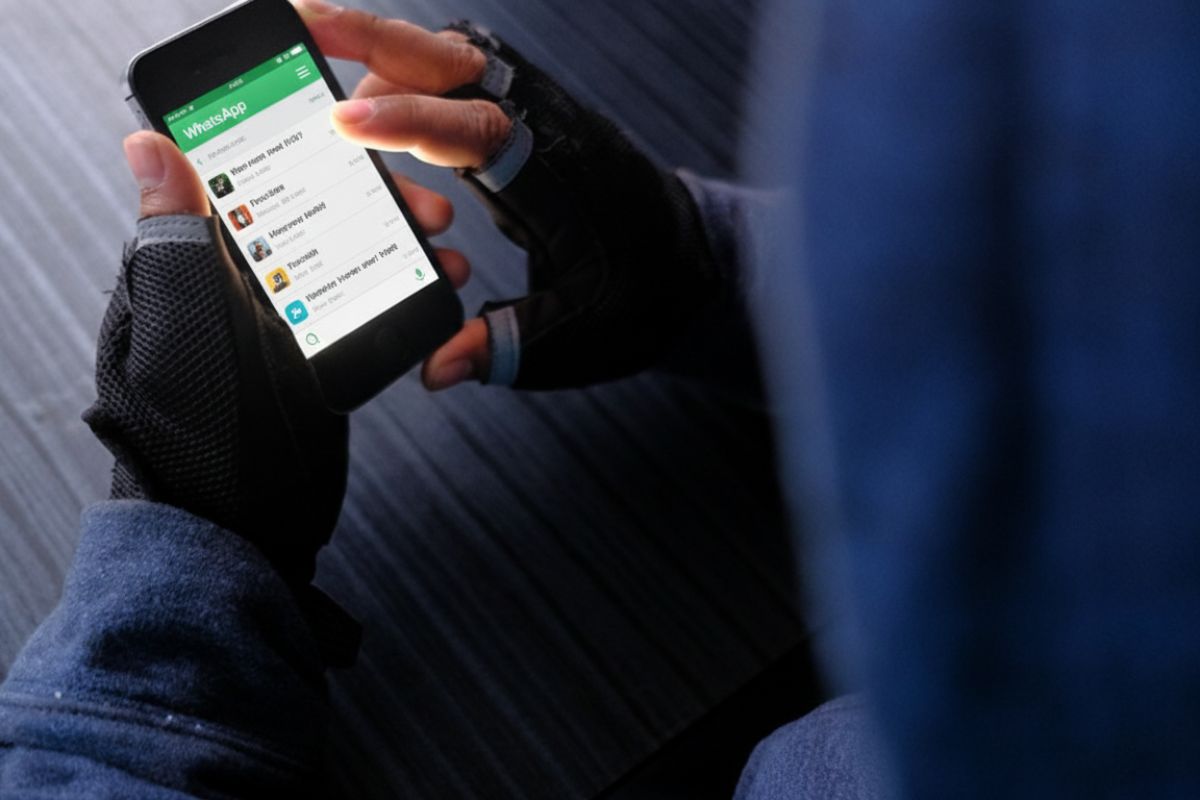
As the new year 2026 approaches, people start sending messages on WhatsApp for congratulations and celebration plans. While some messages are meant to be gratifying, many are part of phishing attempts. According to cyber experts, the activities of fraudsters increase during New Year celebrations, who try to defraud people through fake offers, links and messages. Many users use WhatsApp at this time, making it an opportunity for scammers.
What are New Year WhatsApp scams?
Many types of scams are usually seen on WhatsApp during the New Year season. Chief among these is fake New Year reward or gift offer. Such messages claim that you have won cashback or other prizes and ask you to click on the provided link. These links often lead to fraudulent websites, where your personal information can be stolen.
Another type of fraud involves fake party invites or event passes. The links in these messages may introduce harmful software to your phone or redirect to unsafe websites. Apart from this, fraudsters also send messages that appear to be pictures or videos containing New Year wishes, but downloading these can cause malware to enter your phone.
The most serious scam is related to WhatsApp account takeover, in which fraudsters ask for your six-digit OTP, saying that it is required for verification. Once you share the OTP, the fraudsters gain complete control of your account.
How to recognize WhatsApp scam?
According to experts, most scam messages have some common signs. These messages usually pressure immediate action, offer the lure of a large reward, or come from an unknown number. Serious signs include misspellings, strange links, and asking for OTP, PIN or bank details. Real companies or WhatsApp never send messages asking for such information.
How to keep yourself safe?
Users should avoid clicking on unknown links and download files from an unfamiliar source. Turning on two-step verification in WhatsApp increases the security of your account. Check the validity of any offer on the official website or app, and if any message seems suspicious, report and block it using WhatsApp’s report feature, so the scam can’t spread further.
Have any thoughts?
Share your reaction or leave a quick response — we’d love to hear what you think!

Comments are closed.