


Highlights
- Next gen fitness trackers now include medical sensors like ECG and SpO2, shifting wearables beyond step counting into continuous health signal tracking.
- Research and regulatory approvals show next gen fitness trackers can flag heart rhythm issues early, but they cannot replace clinical-grade medical tests.
- Accuracy varies due to motion, skin tone, and fit, making next gen fitness trackers better for long-term trends than precise diagnosis.
Gadgets that people wear have shifted; they are no longer just counting steps, but are quietly logging body signals that used to need a doctor’s office. Today’s watches might record an ECG through one finger touch, measure blood oxygen, even spot heartbeat hiccups like a-fib without warning. Having something close to medical gear strapped to the arm feels almost unreal. We are looking at whether these tools perform as promised, where they fall short, what gets lost for convenience, and who truly gains by spending more for such tech tucked into a band.
What medical grade means and what it does not
Calling a sensor “medical grade” often points to one of two things. The hardware might simply follow tighter design rules compared to everyday health trackers. On the software side, an app could have gone through official checks for handling certain clinical jobs. That check matters as firms must prove their tool performs right under set circumstances. Take a heart rhythm detector, approval suggests real tests were run. Those trials show if it can reliably tell irregular beats apart from steady ones.
Approval may boost trust in the tech, yet a smartwatch still falls short of substituting proper medical exams. Each green light from regulators arrives tagged with boundaries, specific purposes carved out clearly. Take one lead ECG captured on the wrist: it may spot possible atrial fibrillation, though it lacks depth compared to a full twelve lead test needed for thorough heart evaluation. Calling something “medical grade” means tougher proof backs it up, however doctors must weigh those findings alongside patient history instead of accepting data at face value.
How the sensors work
To speak of things in a general manner, electric signals from the heart get picked up by electrocardiogram sensors. On wrist devices, users usually see just one lead view, kind of like a solitary line from hospital monitors, and it works best when someone stills their fingertip against the edge during a short reading. Light-based tools track shifts in blood below the skin through illumination.
Swap in various coloured lights, and that same method starts guessing how much oxygen rides along in the bloodstream, called SpO2. Medical-grade pulse checks at clinics commonly shine light across a fingertip; this pass-through tactic holds up better compared to bounce-back readings taken at the wrist. Some tools spot atrial fibrillation by checking how uneven pulse timings look in light-based blood flow readings, while others study rhythms in one-lead heart signals. These methods often rely on smart systems shaped by hand-picked data, adjusted to match real patient records.

What research reveals on how correct and practical it really is
The bottom line is that some wearables can successfully spot irregular heart rhythms like atrial fibrillation, or maybe even track blood oxygen trends over time, yet how well they work shifts depending on the device, the person, even how it is worn. Some studies show these devices work well beyond test settings, right in daily routines. Picture a smartwatch alarm pointing towards irregular rhythms, then a doctor finding real a-fib afterward. This progress could lead to spotting silent heart problems sooner, even when people feel fine. A small edge, maybe, but one that matters.
These trackers may work well when scaled up, but some hurdles always do tend to stick around. While one-lead ECG devices show useful patterns, reading rhythms correctly does not always end up being the case. Motion blurs the data, which can leave results hanging. Things like atrial flutter trip up identification worse than typical AFib.
Firmness against the skin changes how good the readings are, and software shifts matter too, along with what version of the device the user might have. Independent tests suggest health potential exists in these gadgets, though dependable precision still stumbles now and then.
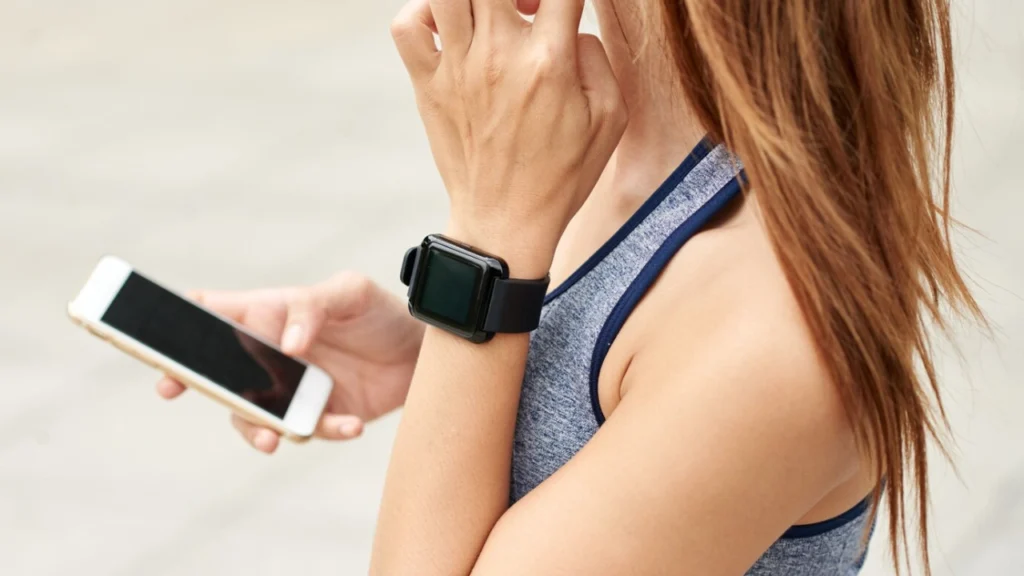
One thing people notice is that fitness trackers show trends more reliably than exact numbers. Following changes during mountain trips can reveal when something feels off in the way breathing adjusts. What stands out at night might be drops tied to irregular breaths, which may become clearer after weeks of steady recording.
Research comparing devices does not agree across the board. A few wearables come close enough to offer useful hints outside hospital settings. Others swing too far off target to trust when exactness matters most. Darker skin, movement during sleep, bright surroundings, all of these factors can all throw off wrist-based measurements. Even where the sensor sits on the arm might change the result.
Real-world compromises
Sensors picking up data nonstop while running background calculations drains energy fast. When gadgets track SpO2 around the clock or keep heart rhythms under watch without pause, they tend to demand extra charge cycles or pack bulkier cells just to last a full day. People using such features usually face a major dilemma: more functions mean shorter time between plug-ins.

A steady stream of odd rhythm warnings adds up in unexpected ways. When gadgets ping often about uneven heartbeats, stress follows, sometimes dragging people into clinics for checks they might not need. On the flip side, silence does not always mean safety, wearables miss brief glitches now and then. Doctors tend to ask for backup proof anyway, sometimes in the form of a skin patch that records electrical activity over days or a full hospital-grade ECG scan. Right now, most care networks see these signals more like an early nudge than solid truth when adjusting therapies.
Some folks find the higher cost of a next-gen fitness tracker worthwhile. Others might lean toward a solid mid-tier option that delivers daily fitness tracking minus the extra expenses and compromises. Those curious about how today’s devices stack up, backed by research and approval records, can look into a breakdown of these particular devices zeroing in on oversight, proof of performance, and what using them really looks like.

Comments are closed.