
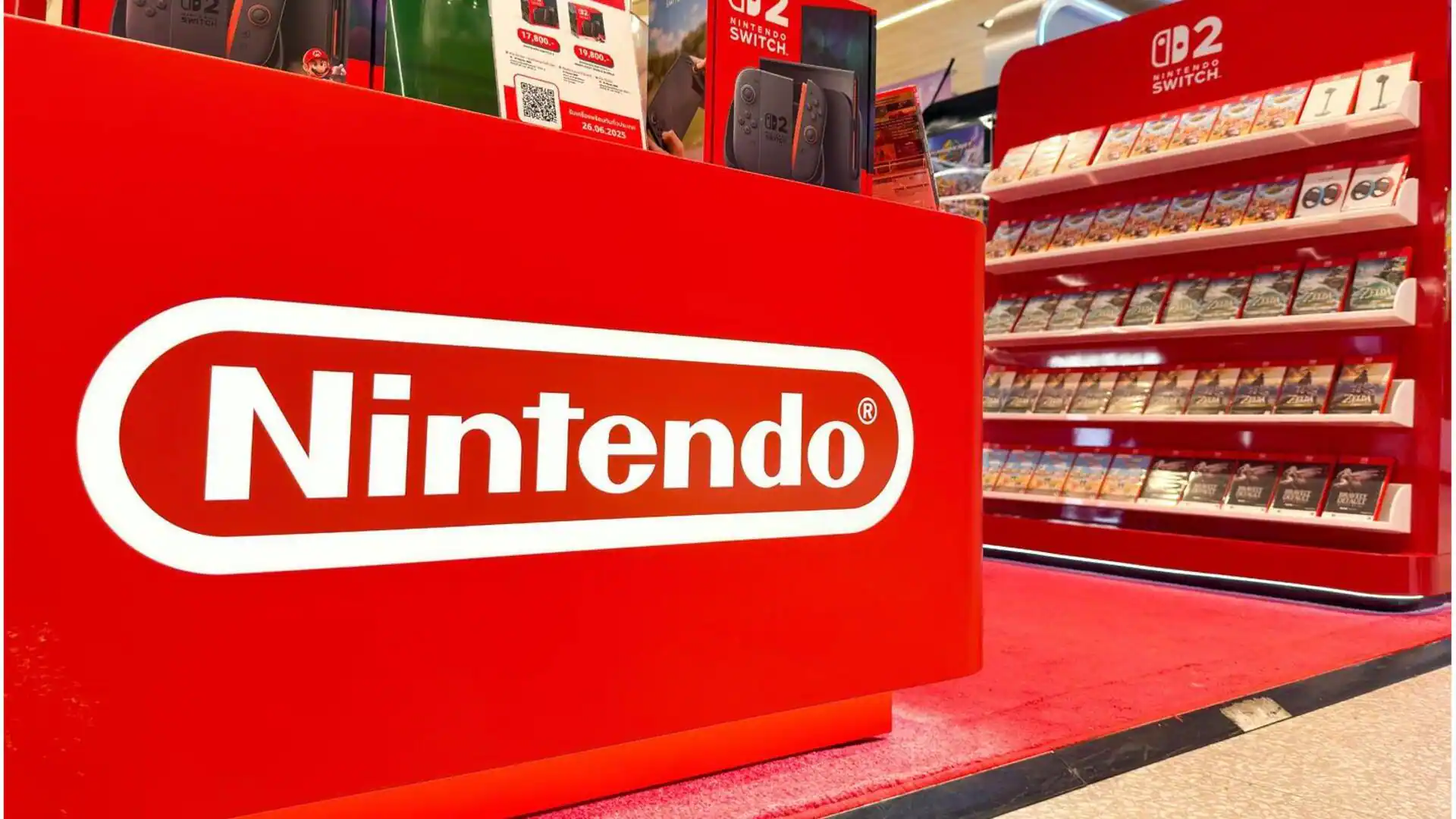

Nintendo has filed a lawsuit against the United States Government and is seeking a refund on the tariffs that were imposed during the administration of the former US President, Donald Trump. The company claims that the tariffs were unlawful and had a major impact on its business in the US.
Nintendo filed the lawsuit on the 6th of March, 2026, in the US Court of International Trade. This follows a major ruling made by the Supreme Court in the US in February 2026. The court struck down a number of the tariffs that were imposed under emergency authority during the Trump administration.
Why Nintendo Filed the Lawsuit?
According to Nintendo, they incurred huge duties on imported goods due to tariffs that were imposed by the government under the International Emergency Economic Powers Act, commonly referred to as IEEPA. Nintendo claims that the government overstepped its powers by invoking this particular legislation.
As stated in the lawsuit, these tariffs were imposed on goods imported from various countries that are crucial to Nintendo’s business. These include China, Mexico, Japan, and Vietnam. Nintendo claims that these measures impacted their business, forcing them to incur these costs.
Currently, Nintendo is seeking reimbursement of duties that they incurred as a result of these imposed tariffs. They are also seeking to recover the cost of interest incurred as well as legal fees.
The tariffs affected Nintendo during a period when the company was preparing new hardware and accessories for global release. The firm manufactures and assembles many components outside the United States, which made it sensitive to changes in import costs.
During this time, Nintendo also shifted more manufacturing activity to Vietnam. Many technology companies made similar moves as they tried to limit exposure to tariffs on Chinese imports.
The added costs also influenced pricing decisions. When Nintendo launched the Nintendo Switch 2 in 2025 at $449.99, the company also raised prices on several accessories. Industry analysts linked part of that increase to higher supply chain costs tied to trade policy.
Nintendo argues in its complaint that the tariffs disrupted long-term planning for production and distribution. The company says the policy forced it to adjust manufacturing strategies and absorb costs that should never have existed under the law.
Broader Industry Effects
Nintendo’s lawsuit is not an isolated case. More than 1,000 companies have filed similar claims after the Supreme Court ruling that invalidated the tariff programme. These businesses span several sectors, including consumer electronics, computing hardware, and retail goods.
Many firms say the tariffs raised prices across the technology industry. Importers paid higher duties on laptops, gaming systems, components, and accessories. Some companies passed those costs to consumers, while others absorbed them to remain competitive.
The combined amount collected through the tariff programme exceeds $200 billion, according to estimates cited in multiple legal filings. If courts order widespread refunds, the government could face a large financial obligation.
The case will now move through the federal trade court, which handles disputes over customs duties and trade rules. Judges will review whether Nintendo qualifies for refunds under the Supreme Court’s ruling.
The court will also decide how the government should calculate repayments. That process may involve interest payments and legal fee awards, depending on the outcome.
Legal experts expect many of the tariff cases to follow a similar path. Courts will likely examine how the tariffs were collected and whether companies filed claims within the required time limits.
For Nintendo, the lawsuit represents an attempt to recover funds it believes were taken under an unlawful policy. For the broader technology industry, the case reflects a larger effort to unwind the financial impact of a trade programme that shaped global supply chains for several years.

Comments are closed.