
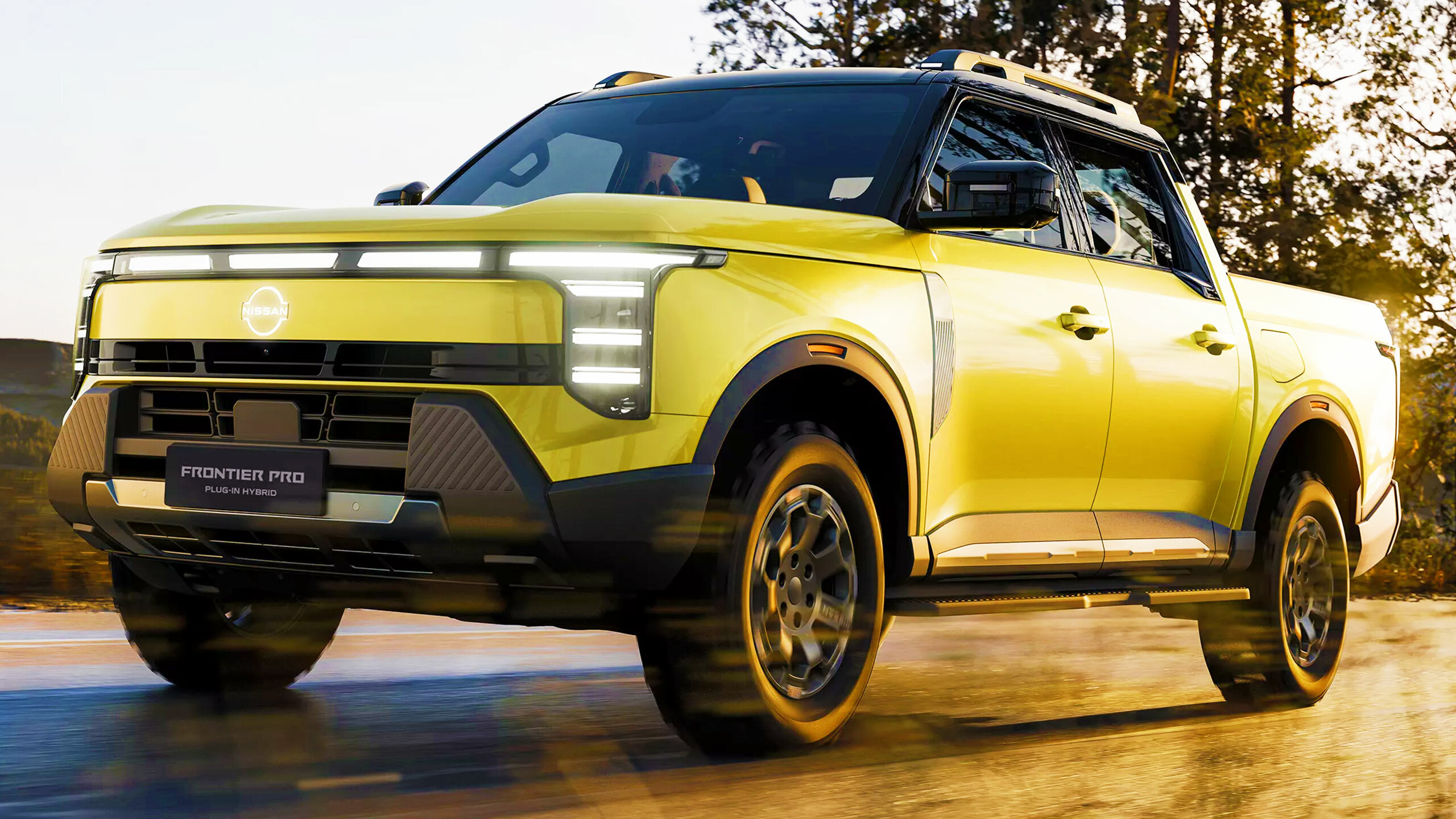

Nissan is quietly rewriting its playbook for Australia. While much of the global auto industry is racing toward fully electric vehicles, the Japanese carmaker is taking a more measured route, putting hybrids at the heart of its long-term strategy. At the center of this shift is a clear belief: hybrids, not EVs, will dominate the Australian market for years to come.
EV Plans Put on Hold
Nissan has hit pause on its next-generation Leaf for Australia, shelving the fully electric model indefinitely. The move signals a cautious approach toward EV adoption in a market where infrastructure and geography still pose challenges.
Even the Ariya, Nissan’s flagship electric SUV, hasn’t gained much traction locally. With just 18 units sold in 2026 so far, it’s far from a volume driver. But Nissan isn’t alarmed.
According to local leadership, the Ariya was never meant to chase mass-market numbers. Positioned as a premium offering, it sits in a highly competitive segment where aggressive pricing, especially from newer entrants, has made growth difficult.
Rather than chasing volume at any cost, Nissan appears focused on protecting brand value.
The Hybrid Bet
Here’s where things get interesting.
Nissan believes that up to 75 percent of its future sales in Australia will come from hybrid and e-Power models. That’s a bold call, especially at a time when EV adoption is often framed as inevitable.
But Nissan’s reasoning is grounded in local realities. Australia’s vast distances, patchy charging infrastructure, and varied driving conditions make hybrids a practical middle ground. They offer improved efficiency without the range anxiety that still comes with EVs.
This thinking is already shaping the lineup. The Qashqai range has moved entirely to hybrid power, while a new two-wheel-drive e-Power variant of the X-Trail is on the way. Larger models like the Patrol and Navara are also evolving, adopting cleaner and more efficient powertrains.
A Strategic Reset
This isn’t just about product; it’s a broader reset. Nissan’s “Future Back” strategy is focused on ensuring long-term relevance, not just short-term wins. That means making tough calls, including pulling models that don’t align with the new direction.
The Pathfinder and Juke have both exited the Australian market, largely because they lack hybrid options locally. In a lineup increasingly centered around electrified efficiency, traditional petrol-only models no longer fit the plan.
Playing the Long Game
What this really shows is a brand resisting the pressure to follow the crowd blindly. Nissan isn’t walking away from EVs entirely; it still sees them as necessary. But instead of going all-in too early, it’s choosing to bridge the gap with hybrids. It’s a pragmatic move, one that acknowledges both the promise of electrification and the realities of the present. And in a market like Australia, that balance might just be the smarter bet.

Comments are closed.