

207
New Delhi: The Bharatiya Janata Party’s second list of candidates for the 2026 West Bengal Assembly election, released on Thursday, underscores a calibrated but constrained electoral strategy shaped as much by organisational discipline as by a shortage of winnable faces on the ground.
With 144 candidates announced in the first list and 111 more in the second, the BJP has so far declared nominees for 255 of the 294 Assembly constituencies. The remaining seats are expected to be finalised shortly, with party sources indicating that in some constituencies the process is still underway to identify suitable candidates.
An assessment of the list, backed by inputs from within the party, indicates that the BJP has moved decisively away from its 2021 expansionist template and is now operating within tighter structural limits. The objective is not a statewide surge, but a controlled contest built seat by seat, with an emphasis on minimising risk.
At the core of this approach lies a problem party leaders privately acknowledge. A senior functionary overseeing a North Bengal cluster said the party’s primary constraint is the limited availability of candidates with proven electoral viability. “The issue is not ambition, it is bench strength. Wherever we find someone who can even put up a credible fight, we are giving tickets,” the leader said on Thursday.
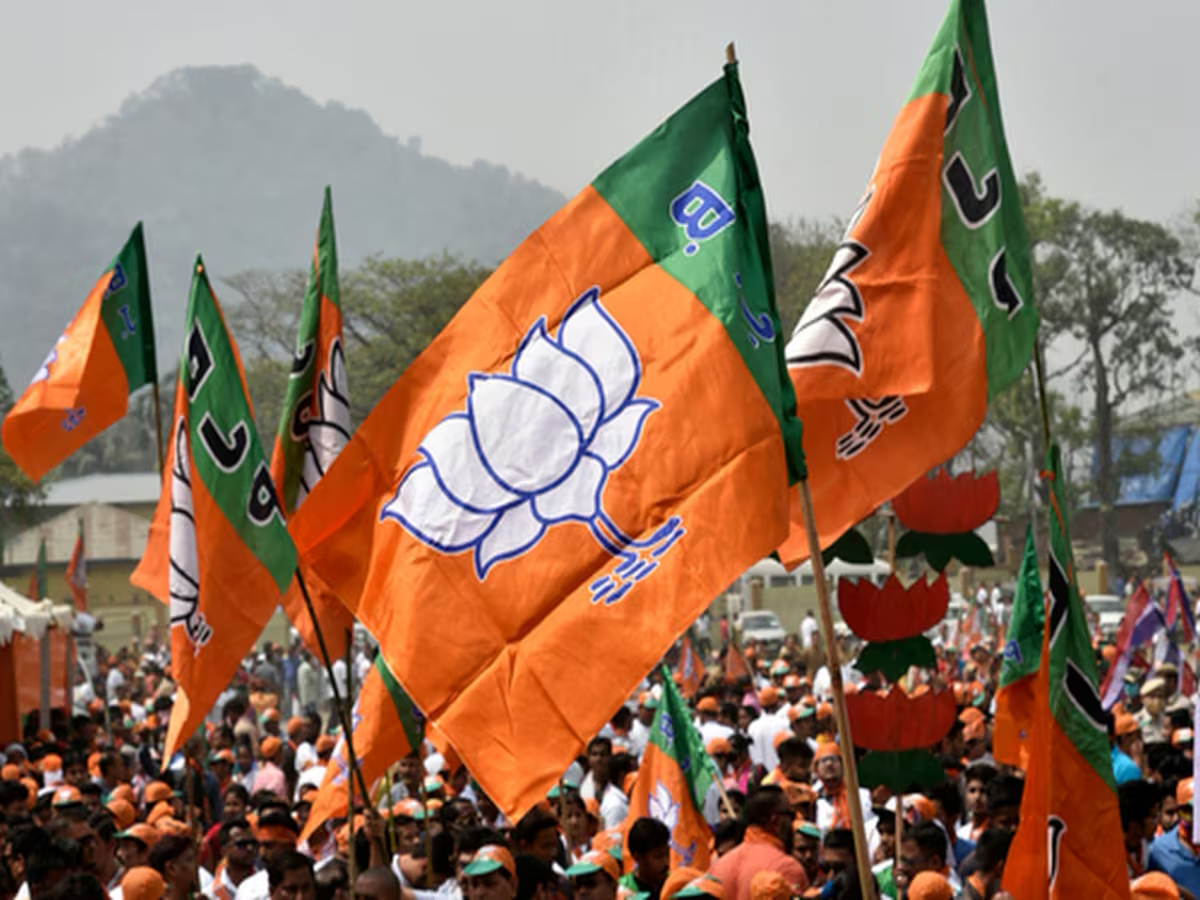
All leaders agreed that the BJP’s face, Narendra Modi, and its symbol, the Lotus, were the primary factors for its voters, indicating that individual candidates were secondary.
This admission explains the underlying logic of the list. Candidate selection is less about projecting dominance and more about ensuring that each seat has a contestant capable of sustaining a contest. In several constituencies, the threshold appears to have been lowered from “winnability” to “competitiveness”, a distinction that reflects the party’s current position in the state.
The composition of the list reinforces this reading. A large number of candidates are drawn from the organisational structure or long-time party networks, rather than from high-profile lateral entrants.
The shift suggests a deliberate attempt to prioritise reliability and booth-level presence over visibility. Party insiders describe it as a correction after the 2021 experience, when several prominent faces failed to convert recognition into votes.
The process of finalising candidates also reveals a high degree of centralisation. Every ticket in the list was cleared by the party’s general secretary and West Bengal in-charge, Sunil Bansal, effectively concentrating decision-making authority at the top. This has reduced the scope for local negotiation and factional influence.
The centralised approach is evident in the party’s refusal to accommodate internal demands that did not align with its selection criteria.
In one instance, a sitting minister had sought a ticket for his wife, a request that was declined. The decision is seen within the party as part of a broader effort to impose discipline and prevent the list from being shaped by individual patronage.
Geographically, the BJP’s strategy remains uneven.
North Bengal and select border districts continue to receive focused attention, with candidate selection aimed at consolidating existing support bases. In these regions, the party retains a relatively stronger organisational footing and sees a clearer path to competitive contests.
In contrast, the approach in South Bengal and the Kolkata metropolitan belt suggests limited expectations of immediate breakthroughs. While the party has fielded candidates across these areas, the selections do not indicate an aggressive attempt to overturn entrenched political structures. Instead, the emphasis is on maintaining presence and contesting selectively.
The North 24 Parganas belt stands out as a more actively targeted zone within this framework. Candidate choices here point to an effort to leverage localised issues and convert them into electoral gains. At the same time, the party has avoided major disruptions in socially sensitive constituencies, opting for continuity where existing support bases are at stake.
Taken together, the list signals a party that is attempting to operate within its constraints rather than override them.
“This is not a wave election. Winner and loser will be decided by who is able to manage the best” , party leader told this newspaper after the list was released.
The BJP’s strategy is built on incremental gains, disciplined candidate deployment and micro-level contestation. It is not premised on the expectation of a sweeping electoral wave.
This, in turn, leaves the broader balance of power largely unchanged at the outset. The ruling Trinamool Congress continues to benefit from pro incumbency for Chief Minister Mamata Banerjee, welfare networks and deeper organisational penetration across large parts of the state.
The BJP’s current approach does not directly displace these advantages. Instead, it seeks to carve out gains in pockets where contests can be made viable.
The election, therefore, is shaping up as a fragmented battle defined by constituency-level dynamics rather than a uniform statewide trend. The BJP’s list may reduce internal volatility and improve alignment with ground realities, but it also reflects the structural limitations the party faces in West Bengal.

Comments are closed.