
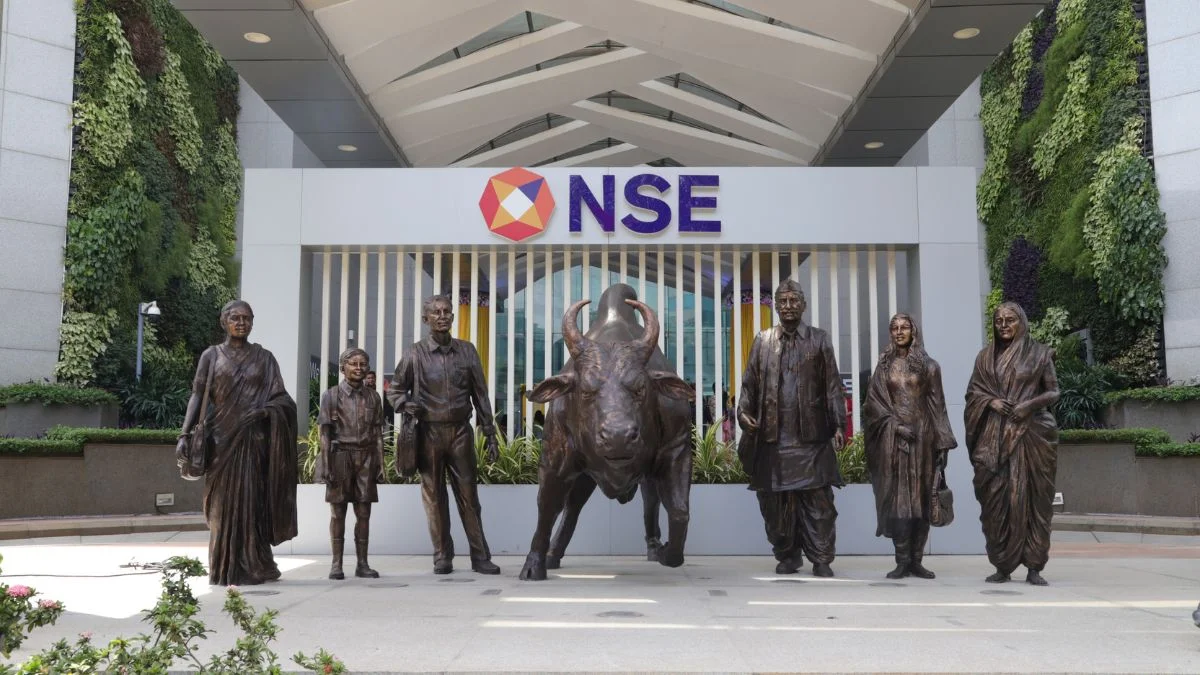
NSE gets MCA approval to reserve name for National Coal Exchange of India with Rs 100 crore capital and 60% stake

The National Stock Exchange of India received approval from the Ministry of Corporate Affairs to reserve the name National Coal Exchange of India Limited for its proposed coal trading platform, NSE announced on Monday, marking a key regulatory milestone in the exchange’s plans to create India’s first organised, transparent coal trading marketplace.
The name reservation follows NSE’s board approval in February 2026 to set up a wholly owned subsidiary for the coal exchange initiative. Three names had been proposed — National Coal Exchange, Bharat Coal Exchange, and India Coal Exchange — with the MCA approving the National Coal Exchange of India Limited name from among those options.
NSE has committed an initial capital infusion of up to Rs 100 crore for the venture and will hold a 60% stake in the entity. The remaining 40% will be offered to other shareholders, whose identities and the process for their induction have not yet been disclosed. The ownership structure suggests NSE is open to strategic partners — potentially including Coal India, power sector utilities, or financial institutions — taking minority positions in the exchange, which would both reduce NSE’s capital commitment and build the ecosystem of participants necessary for a coal exchange to achieve sufficient trading liquidity.
Ashishkumar Chauhan, MD and CEO of NSE, described the MCA name approval as a key milestone and said the exchange would proceed to apply for the requisite licence with the Coal Controller Organisation in accordance with applicable regulatory requirements. The Coal Controller Organisation, under the Ministry of Coal, is the statutory body that oversees coal production, distribution, pricing, and quality in India — and its licensing approval is the next critical regulatory gate the proposed exchange must clear before it can commence operations.
The strategic rationale for a dedicated coal exchange in India is compelling given the scale and inefficiency of the current coal procurement system. India is the world’s second largest coal producer and consumer, with Coal India supplying the bulk of domestic thermal coal to power plants, cement manufacturers, steel producers, and other industrial consumers through a combination of long-term fuel supply agreements and e-auction mechanisms. The e-auction system, while an improvement over pure administrative allocation, has been criticised for limited price discovery, opacity in allocation, and the inability of buyers to hedge their coal procurement costs in advance.
A market-driven coal trading platform with transparent price signals and standardised contracts — the model NSE is proposing — would address those inefficiencies by creating a secondary market where coal can be bought and sold at discovered prices, where buyers and sellers can hedge forward procurement and offtake, and where the price of coal reflects genuine supply and demand dynamics rather than administrative pricing decisions. The Coal India context is particularly relevant here — CIL’s recent disclosure that it is absorbing a 44% surge in ammonium nitrate costs and a 54% diesel price increase without passing them through to coal users illustrates exactly the kind of price signal distortion that an organised exchange could, over time, help correct.
The timing of the initiative also intersects with the Iran war energy crisis. With Brent crude above $102 per barrel, India’s energy security focus has intensified sharply, and coal — as the fuel that powers approximately 70% of India’s electricity generation — has become even more strategically important as a domestic energy alternative to imported oil and gas. An organised coal exchange that improves allocation efficiency and price discovery would strengthen India’s energy security architecture at a moment when its vulnerability to imported energy price shocks has never been more visible.
NSE is listed on NSE itself and is one of India’s two primary stock exchanges alongside BSE.
Disclaimer: This article is for informational purposes only and does not constitute investment advice. Business Upturn is not responsible for any decisions made based on this article.

Comments are closed.