
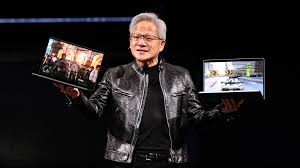

The Windows PC market may be about to enter a new phase. Reports say the first Windows computers powered by Nvidia chips will debut next week at major tech events in Taiwan and the United States.
The reported launch will take place around Computex in Taipei and Microsoft Build in San Francisco. According to Axios, Microsoft Surface devices, Dell systems, and possibly other Windows PCs will use Nvidia-designed processors.
If the reports prove correct, this will mark a major shift in the PC industry.
For years, Nvidia has played a key role in personal computers through graphics cards. Gamers, creators, and AI developers rely on Nvidia GPUs for visual performance and machine learning tasks. But the company has not served as the main processor supplier for Windows PCs.
That may now change.
The reported chips use Nvidia’s rumored N1 or N1X architecture. These processors are said to use Arm-based CPU designs and include Blackwell-generation graphics technology. They may also feature strong neural processing units, or NPUs, for AI workloads.
This matters because the chip would handle the full computing workload, not just graphics.
How Nvidia’s Reported Move Into PC Processors Could Reshape the Windows Ecosystem?
Intel and AMD have dominated Windows PC processors for decades. Most Windows laptops and desktops run on x86 chips from those two companies. Nvidia’s reported move into full PC processors creates a new competitive challenge.
The timing also fits a larger trend in computing.
The industry is moving toward AI PCs. Device makers want computers that can run AI tools directly on the machine instead of sending every task to the cloud. Local AI processing can improve speed, lower latency, and support privacy-sensitive tasks.
Microsoft has pushed this direction through its Windows-on-Arm strategy. The company wants more Windows devices that combine long battery life, efficient performance, and built-in AI features.
Nvidia’s reported processors could strengthen that effort.
The use of Arm technology is also important. Arm-based processors have gained attention after Apple’s success with its M-series chips. Apple showed that Arm systems can deliver strong performance and power efficiency in consumer laptops.
Windows hardware makers now want similar results.
Reports also suggest Microsoft will introduce new software that allows AI agents to perform tasks locally on Windows computers. These tools could automate actions on the device without constant internet access or cloud dependence.
That software announcement could work hand in hand with Nvidia’s hardware.
The launch hints from major companies have added to the speculation.
Nvidia and Microsoft’s Strategic Push Into Arm-Powered Computing
On May 30, official accounts from Windows, Nvidia, and Arm posted teasers on X with the phrase “A new era of PC.” The posts included coordinates pointing to Taipei, home of Computex. Microsoft Windows chief Pavan Davuluri also posted a message aimed at developers, saying that something new would arrive at Build next week.
Still, many details remain unknown.
Neither Nvidia nor Microsoft has confirmed the reported products. Both companies declined to comment on the reports.
Important questions remain unanswered. Pricing, battery life, software compatibility, and real-world performance will shape how these systems compete in the market.
Windows-on-Arm devices have improved in recent years, but software support has remained a challenge. Many apps still perform best on traditional x86 hardware. Nvidia and Microsoft will need to show that these new systems can handle everyday workloads, gaming, creative software, and enterprise applications without compromise.
The stakes are high.
Nvidia already dominates AI accelerators in data centers. Expanding into PC processors would give the company a new position in consumer computing. For Microsoft, stronger Arm hardware options could reduce dependence on traditional chip vendors and broaden its AI PC strategy.
The move also raises pressure on Intel and AMD, which are racing to strengthen their own AI-enabled processors.
If the launch happens as reported, the first Nvidia-powered Windows PCs will not just be new laptops. They will signal a broader contest over the future shape of personal computing.
The next week may show whether Nvidia can bring its AI strength from the server room to the desktop.

Comments are closed.