
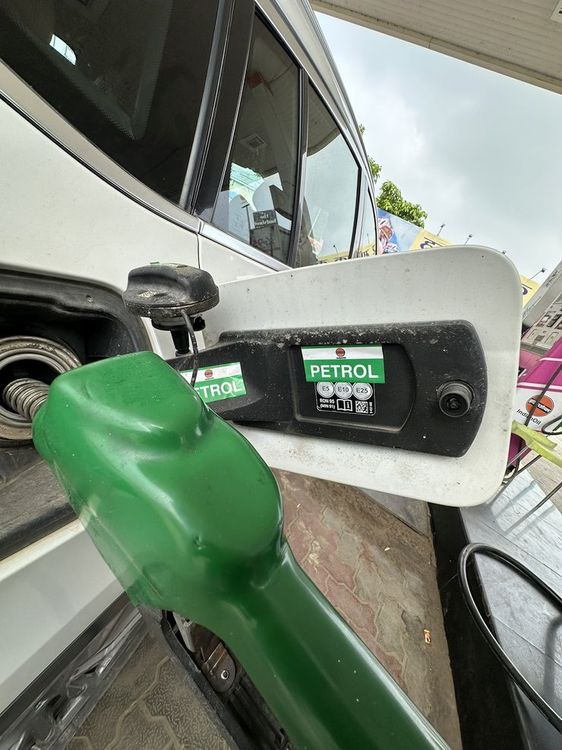

Ever since the Government of India mandated 20 percent ethanol blending, owners of older petrol vehicles have been complaining about a significant drop in fuel efficiency. Now, recently, a report has been published which has highlighted that 1 out of every 2 petrol car owners who bought their vehicles in 2022 and before have reported that the mileage of their vehicle has dropped by 20 percent. Many owners also highlighted that there has been unusual wear and tear of parts as well.
This particular survey received 50,000 responses from people belonging to 301 districts across India. When the question, “Whether vehicle fuel efficiency reduced since early 2025 after E20 became default?” was asked, 24,710 respondents highlighted that they have seen a significant drop in fuel efficiency.
As per the findings of the survey, 25% reported a mileage drop of more than 20%, and 7% reported a drop of 15–20%. Meanwhile, 13% of the respondents reported a drop of 10–15%, along with 7% reporting a marginal dip of 1–2%. Additionally, 27% reported that there has been no impact, and the remaining 21% gave no clear response. In conclusion, 50 percent of respondents believe that the mileage of their vehicles has dropped due to E20 fuel.
How can E20 lower mileage?
For the people who want the technical answer to this question, the biggest reason is energy density. Pure petrol contains about 34–35 MJ per litre; meanwhile, ethanol contains about 21–24 MJ per litre. This means that ethanol has roughly 30 to 35 percent less energy per litre compared to petrol.
So, when 20 percent ethanol is blended into petrol, the final fuel has less total energy per litre, which means it makes less energy per litre, and the engine needs to burn more fuel to produce the same power.
Now, coming to the responses of drop in fuel efficiency reported by the respondents of older cars, the engines of cars made in 2022 and before were not tuned for E20. Most of the vehicles from this time were calibrated for E5 or E10 fuel. So, running slightly richer fuel mixtures causes issues with ignition timing inefficiently, which increases the drop in fuel efficiency.
Unusual wear and tear also reported
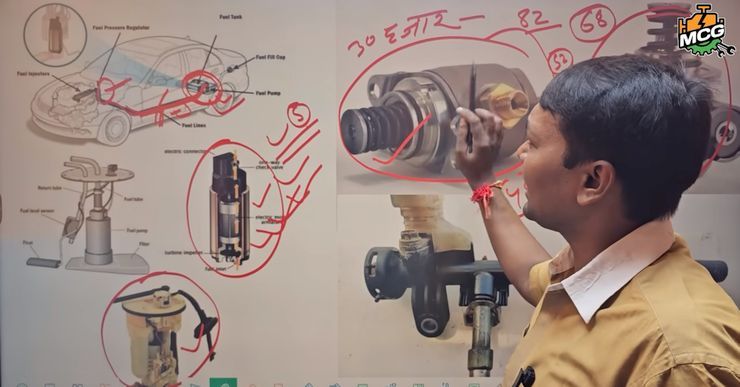
In addition to the question over fuel efficiency, the survey also raised another important question. It asked, “Whether unusual wear and tear or repair needs were noticed since early 2025?” To this, 25,686 respondents reported issues including engine components such as fuel lines, fuel tanks, carburettors, fuel pumps, injectors, seals, gaskets, and other related components.
Around 29 percent of the respondents reported that they have definitely experienced unusual wear and tear. Meanwhile, 60% said nothing unusual has been noted by them so far. Lastly, 12 percent could not give any clear responses. The summary of this topic is that nearly 3 in 10 pre-2022 petrol vehicle owners have confirmed higher-than-usual repair needs in the last nine months.
Apart from these answers, a number of other issues have also been highlighted. Many respondents reported that they have been experiencing increased engine noise and higher vibration levels. Also, there have been starting troubles, and it has become difficult to access lower-ethanol fuels such as E0, E5, and E10.
Coming to the main reason behind wear and tear, for those who may not be aware, ethanol absorbs moisture as it is hygroscopic in nature. Due to this, it corrodes metal components, affects rubber and plastic parts, and as vehicles are not designed for higher ethanol blends, owners may experience fuel system degradation over time.
Source

Comments are closed.