
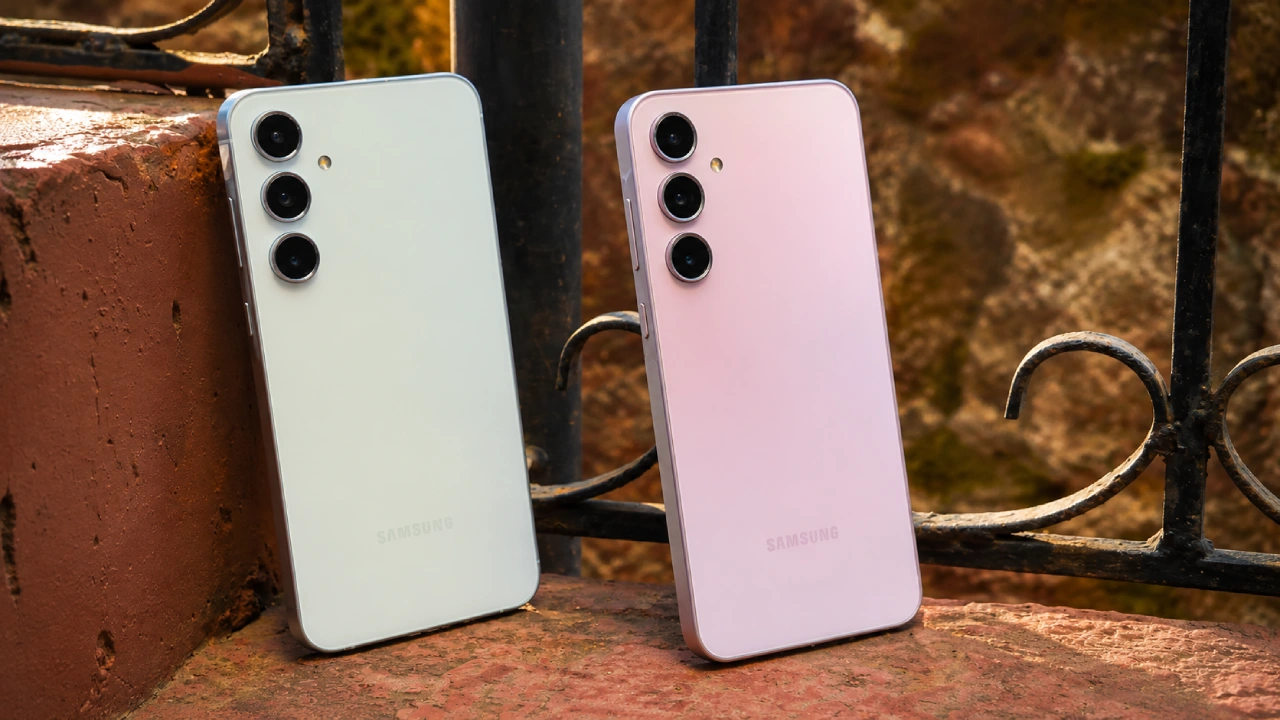

One UI 9 Privacy Display may receive a significant usability improvement, according to a new leak from Ice Universe. Samsung is reportedly testing independent privacy protection for Picture-in-Picture windows, allowing users to multitask more freely.
If you think about it, that change could help usability quite a lot. Sensitive content stays shielded, but the user can still use the rest of the interface normally. Even though Samsung hasn’t confirmed it officially, the leak implies One UI 9 is getting ongoing tweaks that feel more practical than just cosmetic.
One UI 9 could bring smarter Privacy Display behavior
As Ice Universe claims, the way Privacy Display works in One UI 9 shifts when users turn on Picture-in-Picture mode. For instance, if Privacy Display is enabled for a specific app like YouTube, and then you shrink the video into a PiP window, while you head back to the home screen, the privacy protection reportedly stays active only on that floating PiP view.
In that scenario, the home screen and other apps remain unprotected, so you can keep tapping around as usual. That’s a meaningful improvement, compared to earlier versions, where the Privacy Display likely covered the whole panel during PiP usage.
Improved flexibility for multitasking
The reported change could make multitasking quite a bit more convenient, like really smoother in day-to-day use. In earlier versions, if users wanted a PiP video to stay private, they often noticed that the entire display was pushed under Privacy Display, so navigating between apps felt less flexible, kinda annoying. The leaked One UI 9 enhancement seems to fix that snag by separating the protected PiP content from the rest of the interface.
So users should be able to browse applications, reply to messages, or even reach the home screen, while keeping only the floating video protected. That kind of behavior would likely give a more balanced blend of privacy and usability, without forcing the whole screen into a restricted mode.
Privacy without affecting the entire interface
Privacy Display is meant to block sensitive content from being easily seen by people nearby. Instead of locking everything at once, the new implementation, as rumored, would reportedly target only the protected content.
This would be especially handy when someone is watching private videos, sitting through confidential meetings, or viewing sensitive information in Picture-in-Picture mode while still handling other tasks in the background. Overall, the update suggests Samsung is aiming to make privacy features less intrusive during everyday use.
Still unofficial
As with any pre-release software leak, the reported feature should be held with caution, kind of like don’t get your hopes all the way up. The info comes from Ice Universe, a tipster who is known for sharing Samsung-related leaks and has a pretty strong track record.
Still, Samsung has not officially announced independent Privacy Display support for Picture-in-Picture mode, and that part really matters. Software features often shuffle around during development, so the final One UI 9 release could add a few more refinements or changes before it actually lands with users.
Looking ahead
This Privacy Display enhancement, if it is real, suggests Samsung is still leaning into useful upgrades for daily use instead of just chasing big attention-grabbing features. If Samsung is reportedly allowing Picture-in-Picture windows to stay protected on their own, One UI 9 could end up giving a more flexible tradeoff between privacy and multitasking.
Even so, official confirmation is still pending. The leak essentially points to Samsung adjusting one of its current privacy tools so it better fits how people use modern smartphones. More details are expected to appear as One UI 9 development continues and as Samsung starts teasing extra features ahead of its official rollout.

Comments are closed.