


Highlights
- AI is rapidly transforming open-source tools, making them smarter and more competitive than paid software.
- Creative, productivity, and development platforms now integrate automation and machine learning.
- Open-source solutions offer strong privacy, cost savings, and feature-rich alternatives to commercial suites.
- AI-enhanced Linux, security tools, and collaboration platforms are increasingly replacing proprietary systems..
Open source software has always promised freedom, transparency, and community-driven improvement. In 2025, the open-source ecosystem is experiencing a significant change. With artificial intelligence, automation, and collaborative tools shaping modern workflows, open-source solutions are quickly closing the gap with, and sometimes outperforming, their paid counterparts. This includes everything from creative tools and office suites to cybersecurity and data analysis platforms. Innovation in this field is speeding up. This article looks at emerging open-source alternatives to major commercial software. It explains how AI-driven advancements are making them more powerful, user-friendly, and accessible for individuals, businesses, and developers.
The Rise of AI-Enhanced Open Source Tools
Traditionally, open-source tools have been valued for their cost-effectiveness and transparency, but they have often been criticized for having weaker interfaces or fewer integrations than commercial products. Today, AI and automation are bridging this gap. Modern open-source projects are increasingly incorporating machine learning models, automated workflows, and intelligent recommendations, features that were once exclusive to premium software.
AI-assisted coding, predictive features, customized UI, real-time translation, automated document formatting, and intelligent system monitoring are becoming standard. This shift gives open-source tools an advantage and increases their appeal to users seeking both affordability and advanced functionality.
Office & Productivity: Open Source Getting Smarter
LibreOffice and OnlyOffice vs. Microsoft 365
LibreOffice and OnlyOffice are the top open-source alternatives to Microsoft 365, and AI is enhancing their capabilities. LibreOffice now offers AI-assisted writing extensions, automated formatting plugins, and improved compatibility for DOCX and XLSX files. Meanwhile, OnlyOffice is adding AI-based collaboration suggestions, grammar tools, and real-time document co-editing features powered by open-source language models.
These upgrades bring them closer to Microsoft 365’s productivity automation features, providing a smoother document creation experience for students, professionals, and organizations.
Nextcloud vs. Google Workspace
Nextcloud has emerged as a strong open-source alternative to Google Workspace, particularly after adding AI-powered file search, automated backup routines, smart categorization, and secure document scanning. With Nextcloud Hub, users enjoy self-hosted file storage, collaborative editing, email, calendar, and task management—all while maintaining control. It offers better privacy and avoids vendor lock-in, both of which are important for institutions handling sensitive data.
Creative Software: AI Levels the Playing Field
GIMP, Krita, and Inkscape vs. Adobe Creative Cloud
For years, Adobe has dominated the creative market with products like Photoshop, Illustrator, and After Effects. Today, open-source alternatives are entering a new era of capability thanks to AI plugins and automation.
GIMP now offers AI-driven image upscaling, background removal, and content-aware fills through community-developed extensions.
Krita, popular among digital artists, has integrated intelligent brush prediction, stabilizers, and AI-based colorization.
Inkscape provides vector automation tools, path simplification using machine learning models, and clever SVG export optimizations.
Together, these tools give students, designers, illustrators, and small studios powerful, free alternatives that do not require expensive subscriptions.
Blender vs. Autodesk Maya & Adobe Premiere
Blender is one of the most remarkable examples of open-source innovation. Already a leader in 3D animation and modeling, Blender’s quick adoption of AI has driven it even further ahead.

Features include:
- AI-assisted rigging and auto-weight painting
- Automated rendering optimization
- Machine learning-based noise reduction in Cycles
- Improved motion tracking using computer vision
Open-source video editors like Kdenlive and Olive Video Editor are also adopting AI-based stabilization, speech-to-text features, and color grading suggestions. These advancements make open-source creative pipelines strong alternatives to Adobe Premiere, After Effects, and Autodesk Maya.
Software Development: AI Supercharges Open Source
Eclipse, VS Code OSS, and JetBrains Alternatives
Developers gain a lot from open-source code editors improved by AI.
VS Code OSS (the open-source version of Visual Studio Code) includes community-driven AI coding assistants and language model-based autocompletion engines.
Eclipse and Apache NetBeans use machine learning for debugging, code suggestions, and automated refactoring tools.
VSCodium offers privacy-friendly AI options, appealing to programmers who prefer transparent, offline AI coding assistants.
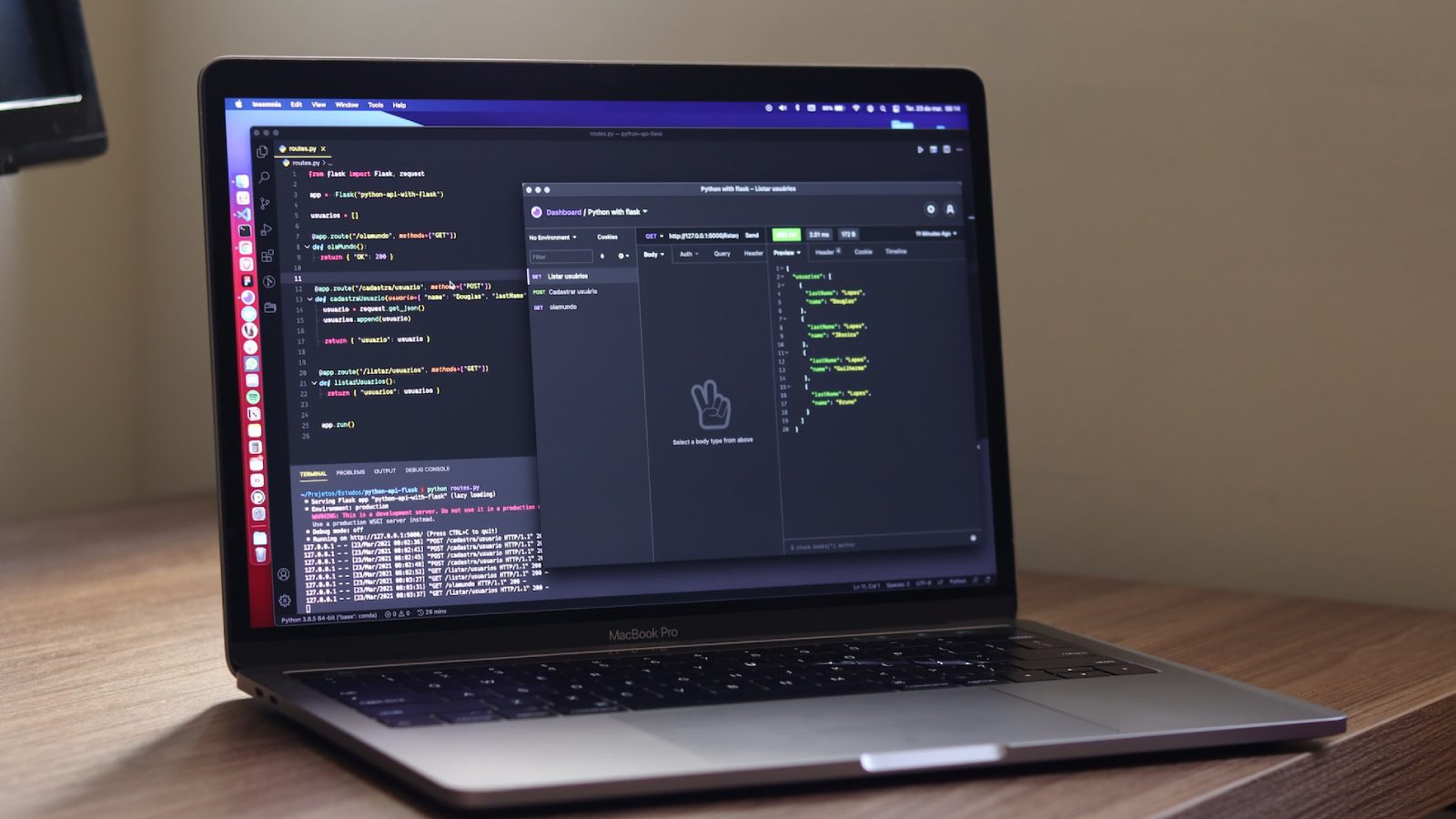
These tools compete with paid JetBrains IDEs, offering smart features without the cost and support from active developer communities.
GitLab CE vs. GitHub Enterprise
GitLab Community Edition has developed into a powerful DevOps platform, with AI handling much of the automation:
- CI/CD pipeline optimization
- Merge request recommendations
- Security scanning using machine learning
Organizations seeking private, self-hosted alternatives to GitHub Enterprise are increasingly choosing GitLab CE for its independence and automation-rich environment.
Cybersecurity and System Administration: Automation at Its Core
Security Tools that Compete with Paid Suites
Open-source cybersecurity tools have always been effective, but AI is making them even stronger:
OpenSnitch, a firewall alternative, now uses machine learning for anomaly detection.
Suricata and Snort incorporate pattern-recognition models for smarter intrusion detection.

Wazuh, an alternative to paid SIEM tools, uses automation to classify threats and generate incident responses.
These tools compete with enterprise-grade commercial software while remaining fully auditable.
Linux Ecosystems vs. Paid Operating Systems
Linux distributions like Ubuntu, Fedora, and Pop!_OS are quickly adopting AI-driven package management, auto-tuning, hardware optimization, and system repair. Compared to macOS or Windows, Linux offers deeper customization and full transparency—now enhanced by smart automation that simplifies setup for everyday users.
AI-Driven Knowledge Management & Collaboration Tools
OpenProject vs. Asana & Monday.com
OpenProject has become more user-friendly thanks to automation in task assignment, project scheduling, and performance analytics. AI helps teams predict workloads, track progress, and plan sprints—features that are typically found only in premium tools.
Discourse, Mattermost, and Rocket.Chat
As alternatives to Slack or Microsoft Teams, these platforms now use AI for:
- Automated moderation
- Smart search
- Translation
- Summaries of long threads
This leads to a collaboration experience that competes directly with paid SaaS communication tools.
Why Open Source Is Becoming a Viable Replacement
Open-source tools are no longer seen as “weaker substitutes.” They are becoming competitive ecosystems driven by transparency, innovation, and global collaboration. As AI models become more accessible, it’s easier for community-led projects to integrate innovative features. This democratization of technology shifts the advantage to open-source initiatives, which evolve rapidly, avoid subscription traps, and prioritize user privacy.
For individuals and businesses seeking flexibility, cost savings, and long-term reliability, open-source software enhanced by AI provides a sustainable option moving forward.

Comments are closed.