
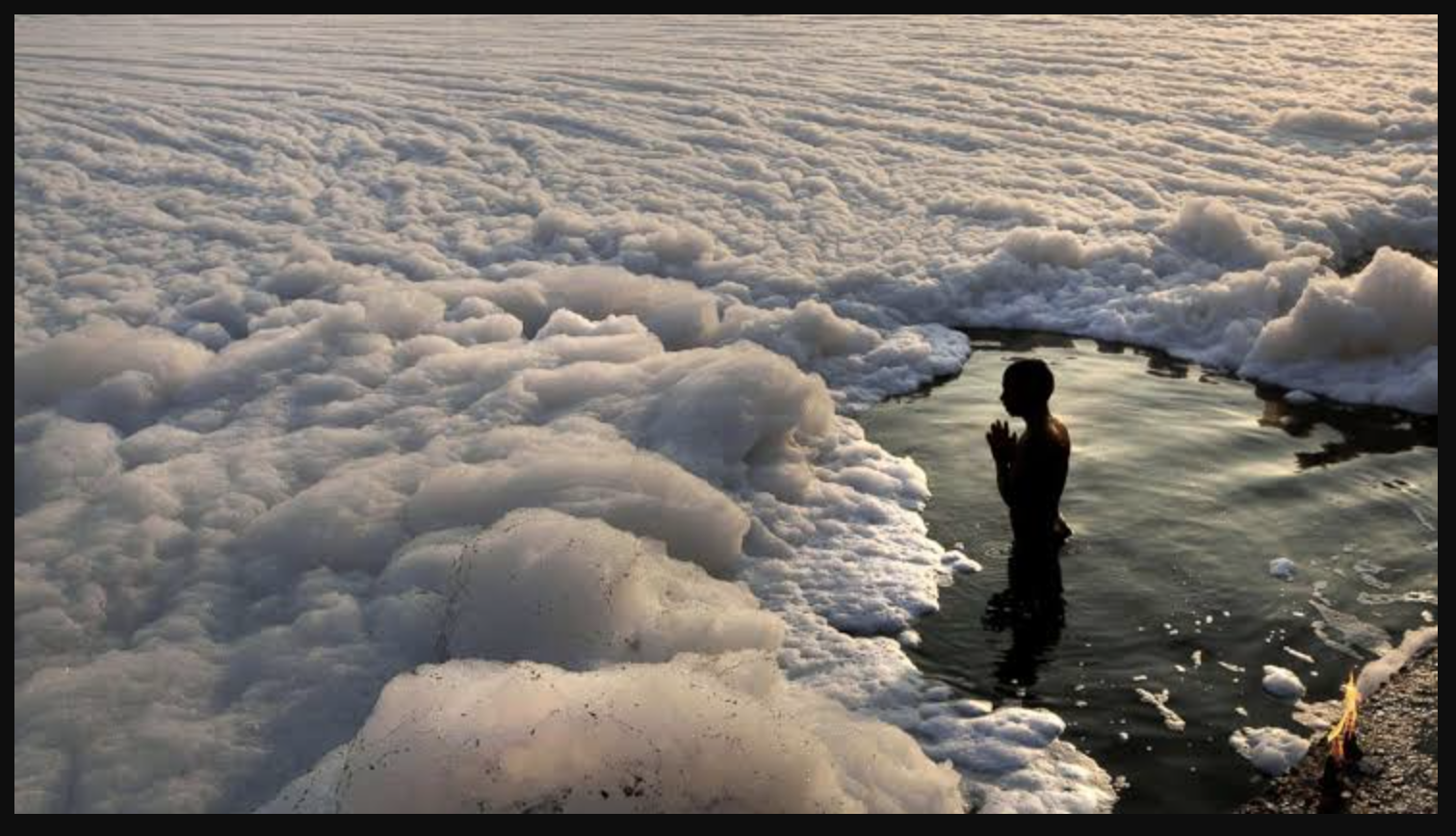

The Yamuna River flowing through Delhi remains in a critical ecological condition, with recent water quality data showing that several stretches have become biologically dead. According to the latest Delhi Pollution Control Committee (DPCC) reports, dissolved oxygen levels have dropped to zero in multiple locations, while fecal contamination continues to remain alarmingly high despite ongoing river rejuvenation efforts.
The findings underline the enormous challenge facing authorities as they work to restore one of India’s most polluted rivers.
River Loses Ability To Support Aquatic Life
The DPCC’s comparison of water quality data from May 2025 and May 2026 reveals that the Yamuna deteriorates rapidly after entering Delhi. While the river enters the city at Palla with relatively healthy water quality, pollution increases dramatically downstream.
At several locations, including ISBT Bridge, ITO Bridge, Nizamuddin Bridge, Okhla Barrage and Asgarpur, dissolved oxygen levels were recorded at zero. Without dissolved oxygen, fish and most aquatic organisms cannot survive, leading experts to describe these stretches as biologically dead.
Fecal Contamination Remains Alarmingly High
Another major concern is the continued presence of extremely high levels of fecal coliform bacteria, which indicate untreated sewage entering the river. The desirable limit is 500 MPN per 100 ml, while the permissible limit is 2,500 MPN.
However, monitoring stations downstream reported contamination levels many times above these standards. Some locations recorded bacteria counts exceeding one lakh MPN, while Asgarpur registered approximately 3.3 lakh MPN, highlighting the severe impact of untreated wastewater entering the Yamuna.
Untreated Sewage Continues To Be The Biggest Challenge
Environmental experts attribute the worsening pollution primarily to untreated sewage flowing into the river through numerous drains. Large parts of Delhi still lack complete sewer connectivity, allowing wastewater from residential colonies and other settlements to enter the Yamuna without adequate treatment.
Experts also point out that reduced river flow limits the natural dilution of pollutants, making contamination even more concentrated during lean periods.
Government Pushes River Restoration Measures
The Delhi government has announced multiple initiatives aimed at rejuvenating the Yamuna, including modernising sewage treatment plants, expanding sewer infrastructure and intercepting untreated drains before they discharge into the river.
Authorities have also launched public participation campaigns to encourage citizens to support river conservation efforts. However, the latest monitoring data indicates that these measures have yet to produce significant improvements in overall water quality.
Long-Term Solutions Needed
Environmental specialists believe that restoring the Yamuna will require sustained investment in sewage treatment infrastructure, better wastewater management and continuous monitoring of industrial and domestic pollution sources. They emphasise that cleaning the river will require coordinated action across multiple agencies and long-term policy implementation rather than isolated clean-up drives.
Until untreated sewage is effectively prevented from entering the river, experts warn that large sections of the Yamuna will continue to remain ecologically stressed and unable to sustain aquatic life.
Summary
The latest DPCC water quality data shows that large stretches of Delhi’s Yamuna remain biologically dead, with dissolved oxygen levels dropping to zero and fecal contamination remaining dangerously high. Experts attribute the crisis to untreated sewage and inadequate wastewater management, while authorities continue efforts to restore the river through improved sewage treatment and infrastructure upgrades.
Image Source

Comments are closed.