

A 17-year-old boy working at a livestock farm in Karachi has died after contracting the Congo virus, marking the first confirmed fatality of the disease this year. The patient was admitted with a high fever and later tested positive for Crimean-Congo Haemorrhagic Fever (CCHF).
Published Date – 26 April 2026, 12:45 AM
Karachi: A 17-year-old boy died on Thursday at a hospital in Pakistan’s Karachi city after contracting the Congo virus, becoming the first confirmed victim of the disease this year, health authorities said.
“The boy died today. He was brought to the hospital on Monday with high fever,” Sindh Infectious Diseases Hospital and Research Centre Director Dr Abdul Wahid Rajput said.
“His blood samples were taken and sent to Aga Khan University Hospital for testing. He was transferred to the Infectious Diseases Hospital on Tuesday for further treatment after the presence of the Congo virus was confirmed in the patient,” he added.
The boy, who worked at a livestock farm, showed symptoms of Crimean-Congo Haemorrhagic Fever (CCHF) and was moved to an isolation unit, Rajput said.
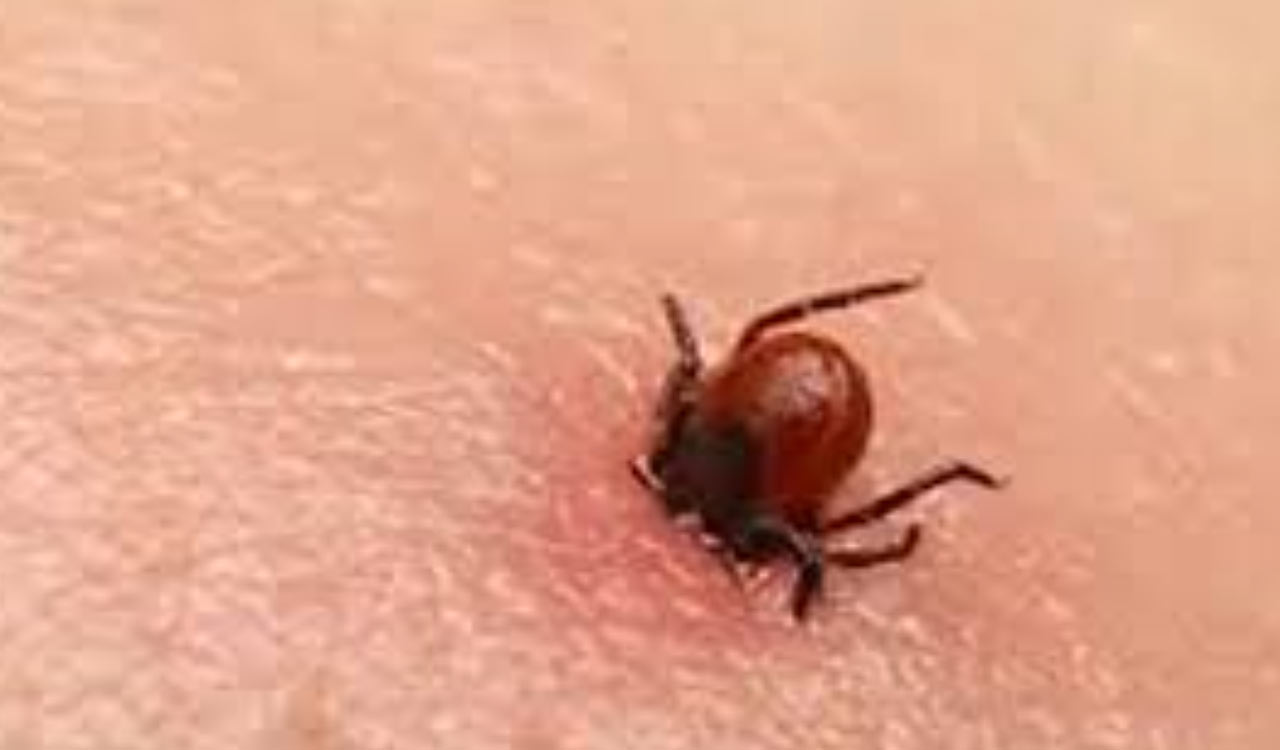
The Congo virus is a tick-borne viral disease that can cause severe hemorrhagic fever in humans.
The virus is primarily transmitted through bites from infected ticks, particularly those of the Hyalomma species, or through direct contact with blood or tissues from infected animals.
Human-to-human transmission can also occur through exposure to infected bodily fluids, making the virus particularly dangerous in healthcare settings.
Due to the widespread presence of its tick vectors, CCHF has the potential to affect a large geographic area.
The death, the first recorded case of a fatality due to the Congo Virus, has caused concern among health officials in Karachi with the festival of Eid al-Azha due next month, a health department official said.
The official said protocols are already in place for sellers of sacrificial animals, who have begun setting up big livestock markets in and around Karachi. Most of the animals are bred in villages and rural areas, the official said.
The official said the animal markets were directed to ensure health standards, test animals, and assess transmission risks in humans.

Comments are closed.