
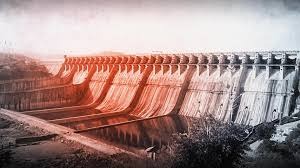
Pakistan’s thirst and India’s progress, water of Ravi river has been stopped, Shahpur Kandi Dam will change the fate of Jammu-Kashmir and Punjab. – ..

News India Live, Digital Desk: India has taken a big step by exercising its rights under the Indus Waters Treaty. With the completion of the construction work of ‘Shahpur Kandi’ dam project located on the border of Punjab and Jammu and Kashmir, the water of Ravi River, which till now was flowing to Pakistan, has been completely stopped.
45 years long wait is over
The foundation of this project was laid in 1979, but it remained stuck for decades due to mutual disputes and technical reasons. Under the leadership of Prime Minister Narendra Modi, this project was completed rapidly by giving it the status of ‘National Project’. Now Ravi river water will be stored and used for generating electricity and irrigation.
These areas will benefit directly
The water released from Shahpur Kandi Dam will prove to be a boon especially for Kathua and Samba districts of Jammu and Kashmir.
Irrigation: About 32,000 hectares of land in Jammu and Kashmir will get water for irrigation.
Electricity: This project will generate 206 MW electricity, which will benefit Punjab and surrounding states.
Agricultural Revolution: The area which till now was suffering from drought, will now be able to irrigate crops throughout the year.
Indus Water Treaty and India’s rights
According to the Indus Water Treaty of 1960, the three eastern rivers— Ravi, Beas and Sutlej —India has full rights over its waters. Whereas the water of western rivers (Indus, Jhelum and Chenab) goes to Pakistan. Till now, due to absence of Shahpur Kandi Dam, a lot of Ravi water used to go to Pakistan, but now India has secured its rightful water.
Its impact on Pakistan
Due to stagnation of Ravi water, water shortage may increase in some areas of Punjab province of Pakistan. This step of India is also considered very important from strategic and strategic point of view, because it strengthens India’s sovereign rights over ‘water’.
key figures:
Dam Height: 55.5 metres.
Irrigation Capacity: 1,150 cusecs of water will now be diverted towards J&K.
Cost: This project costing crores of rupees is a milestone for India’s water security.

Comments are closed.